BIM: It’s More Than Just Fancy 3D Models
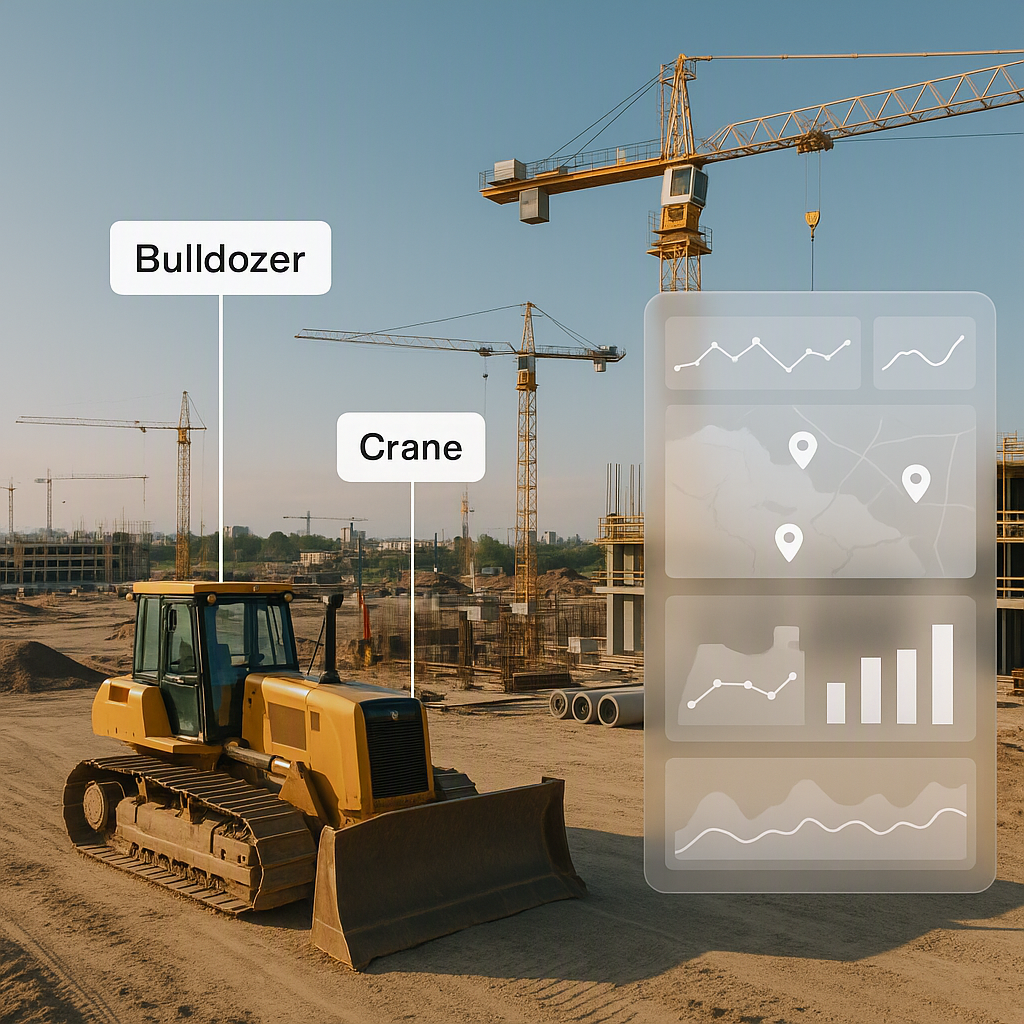
When Building Information Modeling (BIM) started gaining traction in construction, many viewed it as a tool primarily for creating detailed 3D models. While the visual aspect is impressive, BIM’s true power lies in its ability to manage data and provide insights that help prevent margin erosion.
Why BIM Matters for Margin Protection
Construction projects often face challenges like procurement overruns, scope creep, and disconnected workflows. These issues can lead to negative margins and financial losses. BIM addresses these challenges by integrating design, cost, and schedule data, enabling contractors to identify and mitigate risks early in the project lifecycle.
Key Benefits of BIM for Margin Protection
- Early Warning System: BIM links design elements to cost and schedule data. When procurement costs for a Bill of Quantities (BOQ) item exceed estimates, the margin impact can be flagged early, allowing for corrective action.
- Variance Tracking: By feeding accurate cost data into tools that analyze BOQ rates, contractors can compare quoted, billing, scheduled, budgeted, and actual rates for every item. This helps identify discrepancies and take action before they escalate.
- Scope Control: BIM visualizes contract BOQs, reducing ambiguity and minimizing scope creep. This ensures that all parties have a clear understanding of what’s included in the project.
Challenges and Considerations
While BIM offers significant benefits, it’s not a one-size-fits-all solution. Implementing BIM requires upfront investment, training, and integration with other systems like ERP tools. Smaller contractors managing straightforward projects may find simpler tools more cost-effective.
Practical Steps for Contractors
- Regular Margin Reviews: Use tools that integrate BIM data to generate BOQ margin reports on a weekly basis. This helps flag negative-margin items early.
- Procurement Planning: Visualize quantities directly in the BIM model before sending RFQs. This reduces over-ordering and ensures accurate comparisons in vendor bids.
- Invest in Training: BIM isn’t always intuitive, so proper training is essential to maximize its benefits.
- Ensure Vendor Collaboration: Work with vendors to ensure they provide accurate data that aligns with your BIM workflows.
- Test Integrations: Not all BIM tools integrate seamlessly with ERP systems. Verify compatibility before committing to a solution.
Common Mistakes to Avoid
- Skipping Margin Reviews: BIM’s data is only useful if reviewed regularly. Make margin reviews a consistent practice.
- Underestimating Training Needs: BIM requires proper training to unlock its full potential.
- Ignoring Vendor Integration: Ensure vendors understand your data requirements to maximize BIM’s procurement benefits.
- Overlooking Compatibility: Test BIM tool integrations with your ERP system before implementation.
- Assuming BIM Will Fix Everything: BIM is a powerful tool, but it must be paired with disciplined workflows for maximum impact.
By leveraging BIM effectively, contractors can protect margins, reduce risks, and improve project outcomes. While the upfront investment may seem daunting, the long-term benefits often outweigh the costs for projects with significant complexity.