Why Asset Visibility Is Crucial for Contractor Margins
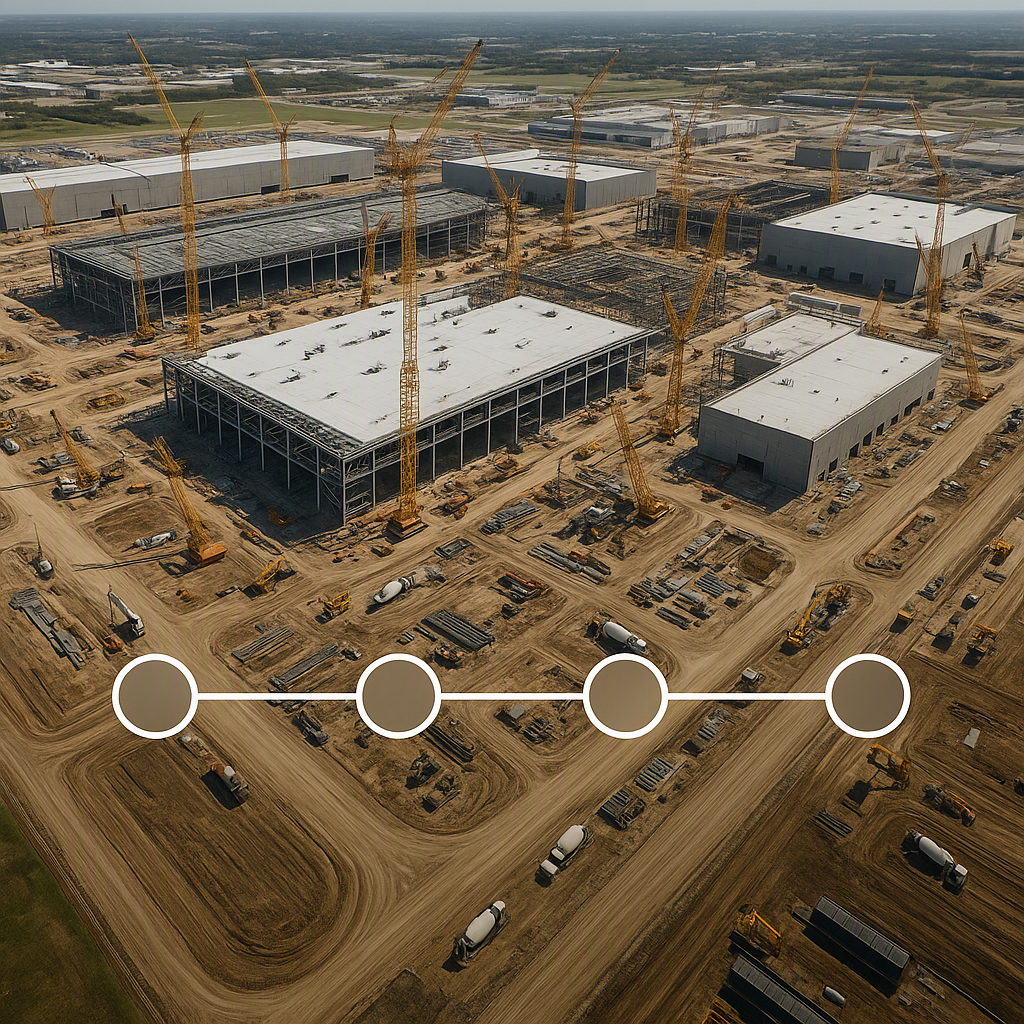
Here’s a hard truth: many contractors don’t know where their equipment is, how it’s being used, or what it’s really costing them. This lack of visibility can lead to significant margin losses. You may think you’re running a tight ship, but hidden costs like idle machinery, unplanned repairs, or missing tools can quickly add up.
According to a 2023 Construction Industry Research, equipment downtime alone costs contractors billions annually. This highlights the importance of having systems in place to track and manage assets effectively.
The Three Ways Poor Asset Tracking Eats Your Margins
1. Idle Equipment Costs You More Than You Think
Idle equipment still incurs costs—storage, insurance, depreciation—and can lead to missed opportunities. Without proper allocation tracking, you may end up renting additional machinery unnecessarily or fail to utilize owned equipment efficiently.
Illustrative example — A contractor managing multiple sites could reallocate idle equipment from one project to another, avoiding unnecessary rental costs and maximizing utilization.
2. Unplanned Maintenance Blows Your Budget
Emergency repairs are expensive and disrupt project schedules. Preventive maintenance is more cost-effective and ensures longer asset lifespans. However, planning maintenance requires accurate tracking of service history and equipment location.
Illustrative example — Tracking maintenance schedules for excavators can help avoid costly breakdowns during critical project phases, saving both time and money.
3. Inaccurate Cost Allocation Skews Your Numbers
When equipment costs aren’t properly tracked and allocated, it’s difficult to determine project profitability. Misallocated costs can lead to underbidding on future projects or failing to identify loss-making operations.
Illustrative example — Accurately allocating fuel costs across multiple projects ensures that each site reflects its true expenses, enabling better financial decision-making.
Why Real-Time Asset Visibility Is Non-Negotiable
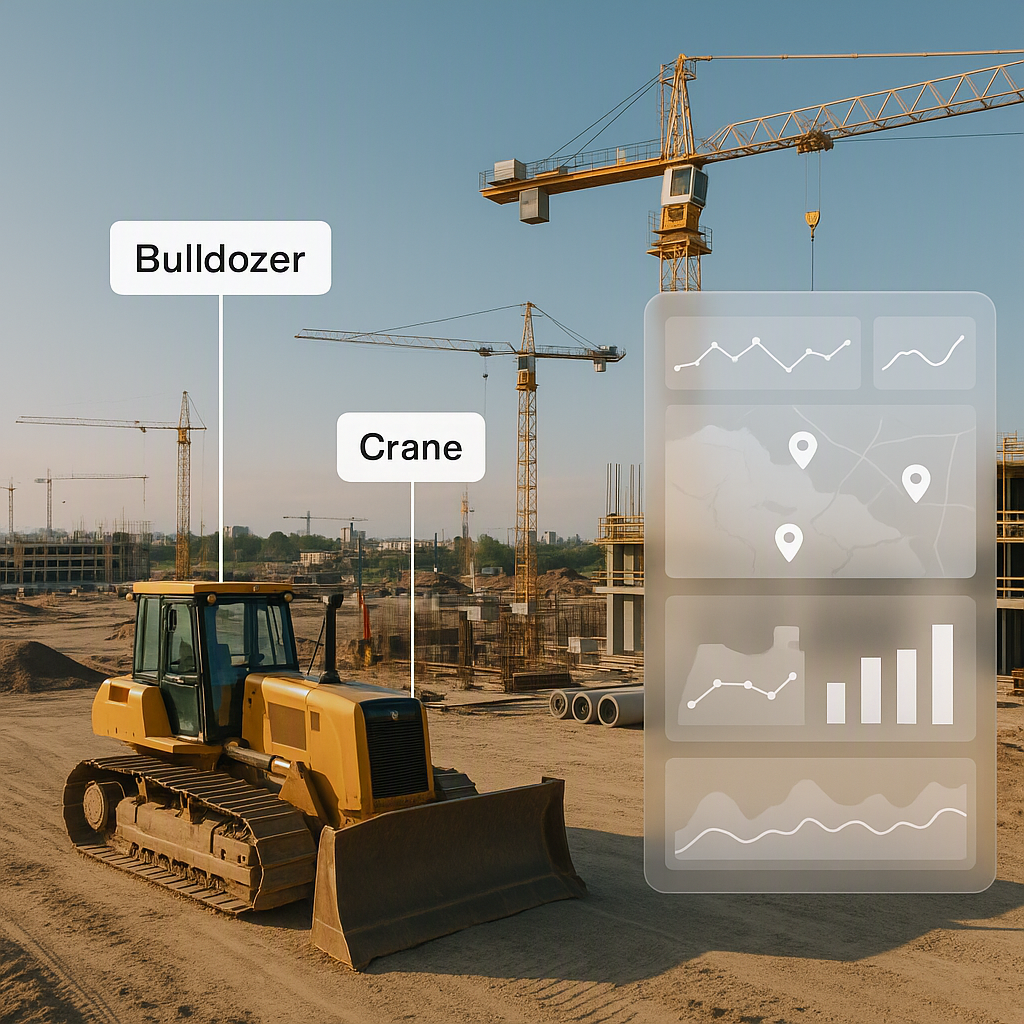
Real-time tracking isn’t just a "nice-to-have" anymore—it’s essential for effective project management. With a system that shows you where every asset is, how it’s being used, and what it’s costing, you can:
- Reallocate underutilized equipment instantly.
- Schedule preventive maintenance before breakdowns occur.
- Accurately track costs and allocate them to the right projects.
Modern tools for asset tracking offer features like utilization tracking, maintenance scheduling, and automated depreciation calculations. These systems help contractors make informed decisions and reduce inefficiencies.
What’s Holding You Back?
Many contractors hesitate to adopt real-time asset tracking due to inertia or misconceptions about cost and complexity. However, the long-term savings from improved efficiency and reduced losses far outweigh the initial investment.
A 2023 McKinsey study found that digitized construction companies see significant profitability increases compared to those relying on manual methods.
How To Get Started
If you’re ready to improve asset visibility and protect your margins, here’s how to begin:
-
Audit Your Current Processes
- Assess how you’re currently tracking equipment—spreadsheets, manual logs, or no system at all.
- Identify gaps such as duplicate rentals, delayed maintenance, or unallocated costs.
-
Choose the Right Tool
- Look for a platform that integrates asset tracking with project management, procurement, and finance.
- Features like real-time dashboards, automated depreciation, and maintenance history tracking are essential.
-
Start Small
- Begin with tracking one or two key pieces of equipment and scale as you see results.
-
Train Your Team
- Ensure your team understands the benefits and knows how to use the system effectively.
FAQ
Q: How much does asset tracking software cost? A: Costs vary, but most systems pay for themselves through savings on rentals, fuel, and maintenance.
Q: Can I track rented equipment too? A: Yes, good systems allow you to track both owned and rented assets, including rental costs and durations.
Q: What if my team resists the change? A: Start small and demonstrate how the system simplifies their work—fewer manual updates, less guesswork, and better decision-making.
Q: Do I need special hardware? A: Some systems require GPS trackers, while others integrate with existing equipment telematics.
The Bottom Line
Real-time asset visibility is essential for staying competitive in the construction industry. It helps contractors optimize equipment use, reduce inefficiencies, and make informed decisions. If you’re ready to stop losing margins to guesswork, it’s time to act.