What We Used to Think About Recruitment
Hiring was always a slog. Post a job, screen resumes, interview candidates, and repeat. For contractors, it got worse when hiring in bulk—think 50 electricians for a new MEP project or 200 laborers for a road expansion. The process was manual, prone to errors, and slow enough to delay mobilization. You’d miss deadlines, overpay temp agencies, or scramble to reassign staff from other jobs. It was chaotic.
The Shift That Changed Everything
For large-scale projects requiring niche roles or urgent mobilization, manual recruitment often falls short. Companies have increasingly turned to AI-powered bulk recruitment tools to streamline the process. These tools enable faster candidate matching, reduce administrative overhead, and improve hiring efficiency for roles requiring specific certifications or proximity to job sites.
Why We Used to Stick to Manual Hiring
There’s a reason the old belief survived. Contractors value control. Screening resumes manually feels thorough—you see every detail, catch red flags, and ensure candidates are genuinely qualified. Bulk recruitment sounded risky. Would the system miss something? What if it recommended the wrong people?
And then there’s the tech skepticism. Many HR systems claim to streamline hiring but fall short. They’re clunky, hard to integrate, and often fail to account for the nuances of project-based work. Contractors have been burned before.
What We Do Differently Now
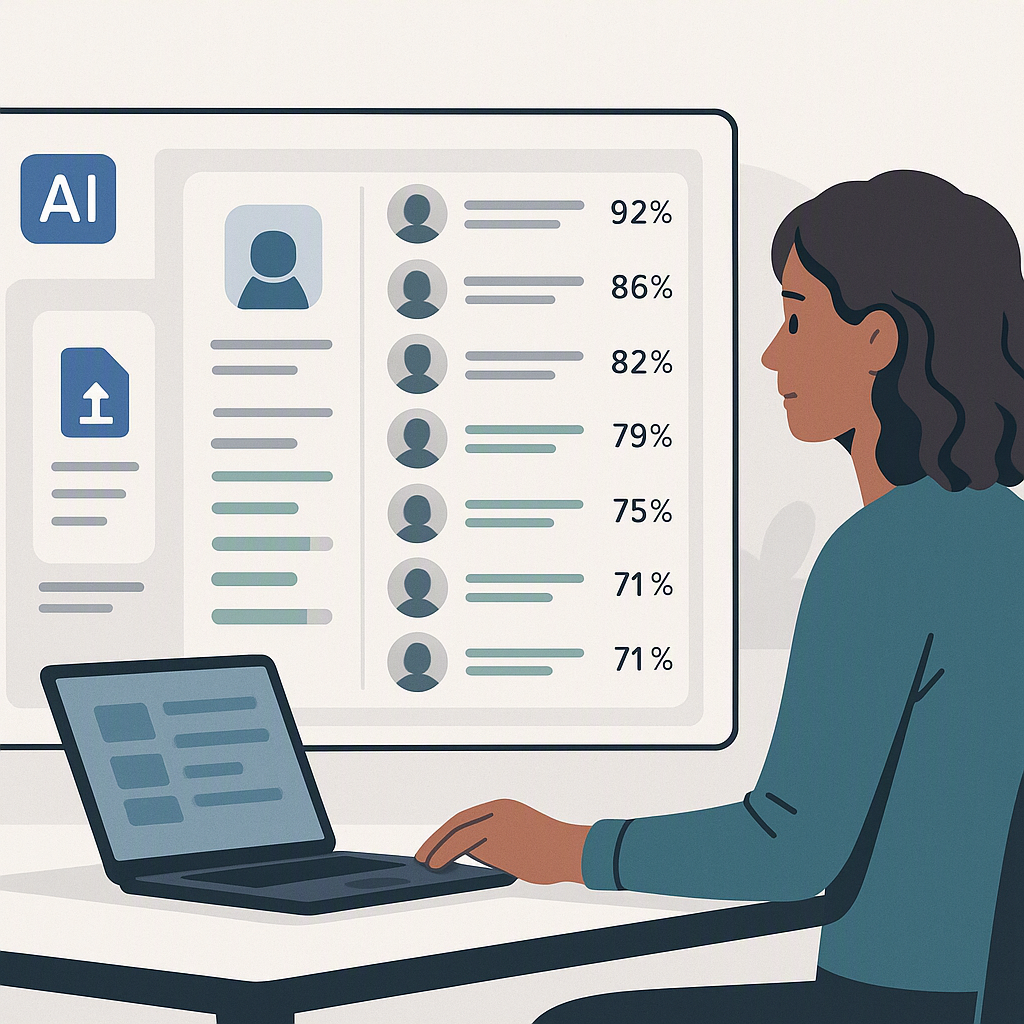
AI-powered bulk recruitment systems have introduced new efficiencies to hiring processes. Here’s how they typically work:
- Upload Candidates in Bulk: HR can add hundreds of resumes at once—ideal for large mobilization requests.
- Match Scores: The system ranks candidates based on skills, certifications, location, and availability. For example, electricians with proximity to the site score higher.
- Track Status: Every candidate’s progress—shortlisted, interviewed, accepted—is visible in one pipeline. No more messy spreadsheets.
Illustrative example — A contractor needing laborers for a landscaping project could upload resumes, score candidates based on proximity and certifications, and fill positions efficiently without relying on temp agencies.
What We’re Still Unsure About
But AI isn’t perfect. What happens when the data is incomplete—like certifications missing from resumes? Or when bulk uploads pull in candidates who aren’t actually available? These edge cases still need manual intervention.
And here’s the cost of being wrong: delays. Projects can lose valuable time if staffing issues aren’t caught early. Even with better tools, vigilance matters.
Final Thoughts
Bulk recruitment uploads aren’t just a convenience; they’re a necessity for contractors running large-scale projects. If you’re tired of manual hiring chaos, exploring AI-powered tools for bulk recruitment could be a game-changer for your operations.