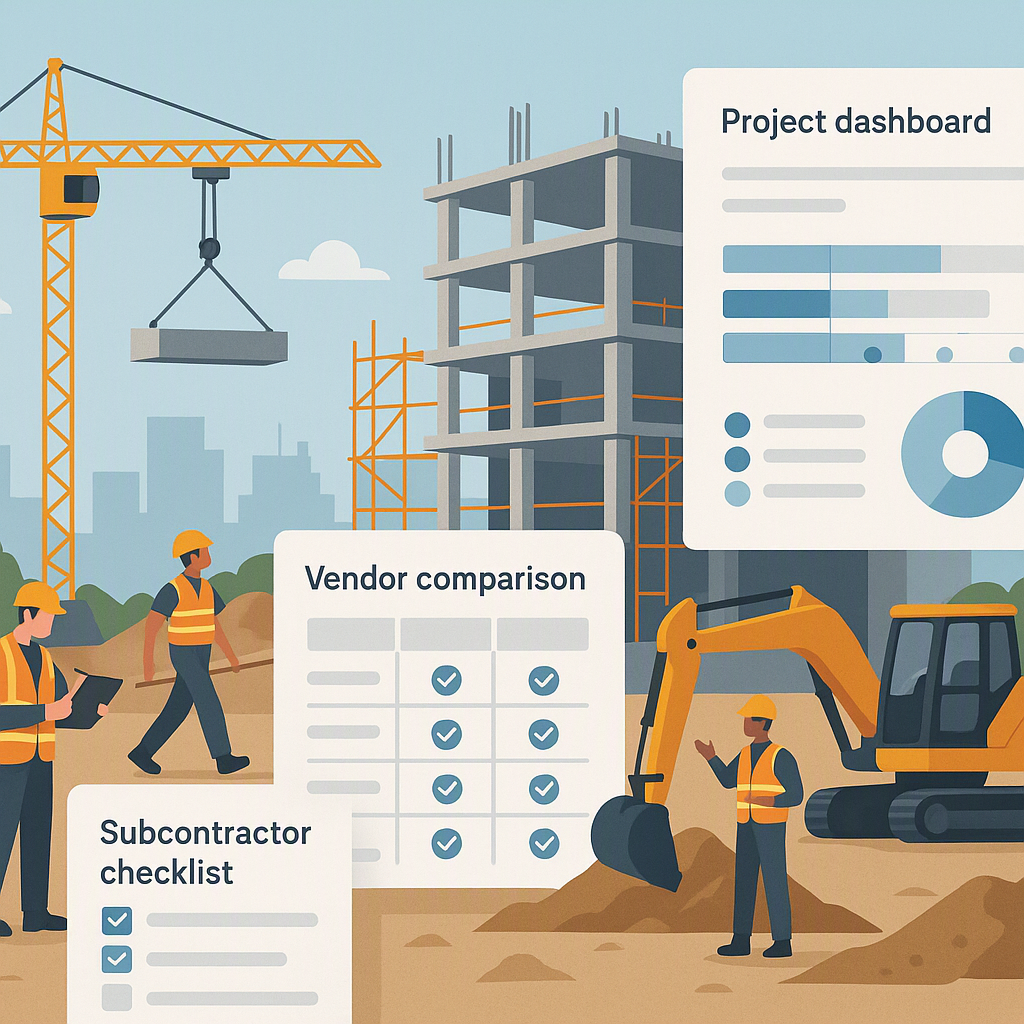
Why Subcontractor Onboarding Matters
If you’ve ever had a subcontractor miss a deadline or blow a budget, you know how critical onboarding is. It’s not just about paperwork. It’s about setting expectations, ensuring compliance, and avoiding delays that can cascade across an entire project. For contractors in the GCC (Gulf Cooperation Council), this gets even trickier—multi-site operations, local labor laws, VAT compliance, and intense competition mean there’s absolutely no room for mistakes.
Yet, many contractors wing it. They think, "We’ll figure it out as we go." That’s a recipe for disputes, overruns, and sleepless nights. The truth is, efficient subcontractor onboarding isn’t a luxury—it’s a necessity.
So what’s the fix? A clear, repeatable onboarding process. Let’s break it down step-by-step, along with actionable strategies, practical comparisons, and answers to common questions.
Pre-Onboarding Preparations: Setting the Stage
Before you even think about signing a subcontractor, there are essential steps you need to take to set the stage for success. Rushing into a contract without proper preparation can lead to serious issues later. Here’s how to prepare:
1. Clarify Scope of Work (SoW)
Ambiguity kills projects. You need to define exactly what you expect from the subcontractor in granular detail. Vague instructions lead to miscommunication, scope creep, and disputes.
Actionable Steps:
- Break down the job into specific work items using tools like Work Breakdown Structures (WBS) or Bill of Quantities (BOQs).
- Use software solutions like JobNext’s Subcontractor Management module to organize tasks into Work Groups and Work Order Items.
- Clearly outline timelines, resources, and dependencies for each task.
2. Budget Approval
Without a budget, you’re flying blind. Establish spending limits for each work item and ensure they align with your overall project budget.
Actionable Steps:
- Assign a cost estimate to every deliverable before issuing Work Requisitions (WRs).
- Use financial tracking tools to compare subcontractor bids against your budget.
- Ensure all stakeholders approve the budget before moving forward.
3. Vendor Prequalification
Not every subcontractor is worth your time. You need to vet potential vendors thoroughly to ensure they meet your project’s standards.
Actionable Steps:
- Evaluate subcontractors based on their technical capabilities, past performance, and compliance with local labor laws.
- For GCC contractors, verify VAT registration, safety certifications, and insurance coverage.
- Request references and inspect past project portfolios for quality assurance.
4. Document Collection
Get the basics sorted upfront. Missing documents can delay mobilization and lead to compliance issues later.
Actionable Steps:
- Ensure you’ve collected signed contracts, including NDA, intellectual property clauses, and termination terms.
- Verify proof of insurance and bonding.
- Gather tax and compliance documents such as VAT registration certificates or labor approvals specific to your region.
5. Pre-Mobilization Communication
Good communication prevents misunderstandings. Kick things off with a comprehensive meeting to align all parties.
Actionable Steps:
- Schedule a kickoff meeting and share the agenda in advance.
- Discuss timelines, milestones, payment terms, and reporting structures.
- Confirm the communication protocol (e.g., email, project management tools, or regular site meetings).
The Subcontractor Onboarding Checklist
Once you’ve laid the groundwork, it’s time to onboard your subcontractors. Here’s an actionable checklist to follow:
1. Execute Contract Agreements
This is your legal foundation. Without a signed contract, you’re exposing yourself to unnecessary risks.
Actionable Steps:
- Include detailed SoW, payment terms, penalties for delays, and non-compliance clauses.
- Use standardized templates to speed up this process.
- Many ERP tools, like JobNext, allow you to auto-generate contracts directly from approved quotes.
2. Verify Compliance Documents
Don’t skip this step—missing compliance documents can halt your project.
Actionable Steps:
- Verify proof of insurance (liability, worker’s compensation).
- Check bonding documents (if required).
- Ensure subcontractors provide safety certifications and labor compliance records.
- For GCC contractors, confirm VAT compliance and site-specific permits.
3. Issue Work Requisitions (WRs)
Define the exact resources or tasks required for the job so subcontractors know what they’re bidding on.
Actionable Steps:
- Break down WRs based on specific project needs.
- Send WRs for internal approval before circulating them to subcontractors.
4. Circulate Request for Proposals (RFPs)
Competitive bidding ensures cost efficiency and quality.
Actionable Steps:
- Invite a minimum of three subcontractors to bid.
- Give subcontractors adequate time to prepare detailed proposals.
- Provide a clear evaluation framework to ensure bids are comparable.
5. Evaluate Vendor Offers
Choosing a subcontractor isn’t just about picking the lowest bid.
Actionable Steps:
- Compare offers based on total cost, technical capability, timeline, mobilization readiness, payment terms, and compliance.
- Document your selection process to create an audit trail. Tools like JobNext’s Comparative Statement feature can simplify this.
6. Approve and Issue Work Orders (WOs)
Turn the selected proposal into an actionable work order.
Actionable Steps:
- Use automated tools to auto-fill WOs with data from the approved vendor offer.
- Ensure final approval from project leads before issuing.
7. Set Up Site Access & Resources
Ensure the subcontractor can hit the ground running.
Actionable Steps:
- Provide site induction, including safety protocols and emergency procedures.
- Issue site access badges or permits.
- Allocate resources like equipment or temporary facilities as per the contract.
8. Track Initial Deliverables
Monitoring work progress from day one ensures accountability.
Actionable Steps:
- Use Measurement Sheets to document initial work progress.
- Verify deliverables before releasing payments.
- Schedule early progress reviews to catch issues before they escalate.
Leveraging Technology for Efficient Onboarding
Handling onboarding manually is a recipe for disaster. Here’s why technology is crucial:
| Manual Process | Technology-Assisted Process |
|---|---|
| Relies on spreadsheets, emails, and fragmented communication | Centralized workflows for WR, RFP, WO, and compliance tracking |
| Prone to errors due to manual data entry | Automated data population reduces errors |
| Limited visibility into real-time progress | Dashboards and measurement sheets provide live updates |
| No audit trail for decisions | Full documentation of vendor selection and budget amendments |
Tools like JobNext simplify onboarding with features such as:
- Automated Workflows: Ensure nothing slips through the cracks.
- Compliance Tracking: Store documents in one place and set renewal reminders.
- Measurement Sheets: Link work progress directly to billing.
- Audit Trails: Protect yourself in case of disputes with documented decisions.
Post-Onboarding: Monitoring and Continuous Improvement
Onboarding isn’t a one-and-done process. It’s an ongoing effort to ensure success. Here’s how to keep things on track:
- Monitor Progress: Use real-time dashboards to track deliverables, milestones, and any risks.
- Conduct Regular Reviews: Schedule monthly or milestone-based performance reviews with subcontractors.
- Refine Your Process: After each project, gather feedback from your team and subcontractors to identify areas for improvement.
Conclusion: Why This Matters
Subcontractor onboarding isn’t just a task—it’s an investment in your project’s success. A clear, repeatable process reduces delays, controls costs, and keeps disputes to a minimum. On the other hand, skipping steps or relying on outdated methods leads to chaos.
If you’re struggling with subcontractor onboarding, consider leveraging tools like JobNext to streamline the process and safeguard your projects. Get started free →