The $50 Billion Opportunity Contractors Can’t Ignore
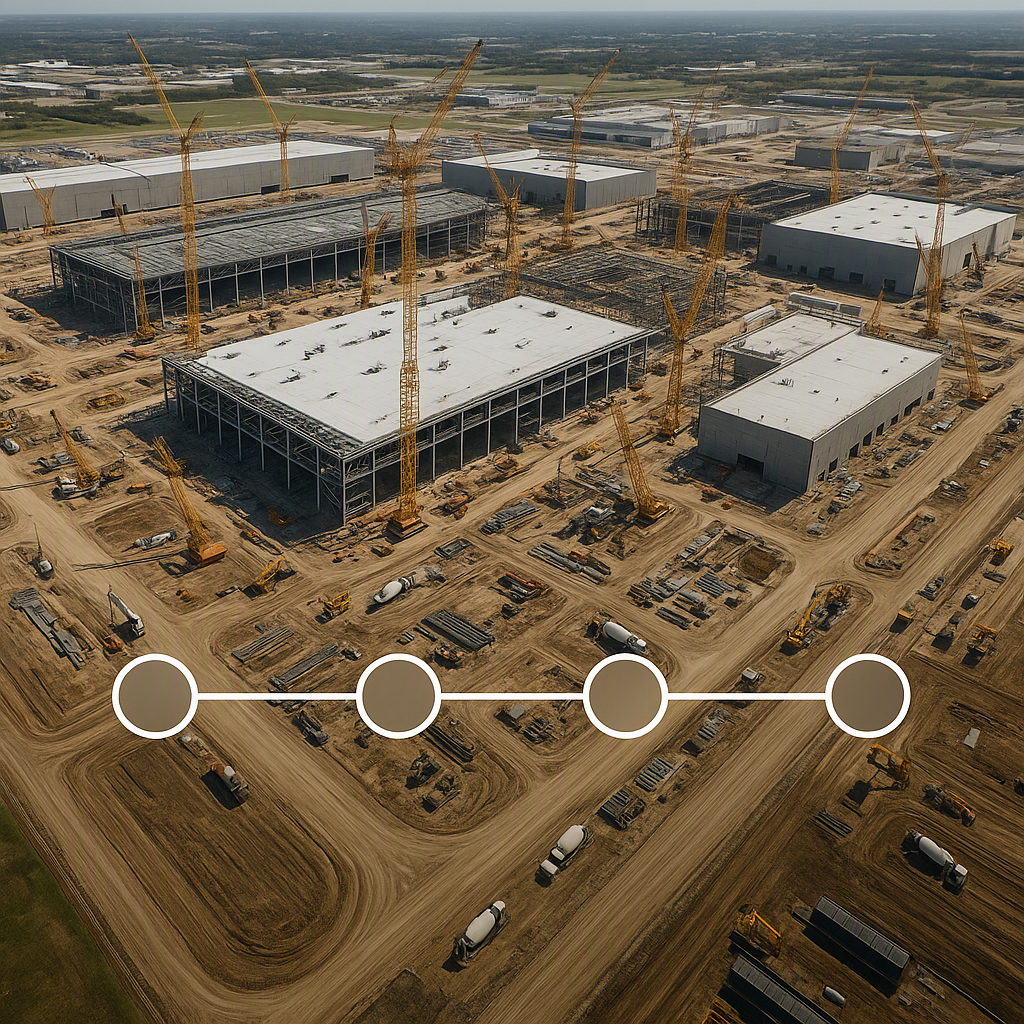
Meta’s commitment to building a $50 billion data center in Louisiana isn’t just a headline—it’s a seismic event in construction contracting. With over 1,200 acres of development planned for the company’s Hyperion project, this is a chance for contractors to land serious, long-term work. Data centers are booming globally, and their construction is no small feat: massive steel structures, complex mechanical, electrical, and plumbing (MEP) systems, and advanced cooling solutions.
It’s not just large contractors that can bid here—small to mid-sized firms specializing in HVAC, firefighting, interiors, or landscaping will also find opportunities. But there’s a flip side: competition will be brutal, and winning bids without bleeding margins will be a challenge.
How can you stand out? By mastering cost tracking and budgeting—two areas where many contractors falter. In my experience, contractors often lose money on projects like these because they bid aggressively to win but have no clear system to track costs or enforce budgets once work begins. That’s where tools like JobNext can make a difference. Let’s break this down.
The Challenge: Cost Tracking in Mega Projects
Landing a contract on a project of this scale means dealing with complex Bill of Quantities (BOQs), tight timelines, and highly sophisticated stakeholders. Every deviation from your estimate can eat into your profits. Here’s a common scenario:
- You win a contract for a specific scope of work—say, installing HVAC systems in one of the data center’s buildings.
- Your team starts ordering materials, hiring subcontractors, and deploying equipment. But without a real-time system to track costs, you rely on spreadsheets or outdated ERP systems.
- By the time you realize you’ve overshot your budget on materials, it’s too late to adjust.
The result? Margin erosion that no one noticed until the damage was done. Worse, if you’re billing monthly based on Running Account (RA) bills, you may delay invoicing because you haven’t reconciled subcontractor measurements. This delays cash flow and strains your operations.
The Solution: Real-Time Project Profitability Tracking
What if you could monitor costs in real time, flagging overspending before it spirals out of control? That’s what JobNext’s project profitability tracking does. It ties every expense—whether it’s material procurement, subcontractor payments, or equipment hire—back to your approved BOQ and scope.
For example, if you’re working on the HVAC scope for Meta’s Hyperion project:
- BOQ-Level Tracking: JobNext lets you break down your BOQ into smaller scopes and assign budgets to each. If your team tries to exceed the approved budget for ductwork materials, the system flags it immediately.
- Subcontractor Controls: Every subcontractor’s work is tied to certified measurement sheets, ensuring you only pay for what’s completed. No more overpayments or disputes.
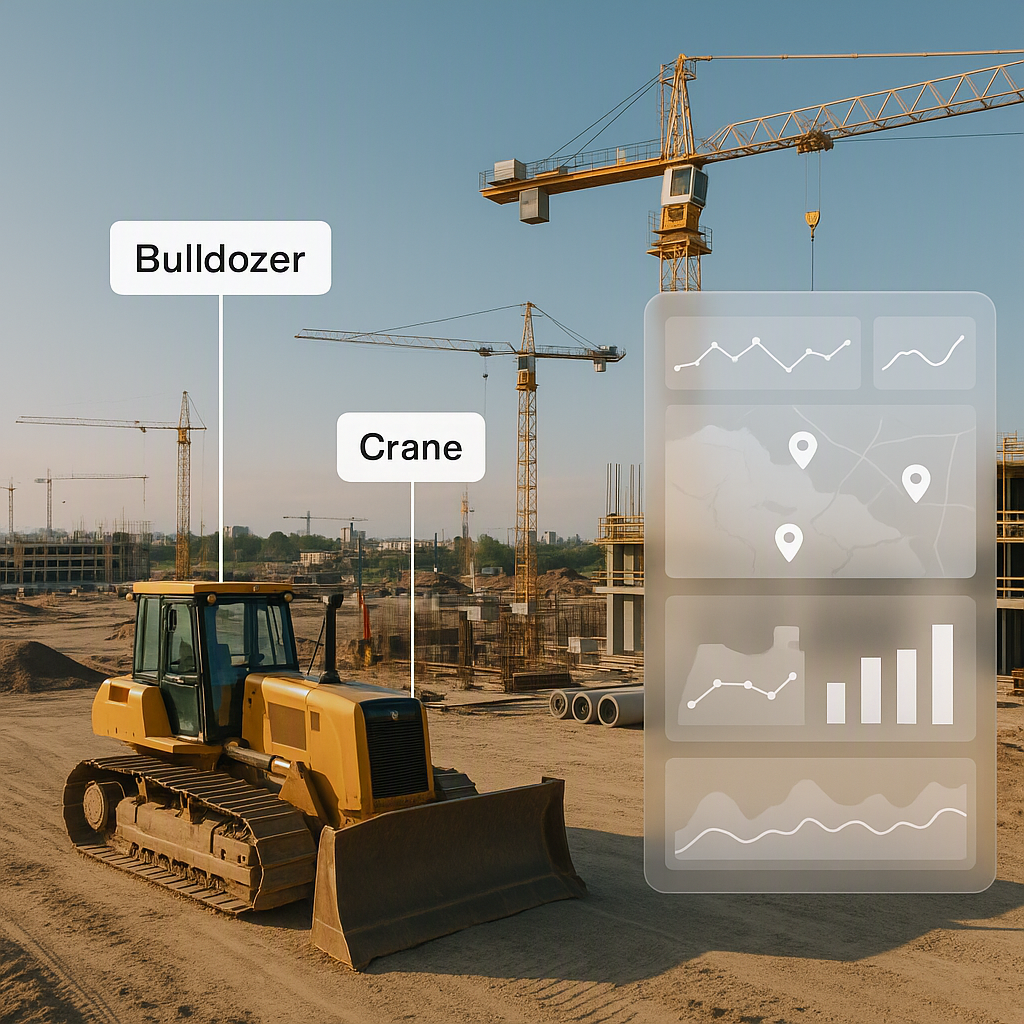
- Dashboards: Real-time dashboards let your project managers and finance teams see where every dollar is going. If your margin starts to erode, you’ll know why—and you can course-correct before it’s too late.
Additional Actionable Steps to Improve Cost Tracking
- Implement Pre-Project Planning: Before the project begins, create a detailed BOQ and allocate budgets to each item. Use historical cost data to inform your estimates.
- Adopt a Unified System: Avoid fragmented tools like spreadsheets. Use software, such as JobNext, to centralize procurement, budgeting, and cost tracking.
- Regular Budget Reviews: Schedule weekly or bi-weekly reviews of your project budget and expenses to catch discrepancies early.
- Train Your Team: Ensure that your project managers and site supervisors understand the importance of cost tracking and know how to use the tools you’ve implemented.
This kind of discipline doesn’t just protect your bottom line; it also makes you a more credible contractor in the eyes of clients like Meta. They want partners who can deliver on time and on budget, not firms scrambling to fix cost overruns.
Why Small Contractors Need to Pay Attention
You might be thinking, "This all sounds great, but I’m a small firm. I don’t have the resources to compete with big players here." I get it. But here’s the thing: Mega projects like Meta’s data center don’t just need large contractors—they need specialists. If you’re an HVAC contractor, a facilities management provider, or a landscaping company, you can win smaller scopes within the larger project.
However, smaller firms are often the most vulnerable to financial missteps. Without a robust system to manage costs, what starts as a lucrative contract can quickly become a nightmare.
Critical Steps for Smaller Contractors
- Focus on Your Niche: Identify the specific scopes where you can excel. For example, HVAC contractors can specialize in precision cooling systems, a critical component of data centers.
- Partner Strategically: Consider teaming up with larger contractors who need your expertise for smaller scopes.
- Use Scalable Tools: Invest in cost management software that’s affordable and scalable. JobNext offers solutions tailored to small and mid-sized firms.
- Plan for Cash Flow: Mega projects often have long payment cycles. Ensure you have enough working capital to cover expenses while waiting for payments.
Lessons from the GCC: How Gulf Contractors Handle Mega Projects
Contractors in the GCC (UAE, Saudi Arabia, Oman) are no strangers to mega projects. From the Burj Khalifa to the Riyadh Metro, they’ve learned to manage complexity at scale. Here’s how:
- Unified Systems: Most successful contractors in the GCC have moved away from spreadsheets and adopted ERP platforms like JobNext to manage tendering, procurement, and execution in one place.
- Budget Discipline: Every expense is validated against the approved budget. No purchase order is issued without an MR → RFQ → PO workflow.
- Compliance Built-In: Tools like JobNext automatically handle VAT, TDS, and other statutory requirements, which is critical for projects with international clients like Meta.
Comparison: GCC vs. U.S. Practices
| Aspect | GCC Contractors | U.S. Contractors |
|---|---|---|
| Cost Management Tools | Primarily ERP systems (JobNext, Oracle) | Mix of spreadsheets and niche software |
| Compliance Focus | Strong (VAT, TDS automation) | Moderate (varies by state and client) |
| Subcontractor Vetting | Comprehensive prequalification processes | Often based on lowest bid |
These practices aren’t just for billion-dollar firms. Even mid-sized contractors can adopt them to punch above their weight.
Common Mistakes to Avoid When Bidding on Data Centers
- Underestimating Scope Complexity: Data centers aren’t just big warehouses. They require intricate MEP systems, specialized cooling, and often involve cutting-edge technology. Make sure your BOQs and estimates reflect this.
- Ignoring Cash Flow Planning: Mega projects often have long payment cycles. Without a cash flow plan, you risk running out of working capital halfway through.
- Lack of Real-Time Visibility: If you’re not using a system like JobNext to track costs and budgets in real time, you’re flying blind.
- Weak Subcontractor Management: Many contractors hire the cheapest subcontractors without proper prequalification. This often leads to delays and cost overruns. JobNext includes tools for prequalifying subcontractors and tracking their performance.
FAQ
Q: Can small contractors really compete for work on projects like Meta’s data center? A: Yes. Mega projects need specialists for smaller scopes like HVAC, interiors, and landscaping. The key is to submit competitive bids without underestimating costs.
Q: What’s the biggest risk for contractors on large projects? A: Margin erosion due to poor cost tracking. Most contractors lose money because they don’t monitor expenses in real time.
Q: How does JobNext help with compliance? A: JobNext automates VAT, TDS, and other statutory deductions. It also integrates with tools like Tally for seamless statutory reporting.
Q: How do I handle long payment cycles on mega projects? A: Create a detailed cash flow plan before starting the project. Use systems like JobNext to track receivables and ensure timely billing.
Q: What’s the best way to manage subcontractors on a large project? A: Prequalify subcontractors before hiring, and use tools like JobNext to link payments to certified measurement sheets.
Conclusion: Don’t Leave Money on the Table
Meta’s $50 billion Hyperion project is a once-in-a-lifetime opportunity. But without the right systems, contractors risk turning a golden contract into a financial disaster. Tools like JobNext aren’t just nice-to-have—they’re essential for staying competitive in today’s high-stakes construction landscape.
If you're ready to take control of your margins and compete on mega projects, JobNext can help. Get started free →