Generation Toolbelt: How Gen Z Construction Workers Are Redefining the Trades
I used to think construction was all about grit and manual labor. A world of hard hats, steel-toed boots, and elbow grease. And for decades, it mostly was. You worked your way up from apprentice to foreman to, if you were lucky, a site manager. It was a trade defined by hands-on experience and, let’s be honest, a lot of paper forms. If you were tech-savvy, it meant you knew how to use Excel. That was the ceiling.
But then something changed. A new generation entered the workforce: Gen Z. And they brought with them something that the industry had resisted for years — a hunger for technology and efficiency. They weren’t interested in doing things the way they’d always been done. They wanted systems, instant access, and most importantly, tools that worked without breaking their backs or their spirits.
The day it hit me? It was 2022, and I was meeting a young project assistant on one of our client sites. She was juggling RFQs on her phone while cross-checking supplier prices on her tablet. I asked her about the old paper-based procurement process, and she gave me a blank stare. “Why would anyone do it that way?” she asked. Her tone wasn’t dismissive — just genuinely confused. And that’s when I realized: this wasn’t just a generational shift. It was a complete rethinking of how we approach construction work itself.
Why the Old-School Way Stuck Around for So Long
Let’s be fair to the “old way.” For decades, the construction industry thrived on a certain rhythm because it worked. Paperwork, manual processes, and back-and-forth phone calls got the job done. Things took time, sure, but it wasn’t seen as inefficiency — it was just the way things were. And let’s not forget, change is expensive. New tech means training, investment, and downtime. For years, many contractors couldn’t justify the cost when their margins were already razor-thin.
Plus, there was a certain pride in doing things manually. If you’ve ever met a seasoned site manager, you know they can calculate quantities in their head faster than most tech can. They’d argue — often rightly — that no app could replace their decades of experience. And they weren’t wrong. But they weren’t entirely right, either.
Actionable Steps to Evaluate Legacy Processes:
- Audit Your Current Systems: Document every process — procurement, project management, employee scheduling, etc. Divide tasks into "manual" and "automated" categories.
- Identify Bottlenecks: Look for areas where delays or errors frequently occur. Is it in communication? Documentation? Approval workflows?
- Estimate Costs of Inefficiency: Quantify the time and money lost to manual processes. This helps justify investments in technology.
- Get Buy-In from Leadership: Present these findings to decision-makers with clear ROI projections. Show how modern tools can reduce costs and improve productivity.
What Gen Z Brings to the Table
Now, let’s talk about Gen Z. This is the first generation to grow up with smartphones in their hands. They’ve never known a world without instant messaging or cloud storage. For them, inefficiency isn’t just frustrating — it’s nonsensical. Why would you spend hours reconciling material requisitions when software can do it in seconds? Why would you wait for a physical purchase order to be signed when you could approve it with a tap?
But it’s not just about technology. Gen Z also values flexibility, transparency, and purpose. They’re not interested in working long shifts just to climb a corporate ladder that might not even exist by the time they reach the top. They want tools that let them work smarter, not harder. They want to see the impact of their work — not just on the job site, but on the environment, the community, and their own careers.
How to Attract and Retain Gen Z Talent:
- Integrate Modern Tools: Use construction management software like Procore, PlanGrid, or Buildertrend to streamline workflows.
- Offer Flexibility: Implement remote work options for certain roles, like estimators or project managers.
- Prioritize Sustainability: Adopt practices like waste reduction, energy-efficient building methods, and green certifications to appeal to eco-conscious workers.
- Provide Transparent Career Paths: Create clear development plans with certifications and training programs.
- Communicate Impact: Show how their work contributes to the company’s success, the community, or the environment.
Streamlining Procurement Processes
Take procurement, for example. For decades, it’s been a challenging process for contractors: messy spreadsheets, endless email chains, and missed deadlines. Gen Z workers don’t have the patience for that. And honestly, why should they?
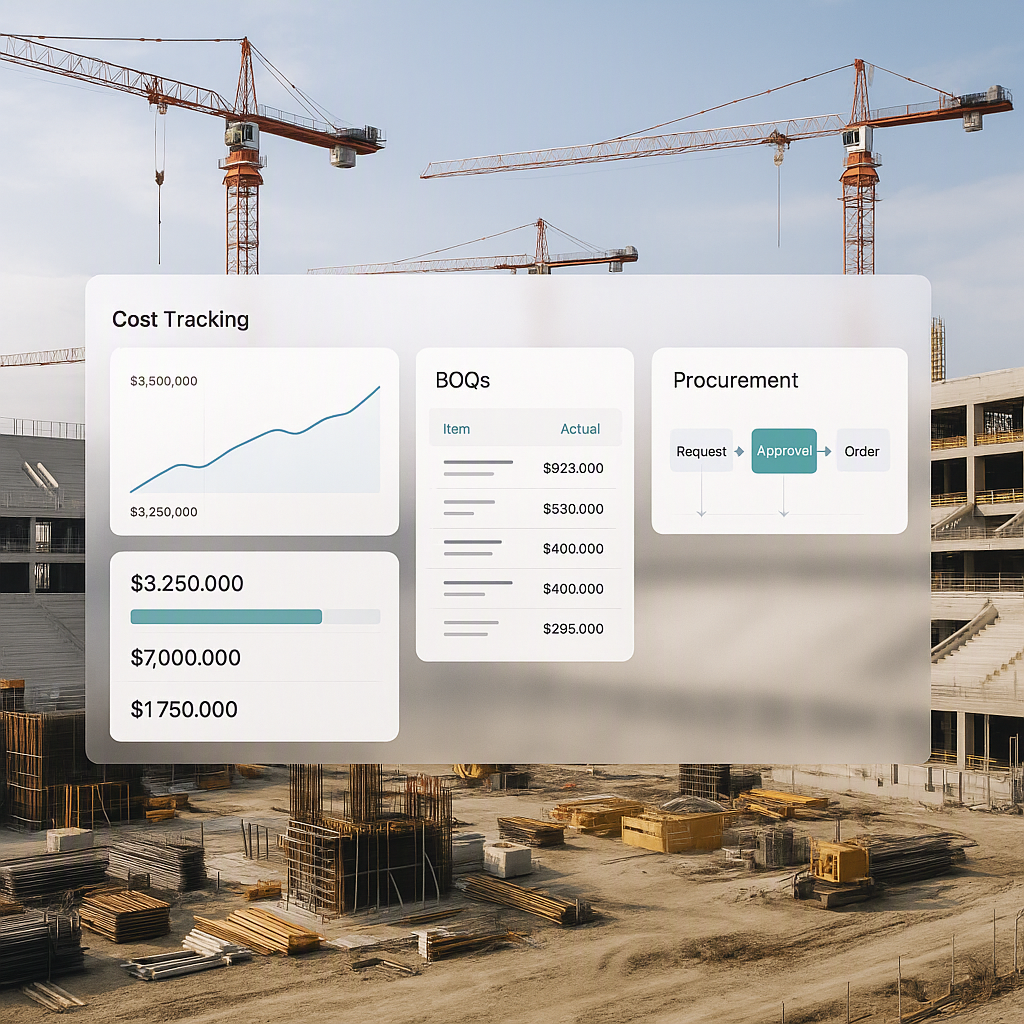
Imagine a workflow where the entire procurement process is streamlined: Material Requisition (MR) → Request for Quotation (RFQ) → Vendor Offers → Purchase Order (PO). Everything is digital, centralized, and transparent. Need an approval? It’s a tap away on a mobile app. Want to compare vendor prices? A system could lay it out for you in a clean, side-by-side view.
Steps to Modernize Procurement:
- Invest in Procurement Software: Tools like COINS and Procore can automate RFQs, track delivery timelines, and integrate with accounting systems.
- Standardize Communication: Use centralized platforms like Slack or Microsoft Teams to ensure all discussions are documented and accessible.
- Establish Vendor Portals: Allow suppliers to submit quotes and invoices directly into your system for easy comparison.
- Train Teams: Provide comprehensive training so employees can confidently use these tools.
- Monitor and Optimize: Use analytics to track procurement timelines and identify areas for improvement.
What We Do Differently Now
So, what’s changed? For starters, we’ve stopped assuming that “this is how we’ve always done it” is a valid excuse. We’re now looking at every process through a fresh lens: Is this the best way to do it? Can technology make this easier? And most importantly, is this a process the next generation would actually want to use?
We’ve also started involving younger team members in decision-making. They have insights we don’t. They’re the ones living and breathing this new way of working, and their input is invaluable. It’s not about handing over the reins; it’s about collaborating.
Comparison Table: Old-School vs. Modern Construction Practices
| Aspect | Old-School Practices | Modern Practices |
|---|---|---|
| Procurement Workflow | Paper forms, phone calls, manual tracking | Digital tools, automated workflows |
| Communication | Phone calls and in-person meetings | Instant messaging, cloud collaboration |
| Project Management | Whiteboards, Excel spreadsheets | Cloud-based project management platforms |
| Training and Development | On-the-job training | Online courses, certifications, mentorship |
| Work-Life Balance | Long hours, rigid schedules | Flexible hours, remote work options |
| Sustainability | Minimal focus | Green building practices, energy efficiency |
The Bottom Line
The construction industry is at a crossroads. We can either cling to the old ways and risk losing the next generation of talent, or we can adapt. Tools and systems that streamline processes aren’t just a nice-to-have — they’re essential for staying competitive in a world that’s moving faster than ever.
If you’re ready to embrace change and give your team the tools they need to thrive, now is the time to act.