AI Data Centers Are Changing the Rules for GCC Contractors
For years, Gulf contractors relied on predictable utility demand. Data centers? A niche. AI workloads? Someone else's headache. But that's not today's reality. AI adoption is exploding, and data centers are now the backbone of this growth. The GCC region, with its strategic location and favorable policies, is becoming a hub for hyperscale data centers.
Here’s the catch: these centers consume staggering amounts of power. A McKinsey report estimates worldwide demand for data center capacity could grow significantly in the coming years, requiring substantial energy resources. GCC grids already face challenges — balancing this kind of demand is no small feat.
The Utility Problem Nobody Can Ignore
Data centers aren’t just big buildings with servers. They’re power-hungry facilities. AI-driven workloads exacerbate the issue. Training large AI models requires massive computational power, which means higher electricity consumption. Gulf utilities are feeling the strain, especially in regions where renewable energy infrastructure is still catching up.
Why AI Workloads Are Different
Traditional data centers primarily handle tasks like website hosting, email, and cloud applications, which have predictable and relatively moderate power demands. AI workloads, on the other hand, are computationally intensive. Training large language models or running deep learning algorithms requires specialized hardware like GPUs (Graphics Processing Units) and TPUs (Tensor Processing Units). These systems draw significantly more power than standard CPUs, and their cooling requirements are correspondingly higher. For example, some AI supercomputers consume upwards of 20MW — enough to power a small town.
AI workloads also tend to operate in bursts of extreme activity, which leads to "peak loads" that strain infrastructure. Unlike traditional workloads that maintain steady-state operations, AI training often involves spikes in energy consumption followed by periods of lower demand. This unpredictability adds another layer of complexity for contractors and utilities alike.
The GCC-Specific Challenge
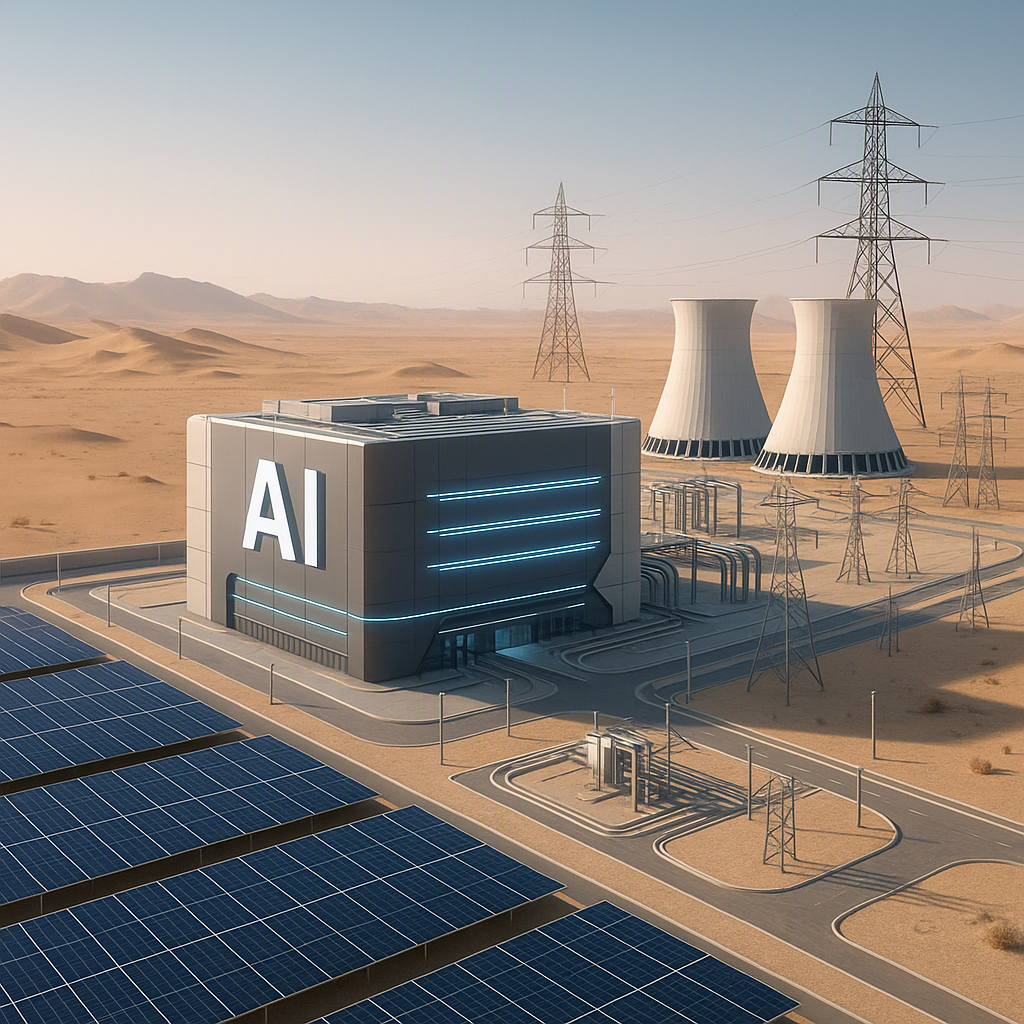
The GCC's climate exacerbates the issue. With year-round high temperatures, cooling systems in data centers must work harder to maintain optimal operating conditions. This increases both power consumption and operational costs. While the region has made strides in renewable energy — such as the UAE’s solar power initiatives — the infrastructure is still evolving to meet the unique demands of hyperscale data centers.
Moreover, the region’s dependency on desalinated water for cooling in some areas adds another layer of resource strain. Liquid cooling, a promising alternative to traditional air-cooled systems, requires large volumes of water to function efficiently. This becomes a challenge in arid regions where water is already a scarce and expensive resource.
Actionable Steps for Contractors:
- Perform Detailed Load Analysis: Use advanced simulation tools and AI-driven predictive analytics to estimate power and cooling loads specific to AI workloads right from the design phase. This will help ensure that your infrastructure can handle future demands.
- Collaborate Early with Utilities: Establish communication channels with local utility providers during the planning stage. Understand grid limitations, anticipated upgrades, and opportunities for dedicated substations to ensure uninterrupted power supply.
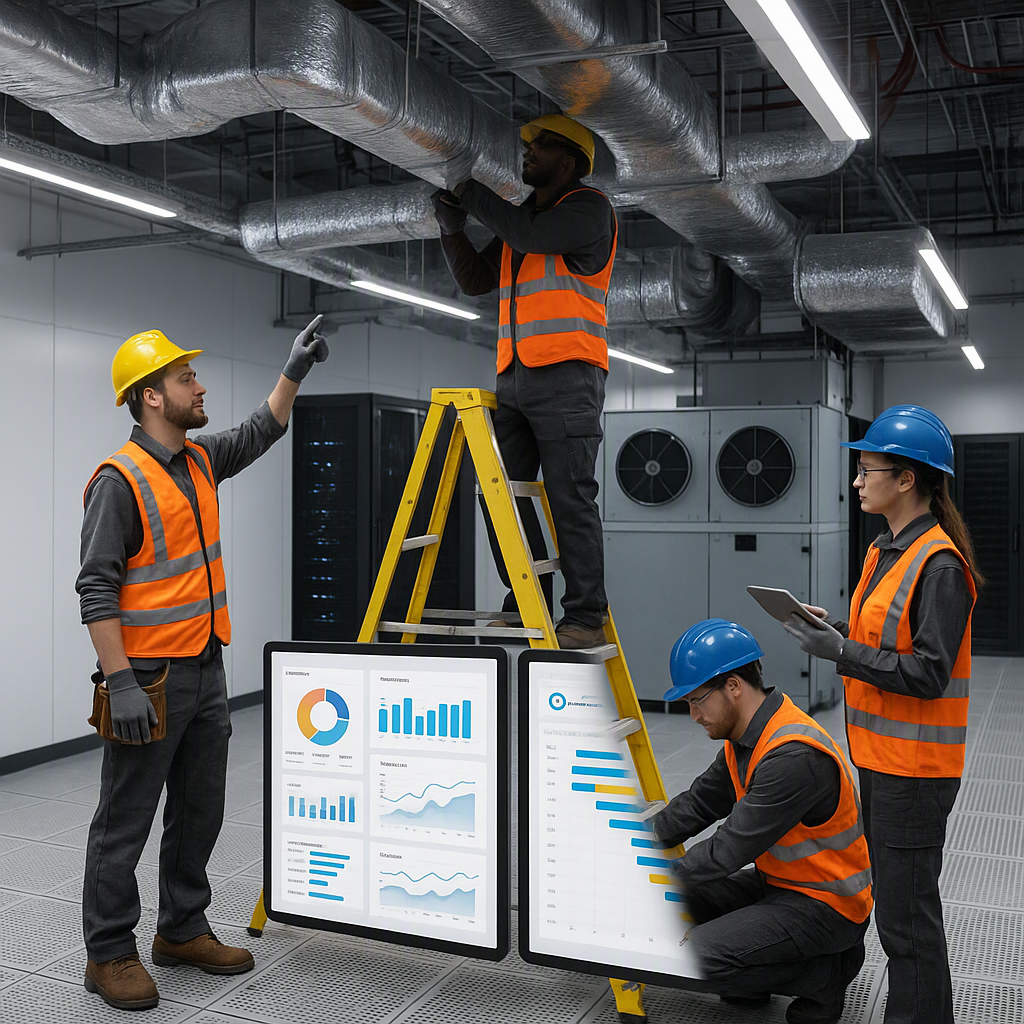
- Leverage Energy-Efficient Cooling Technologies: Investigate cooling options like liquid immersion cooling, evaporative cooling, or even geothermal cooling. These systems are often more efficient in managing extreme heat than traditional methods.
- Plan for Renewable Energy Integration: Include provisions for solar or wind energy systems in your project design. This can reduce the long-term energy cost and environmental impact while meeting client sustainability goals.
- Optimize Site Selection: Choose sites near renewable energy sources or utility infrastructure that can handle increased loads. Proximity to power plants or substations can significantly reduce transmission losses and costs.
Why This Matters for Contractors
As contractors, you’re not just building data centers. You’re building their foundation — power, cooling, backup systems, and more. Every decision affects margins. If utility demand isn’t forecasted accurately, or if procurement for equipment (like chillers or UPS systems) goes off-track, you’ll feel it in your bottom line.
The Procurement Problem
Many contractors still rely on outdated methods — spreadsheets or disconnected tools — to manage procurement for data center builds. This approach increases the risk of errors, delays, and overspending. For instance, sourcing bespoke cooling systems without real-time cost tracking can lead to budget overruns. Similarly, delays in approvals can push projects off schedule, tarnishing client relationships.
How to Avoid These Pitfalls:
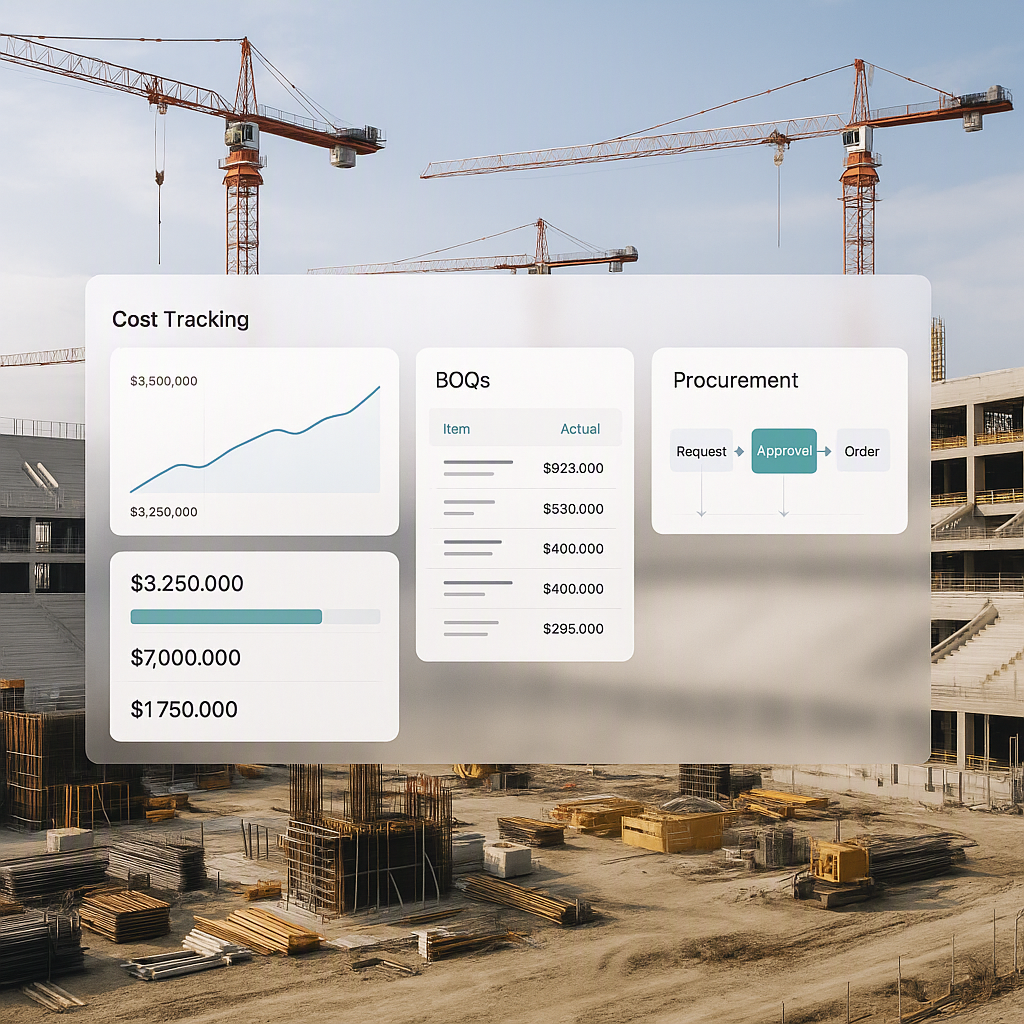
- Use Real-Time Cost Tracking: Platforms like JobNext integrate procurement workflows with budget tracking, ensuring you stay on top of costs and avoid surprises.
- Standardize Vendor Management: Create a database of pre-qualified vendors for critical components like chillers, transformers, and switchgear. This reduces procurement delays and ensures consistent quality.
- Build Contingency Plans: Allocate budget and time buffers for high-risk procurement categories, such as custom-built cooling systems or specialized transformers.
- Streamline Communication: Use tools that centralize all communication between your team, vendors, and clients. This minimizes delays caused by miscommunication or approval bottlenecks.
A Smarter Way to Manage Procurement
This is where platforms like JobNext come in. JobNext provides structured workflows for procurement — from material requisition (MR) to vendor RFQs to purchase orders (PO). Every step is linked to approved budgets. For AI data center projects, this means:
- Accurate Utility Planning: Forecast utility needs based on project scope and BOQ (Bill of Quantities). Tools like JobNext can help analyze historical data to identify potential cost overruns.
- Vendor Accountability: Compare vendor offers side-by-side with supply chain management analytics. This allows contractors to track delivery performance for critical components like transformers or switchgear.
- Approval Chains: Multi-level approval workflows ensure that every purchase aligns with your client’s sustainability goals, such as sourcing energy-efficient cooling systems.
Advantages of Centralized Procurement Platforms
| Feature | Traditional Methods | Platforms like JobNext |
|---|---|---|
| Cost Tracking | Manual, error-prone | Real-time, automated |
| Vendor Comparison | Time-consuming | Instant side-by-side views |
| Approval Workflows | Email-based, inconsistent | Integrated and trackable |
| Compliance Management | Manual | Automated alerts and tracking |
The Cost of Getting It Wrong
Mistakes in utility planning can have significant financial and reputational consequences. For example, underestimating power requirements can lead to costly upgrades and delays. Even if direct penalties are avoided, the damage to a contractor’s reputation can result in lost opportunities for future projects.
Real Risks Contractors Face:
- Cost Overruns: A miscalculation in cooling load could mean replacing air-cooled systems with more expensive liquid-cooled alternatives halfway through the project.
- Grid Overload: Failing to coordinate with utility providers could result in insufficient power delivery, delaying operations.
- Loss of Reputation: Missing deadlines due to poor planning can tarnish your standing in a competitive market.
Mitigation Strategies:
- Scenario Planning: Run multiple load simulations to account for worst-case scenarios. This will help you identify potential risks early.
- Continuous Communication: Maintain open lines of communication with clients and utility providers throughout the project lifecycle. Proactive updates can prevent misaligned expectations.
- Post-Project Audits: Review completed projects to identify lessons learned and improve future planning. Getting feedback from utility providers and clients can uncover blind spots.
Why Utility Planning Is Now a Core Responsibility
Utility planning has traditionally been seen as the client’s responsibility. However, contractors are increasingly being held accountable for ensuring that the infrastructure they build aligns with the utility demands of modern data centers. This shift requires contractors to adopt a proactive approach to utility strategy, including early-stage forecasting and collaboration with utility providers.
How to Make Utility Planning a Strength:
- Invest in Training: Equip your teams with the skills to perform accurate utility load calculations and integrate sustainability considerations.
- Adopt Advanced Tools: Use software that integrates utility planning into the overall project management workflow. This ensures alignment across teams and reduces errors.
- Partner with Experts: Collaborate with consultants who specialize in energy efficiency and AI-specific requirements. Their expertise can help you create more robust designs.
Call to Action
AI-driven data centers are reshaping the GCC construction landscape. If you’re struggling with utility planning or procurement, JobNext can help. Get started free →