Why Data Center Construction Stalls
For years, I thought delays in data center construction came down to one big culprit: complexity. You've got high-density power requirements, cooling systems, and a massive workforce to coordinate. Sure, that's part of the problem. But complexity isn't the full story.
What really stalls these projects? It's the handoffs. From subcontractor bids to measurement tracking, every step is an opportunity for something to go wrong. A missed approval here, a half-documented scope there—it adds up. Deadlines slip, budgets balloon, and suddenly, you've got a project that's weeks behind.
The Thing That Changed My Mind
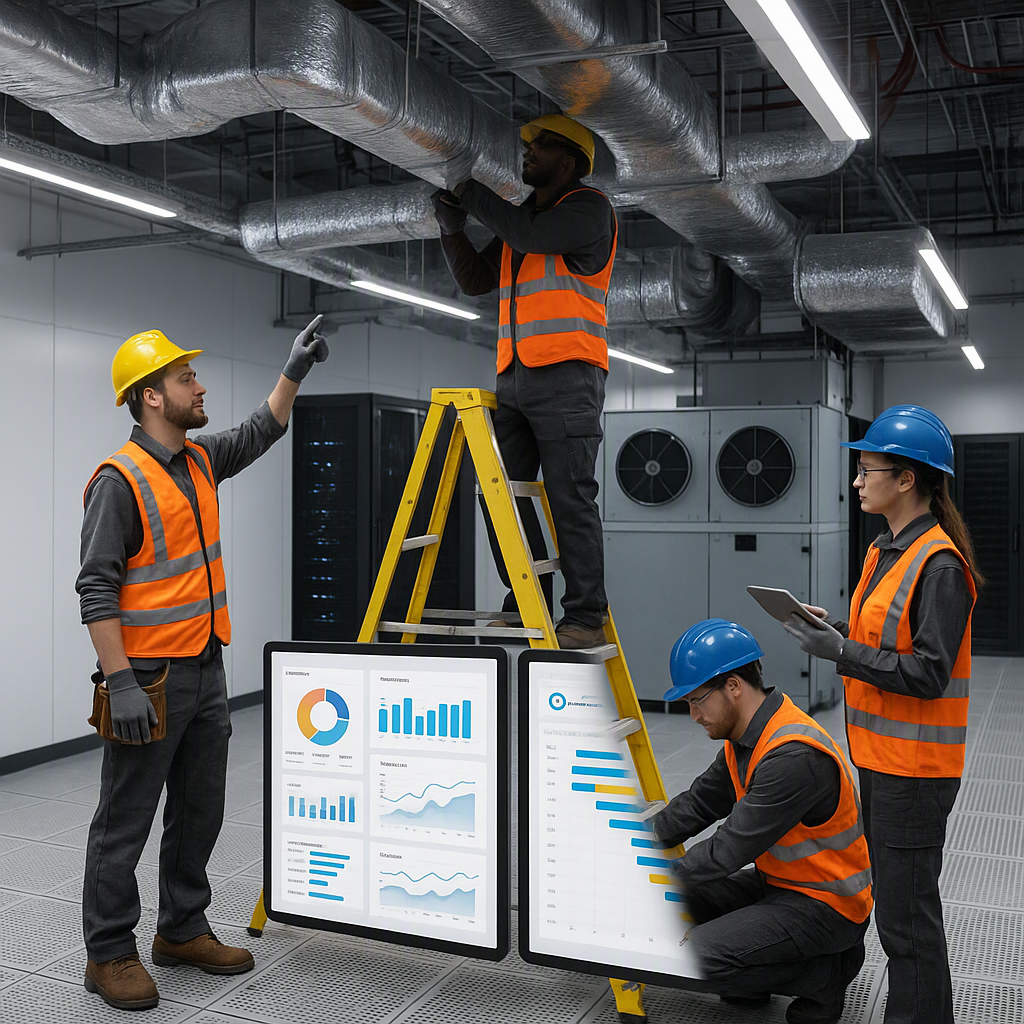
In 2022, I sat in on a weekly progress meeting for a mid-sized data center project in Muscat. The operations head flagged a delay on the HVAC installation. The subcontractor hadn't started because their work order was stuck in approval limbo. It was a simple issue—someone forgot to click 'Approve'—but it had already cost them three days.
That meeting made it clear: complexity doesn’t stall projects; mismanaged workflows do. Contractors were losing valuable time because their systems couldn’t handle the volume of approvals, scope changes, and measurement tracking.
The Role of Workflow in Construction Projects
Good workflows are the backbone of efficient construction. In a data center project, where timelines are tight and costs skyrocket with delays, workflow mismanagement can be catastrophic. Here’s how:
- Approval Chains: Missing approvals can freeze entire work segments. For example, HVAC systems might need structural inspections, but if the inspection report isn't approved, the HVAC installation sits idle.
- Measurement Tracking: Without daily updates on completed work, subcontractors might delay progress reports until the end of the week—or worse, until payment disputes arise.
- Scope Changes: When scope changes aren’t documented or approved immediately, they create confusion. A small change in the cooling system layout can ripple through electrical installations and structural reinforcements.
Concrete Steps to Address Workflow Problems
- Streamline Approval Chains: Map out all approval paths before the project begins. Use tools that automate reminders for pending approvals to ensure no one forgets to sign off.
- Daily Progress Reporting: Establish a culture of daily reporting. This doesn’t have to be time-consuming; mobile apps or tools like JobNext allow subcontractors to log progress in real time.
- Document Scope Changes in Real Time: Train all teams to document any changes as soon as they happen. Use a centralized system to record and approve changes to avoid miscommunication.
Why the Old Belief Survived
Honestly, it’s easy to blame complexity. It’s an abstract problem that sounds convincing. Plus, it shifts responsibility away from the contractor and onto the nature of the work itself. But complexity isn’t something you can fix overnight—it’s baked into data center projects. The real fix is much simpler: tighten your workflows.
Why Mismanaged Workflows Are Overlooked
There’s a psychological trap in blaming complexity. It feels like the right answer because:
- Complexity Is Visible: High-density cooling systems and redundant power backups are tangible problems. Workflow bottlenecks, on the other hand, often happen behind the scenes.
- It Shifts Accountability: Complexity feels inevitable, while poor workflows are a fixable human error. Admitting workflow problems means admitting mistakes.
- Team Silos: Teams often operate in isolation—whether it's electrical, HVAC, or structural. This siloed approach makes it harder to see how workflow issues cascade.
How to Break the "Complexity Excuse"
- Analyze Root Causes: Dig into why delays happen instead of defaulting to "it's complicated." Look at approval logs, communication breakdowns, and reporting gaps.
- Break Down Silos: Create cross-functional check-ins where teams can share progress and flag dependencies. This fosters a more holistic view of the project.
- Use Data: Implement tools that provide insights into workflow bottlenecks. When you have data showing where the delays occur, it's harder to hide behind complexity.
What We Do Differently Now
After that Muscat meeting, I started paying closer attention to subcontractor management workflows. One solution that stood out was JobNext’s structured subcontractor module. Here’s what it does:
JobNext’s Key Features
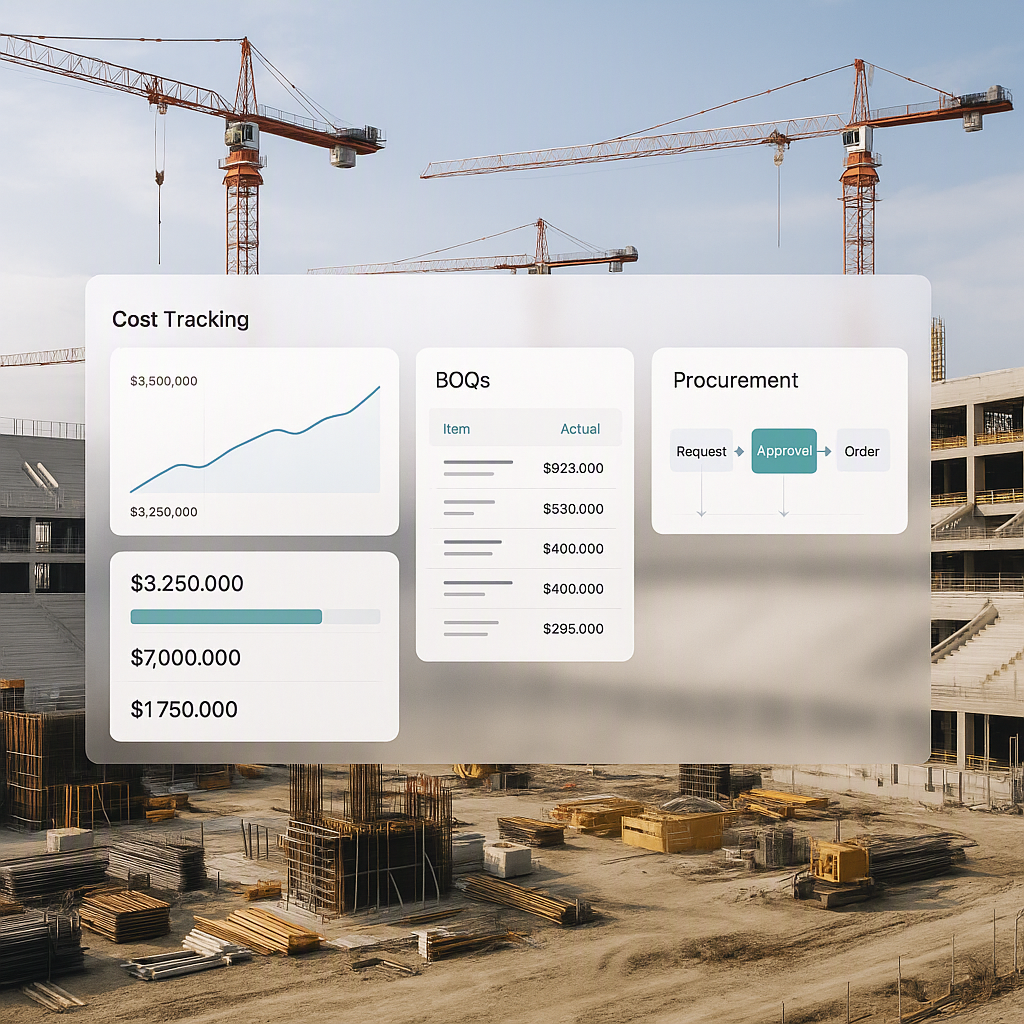
- Measurement-Based Progress Tracking: Subcontractors log completed work daily, creating measurement sheets tied directly to payment processes. No missing progress reports.
- Approval Chains: Work orders aren’t issued until budgets, scopes, and progress are fully approved. Unauthorized commitments are prevented at the source.
- Vendor Qualification: Circulating RFPs to multiple subcontractors ensures competitive pricing, but only qualified vendors make the shortlist.
Actionable Steps to Improve Workflows
- Daily Check-ins: Require subcontractors to submit daily progress updates. This keeps teams accountable and avoids surprises.
- Automated Alerts: Use tools like JobNext to set automated reminders for approvals. Reduce the risk of forgotten tasks.
- Centralized Documentation: Store all contracts, scope changes, and progress reports in a shared platform to eliminate confusion.
- Pre-Qualification: Vet subcontractors before issuing RFPs to ensure they meet your project standards.
- Scope Control: Implement a clear process for documenting and approving scope changes.
Industry Trends and Challenges
The demand for faster data center construction is skyrocketing. According to a report by McKinsey, the industry faces significant labor shortages during construction phases, where skilled workers are most needed. This shortage, coupled with high turnover rates, directly impacts safety and project delivery timelines. Additionally, the Accenture "Data Center Trends 2026" report highlights that future success will depend on adaptability and sustainability as contractors work under grid and resource constraints.
By 2026, construction firms will need to embrace tighter schedules and higher power density requirements, as noted in Accenture’s analysis. These evolving challenges are opportunities for innovation, especially when contractors integrate disciplines and scale globally.
What Being Wrong Cost
Believing complexity was the core issue meant I ignored simpler fixes. It wasted time and resources. Worse, it made every delay feel inevitable. The truth is, delays aren’t inevitable. They’re the result of poor systems.
Financial and Operational Costs of Mismanaged Workflows
- Budget Overruns: Idle subcontractors still cost money. If an HVAC crew is stalled for three days, you're paying for lost time.
- Extended Timelines: A delay in one phase often snowballs into delays across the project.
- Reputation Damage: Missed deadlines harm your credibility, especially in competitive industries like data center construction.
- Team Burnout: Poor workflows lead to constant firefighting, which exhausts your team.
Limits of Automation
Here’s what I’m still unsure about: how far automation can go without introducing new risks. For example, automated measurements sound great in theory, but can they handle edge cases like scope creep or material discrepancies? I don’t know yet.
Comparison Table: Traditional Workflow vs. Optimized Subcontractor Workflow
| Feature | Traditional Workflow | Optimized Workflow (e.g., JobNext) |
|---|---|---|
| Approval Chains | Often manual and prone to delays | Automated with alerts and reminders |
| Measurement Tracking | Weekly or monthly updates | Daily updates tied to payment processes |
| Vendor Qualification | Based on familiarity, not objective criteria | Pre-qualified vendors via structured RFPs |
| Scope Changes | Documented inconsistently | Centralized system for real-time updates |
| Documentation | Siloed and scattered across teams | Centralized platform accessible to all |
Call to Action
If subcontractor delays are stalling your data center projects, JobNext can help. Get started free →