Contractors Are Bleeding Margins — Here's Why
Margins in construction are tight. Everyone knows that. What most contractors don’t realize? They’re losing profits in small, preventable ways — every single day. Missed billing deadlines. Poor cost tracking. Procurement approvals stuck in email limbo. Sound familiar?
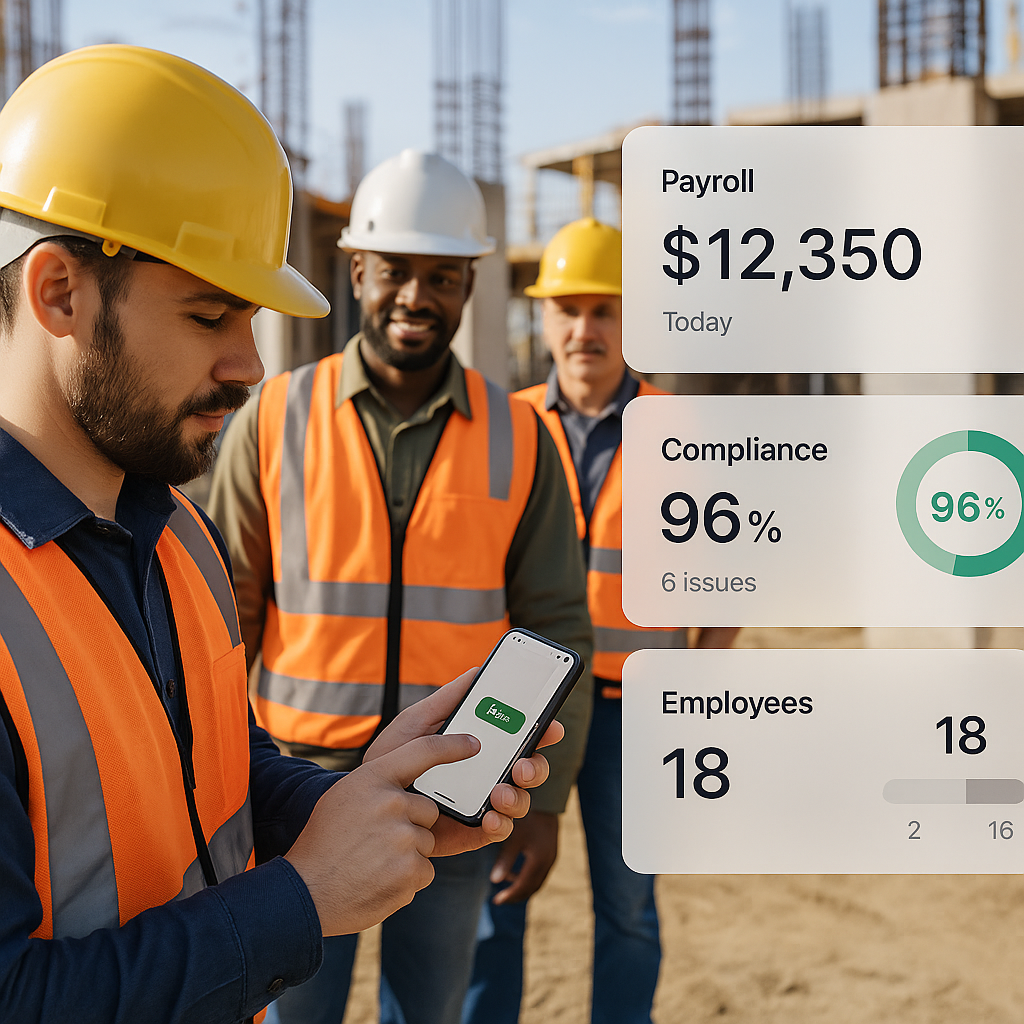
We worked with one mid-sized contractor in India (150 employees, 12 active projects). They thought their margins were fine because their projects stayed on budget. But once we dug deeper, we found revenue leaks everywhere. Delayed RA bills meant cash flow gaps. Vendor POs exceeded estimates because procurement wasn’t tied to their BOQs. And don’t even get me started on their labor costs — payroll errors cost them ₹8 lakhs in one quarter alone.
If this sounds like your business, it’s not your fault. You’re probably juggling Excel sheets, WhatsApp messages, and a dozen disconnected tools. It’s chaotic. But it doesn’t have to be.
How Cloud ERP Stops the Leakage
Let’s talk solutions. Specifically, why cloud ERP for contractors in India is no longer optional if you’re serious about growth.
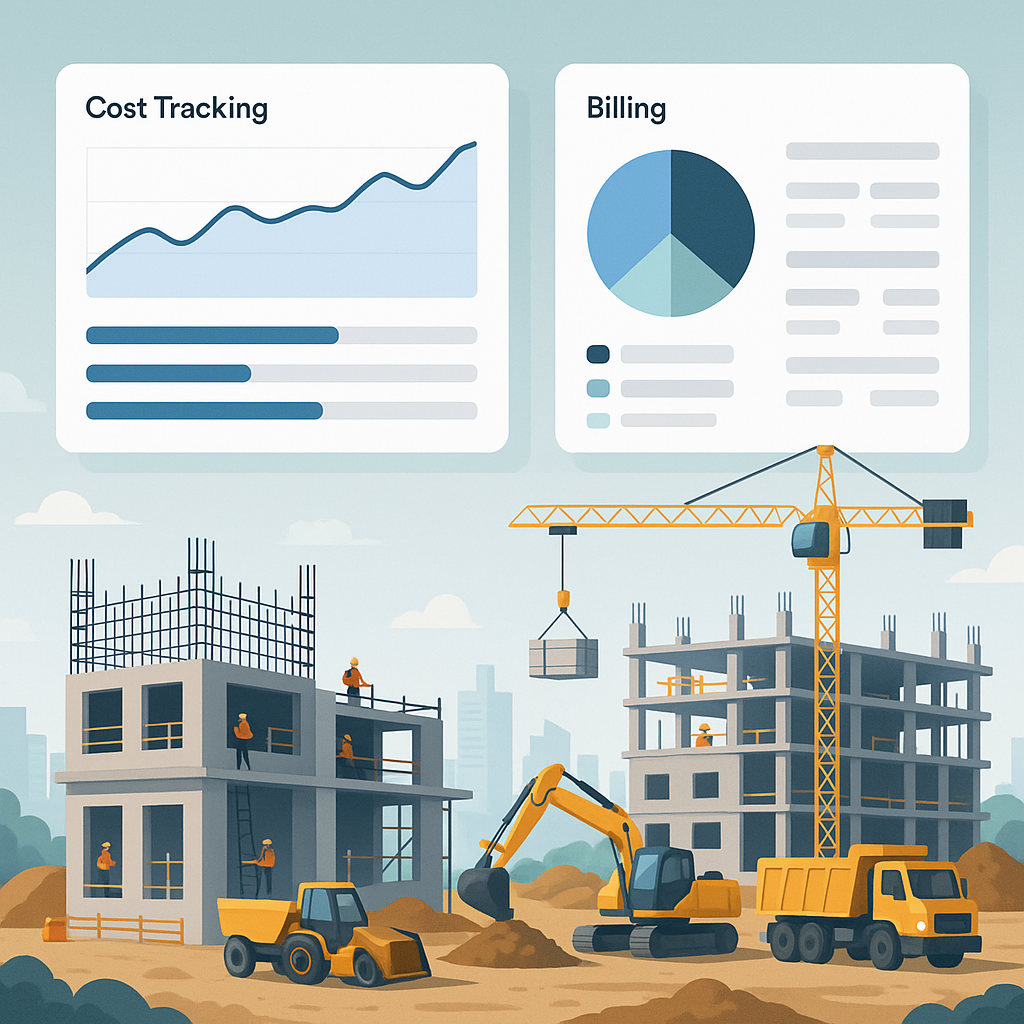
The biggest advantage? Real-time cost tracking. Let me break that down.
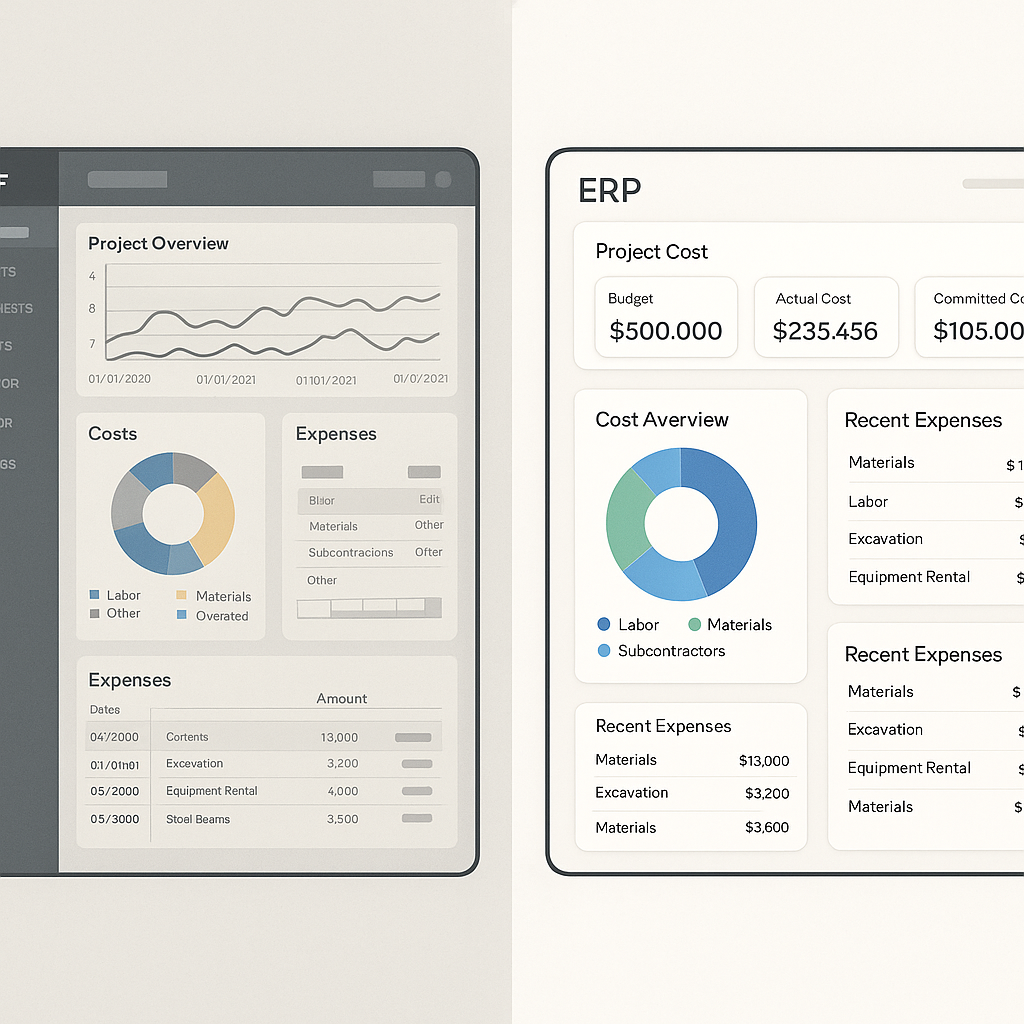
In a cloud ERP like JobNext, every project starts with a BOQ. This isn’t just a static document. It’s a live, trackable framework. Every MR (Material Request), vendor RFQ, and subcontractor work order feeds into it. So when you approve a PO, you instantly see how it impacts your project’s profitability. No more waiting till month-end to realize you’ve overshot the budget.
Here’s a concrete example: One of our clients in the GCC — an MEP contractor running 20+ projects — reduced procurement overspend by 12% in the first quarter of using JobNext. Why? Because their procurement team couldn’t approve a single PO unless it matched the BOQ estimate. No emails. No manual checks. Just automated controls.
Think about what that means for your bottom line over a year.
What About Billing?
Billing is another area where contractors lose money. Most companies use 1-2 billing methods. But construction doesn’t work like that. Some projects need RA bills. Others are milestone-based. With JobNext, you get six billing methods built in. RA bills, stage-wise, monthly, BOQ supply, combined, one-time — it’s all there.
And it’s not just about flexibility. It’s about ensuring nothing falls through the cracks. A missed invoice is missed revenue. One client told us they recovered ₹20 lakhs in unbilled work just by switching to JobNext. Why? Because the system flags pending bills automatically.
The Obvious Objection: Cost
You might be thinking, "This sounds great, but cloud ERP is expensive." I get it. I’ve heard this from many contractors. But let me ask you this: How much are you losing today because of inefficiencies? ₹10 lakhs a year? ₹50 lakhs?
For most mid-sized contractors, the ROI on cloud ERP is undeniable. In fact, many of our clients see payback within the first 6 months. Source: JobNext Blog
And if you’re worried about the learning curve, don’t be. Platforms like JobNext come with dedicated onboarding support. Your team doesn’t need to be tech-savvy to get started.
The Bottom Line
If you’re serious about growing your construction business, you need better control over your costs. Cloud ERP isn’t just a tool — it’s a necessity. Whether it’s real-time cost tracking, automated billing, or procurement workflows, it’s the difference between surviving and thriving.
Want proof? Try JobNext for free. No credit card, no risk. Just results.