Why Contractors Can't Afford Margin Erosion
Let's face it — construction projects almost never go exactly as planned. Material costs spike unexpectedly. Subcontractors run late. Equipment sits idle. And before you know it, your project costs are eating into your margins faster than you can bill.
Don’t take my word for it. A McKinsey study found that large projects typically exceed budget by 80% and run 20% longer than scheduled. If you're a small-to-mid-size contractor, those numbers aren't just frustrating — they're catastrophic.
You might be thinking, "We already track costs manually or with Excel. Why do we need ERP?" Here's the hard truth: spreadsheets don’t give you real-time visibility. By the time you realize your costs are spiraling, it’s already too late.
How Cloud ERP Stops the Bleed
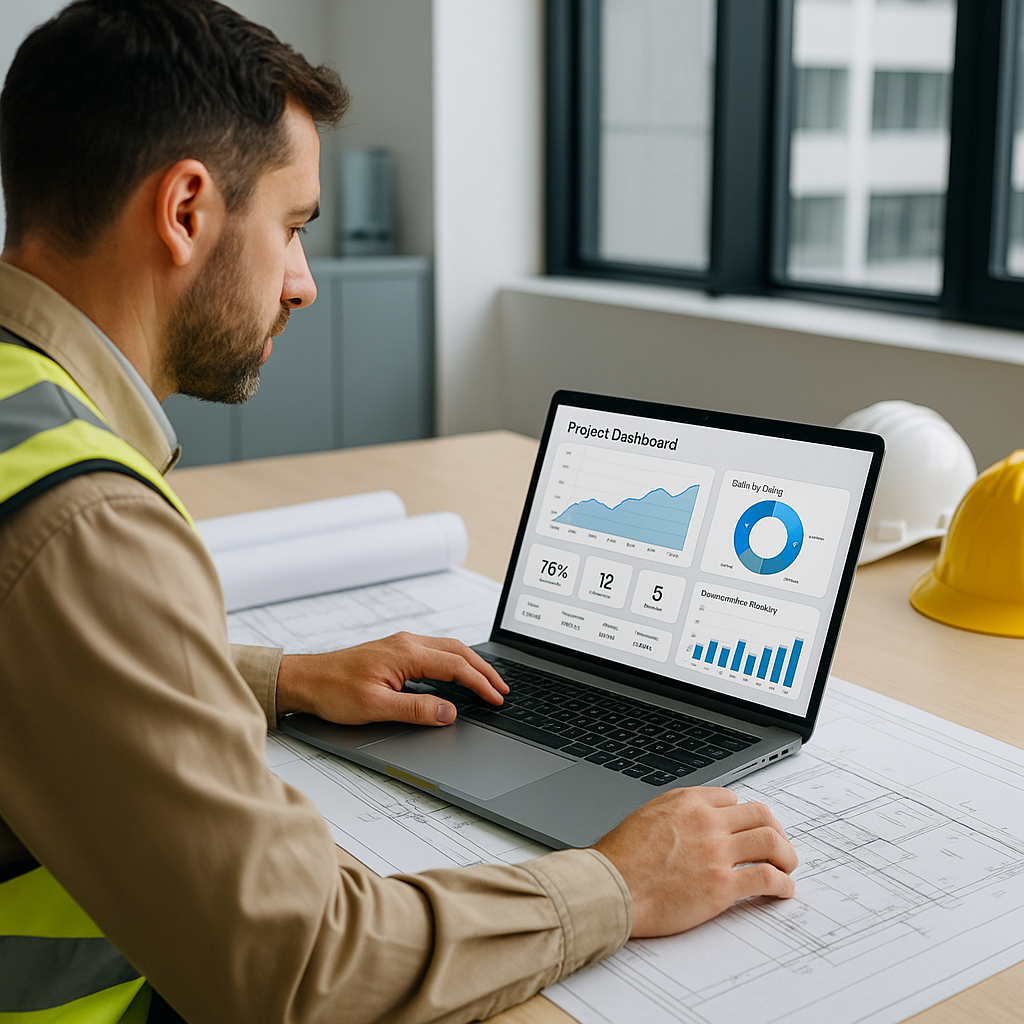
Here's where a tool like JobNext makes a real difference. One of its standout features is real-time project profitability monitoring. Let me explain.
When you're setting up a job in JobNext, you don't just create a BOQ or work breakdown structure. You assign costs to every resource — materials, labor, equipment, even subcontractors. As your project progresses, JobNext tracks actual costs against your estimates. No guessing, no surprises.
For example, let’s say you’ve quoted ₹10 lakh for a residential HVAC installation. Materials procurement eats up ₹6 lakh, subcontractor work is ₹2 lakh, and equipment rental is ₹1 lakh. With real-time tracking in JobNext, you’ll know immediately if material costs creep beyond ₹6 lakh. You can adjust before it eats into your margins.
The alternative? Waiting until project closeout to reconcile costs and realizing you lost ₹2 lakh.
What About Billing Gaps?
Another big leak in contractor margins is billing. Missed invoices, incorrect quantities, or mismatched billing methods can cost thousands. JobNext handles this with six billing methods — RA Bills, stage-wise, monthly, supply BOQ, combined, and one-time — so you don’t leave money on the table.
And it’s not just about invoicing correctly. JobNext’s workflows ensure every billing step is tied to actual progress, so you’re paid for the work done, no more, no less. Construction Dive reported that 35% of contractors struggle with cash flow due to delayed payments. With structured billing workflows, you can reduce those delays significantly.
Why Cloud ERP, Specifically?
Cloud ERP isn’t just software; it’s flexibility. Traditional ERP systems often require expensive on-premise installation and maintenance. That’s unrealistic for smaller contractors. Cloud ERP tools like JobNext give you instant access anywhere — whether you're in an office in Mumbai or on-site in Riyadh.
And it scales as you grow. Managing five projects today? Great. What happens when you take on ten next year? With cloud ERP, you don’t have to overhaul your systems or hire additional admin staff. You just keep working.
The Bottom Line
If you’re serious about growing your contracting business, you can’t ignore margin erosion. You need real-time data to make informed decisions before it’s too late. Cloud ERP isn’t just a nice-to-have; it’s a must-have.
JobNext’s profitability tracking isn’t magic, but it’s the closest thing to it. If you're still relying on spreadsheets, ask yourself — how much longer can you afford to lose money?
Want to see it in action?
Start your free trial today. No credit card required.