I Used to Think Data Centers Were Just Another Niche Construction Market
For years, I saw data centers as a specialized market—relevant for large tech firms but far removed from everyday contracting. Sure, they needed HVAC and electrical work, but it felt like a game for the big players. Not the kind of work your average contractor in the Gulf or India would touch. Energy efficiency? Sustainability? Those were buzzwords more than actual business drivers for us.
The Thing That Changed It: The 2030 Energy Projection
Then I came across a report from the IEA earlier this year: US data center electricity use could more than double by 2030, driven by cloud expansion, AI workloads, and edge computing. That’s not a small number. We’re talking gigawatts of demand, enough to strain grids and force massive shifts in how these facilities are built.
What really caught my attention, though, was the ripple effect for contractors. It’s not just about power. These buildings are getting more complex: liquid cooling systems, on-site renewables, modular designs, and tighter energy codes. The traditional approach of "build it cheap, deal with the utilities later" isn’t going to cut it anymore.
Why My Old Belief Lasted So Long
To be fair, the old mindset wasn’t baseless. Most contractors stick to what they know. If your bread and butter is residential MEP or commercial fit-outs, why would you chase data center projects? The margins seemed thin, the clients demanding, and the bidding process opaque. Plus, in markets like the GCC, skyscrapers and infrastructure projects soak up most of the attention.
The other issue? Fragmented systems. When your procurement is on spreadsheets and your project tracking happens over WhatsApp, tackling a high-stakes project like a data center feels overwhelming. Contractors often lose bids because they can’t compile a clean Bill of Quantities (BOQ) or manage the complexity of specialized materials and workflows.
What I Do Differently Now
Here’s what changed for me: I started looking at data centers as a systems problem, not just a construction job. If you’ve got the right tools and workflows, these projects are far less intimidating. Let me break down the actionable steps that made a difference:
1. Structured Procurement Workflow
Procurement for data centers requires precision. You’ll be sourcing specialized materials like high-efficiency chillers, fire-rated cables, and custom panelboards—items that can’t be substituted easily. Using a structured workflow ensures nothing falls through the cracks:
- Step 1: Material Requisition (MR): Start by creating detailed requisitions based on the project design and bill of quantities. Include specifications for specialized items.
- Step 2: Request for Quotation (RFQ): Send RFQs to pre-vetted vendors with clear specifications. Highlight compliance requirements such as energy efficiency or fire ratings.
- Step 3: Vendor Offers: Compare offers side-by-side based on price, delivery timelines, and compliance. Consider the long-term reliability of vendors, especially for critical components.
- Step 4: Purchase Order (PO): Standardize the approval process before issuing POs to avoid overspending or errors. Use software to track all purchase orders centrally.
Modern procurement software can streamline these steps, reducing inefficiencies and ensuring compliance. For example, tools like Procore or SAP Ariba can manage vendor communication and automate repetitive tasks like RFQs.
2. Real-Time Cost Tracking
Data center projects often operate on tight margins. Real-time cost tracking tools allow contractors to monitor profitability at every stage. Here’s how you can implement this effectively:
- BOQ Margin Reports: Break down costs line by line, scope by scope, so you can identify problem areas early. Ensure the data is accessible to project managers and procurement teams.
- Variance Analysis: Compare actual costs against estimated costs across labor, materials, and equipment. Highlight discrepancies immediately and adjust workflows accordingly.
- Forecast Adjustments: Predict future costs based on current trends. This is especially useful for long-duration projects where price fluctuations in materials like copper or steel can impact budgets.
Options like Oracle Primavera or Buildertrend offer robust cost tracking features tailored for construction projects, including data centers.
3. Specialized Training and Hiring
To succeed in the data center market, you need a team that understands the technical requirements. Key areas to focus on include:
- Energy Codes: Train your team on regional energy standards and how they apply to data centers. For example, the ASHRAE 90.4 standard specifically addresses data center energy efficiency.
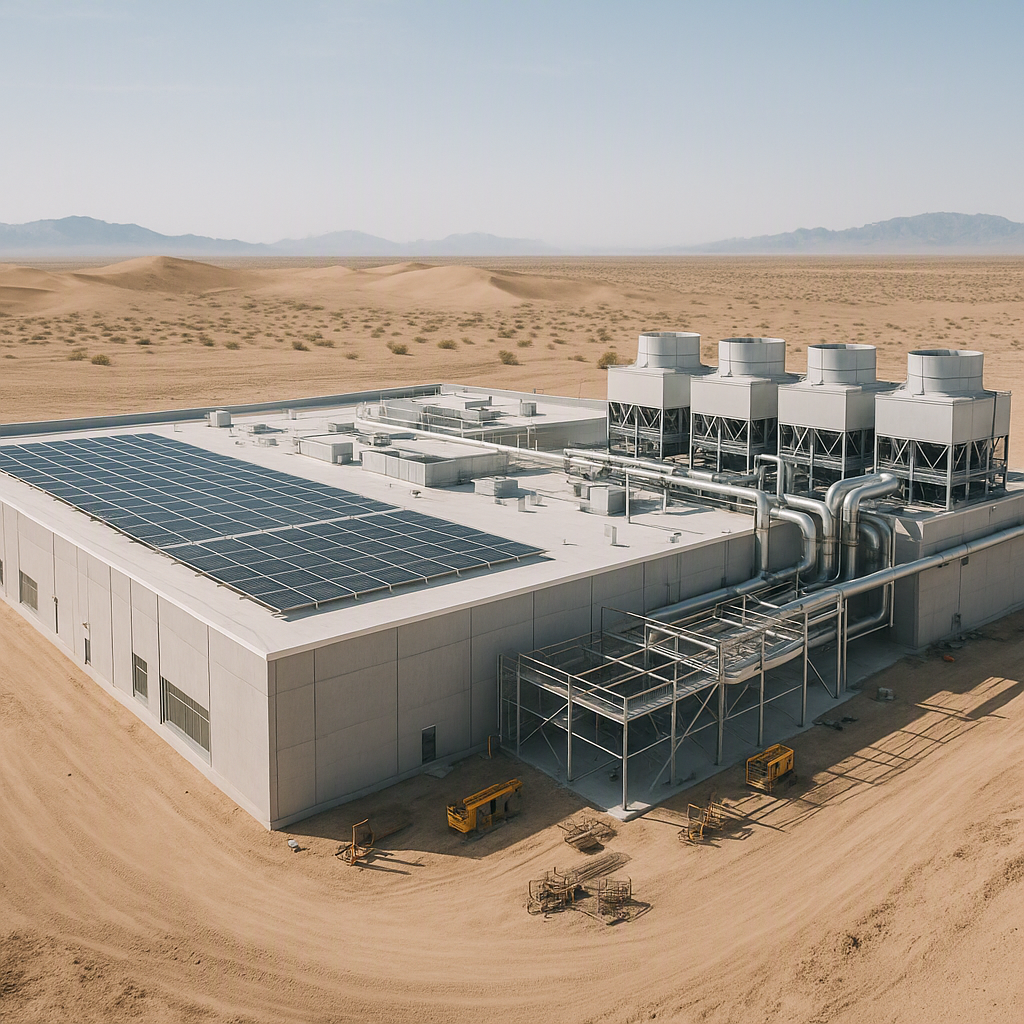
- Cooling Systems: Liquid cooling, air economizers, and other advanced systems are increasingly common. Provide hands-on training or certifications in these areas.
- Modular Construction: Prefabricated modules reduce construction time but require different workflows. Familiarize your teams with the logistics and assembly processes.
If training your existing staff isn’t feasible, consider bringing in subcontractors with niche expertise. Platforms like LinkedIn or specialized recruitment agencies can help source talent.
Lessons Learned from Market Challenges
Ignoring the data center market can be expensive. Contractors often lose out on bids because they don’t adapt to the specific requirements of these projects. Here are key lessons:
1. Energy Efficiency is Non-Negotiable
Clients expect energy-efficient designs. Failing to meet these standards can disqualify bids or result in penalties. For instance, integrating high-efficiency cooling systems and LED lighting is now standard practice.
2. Renewables Add Complexity
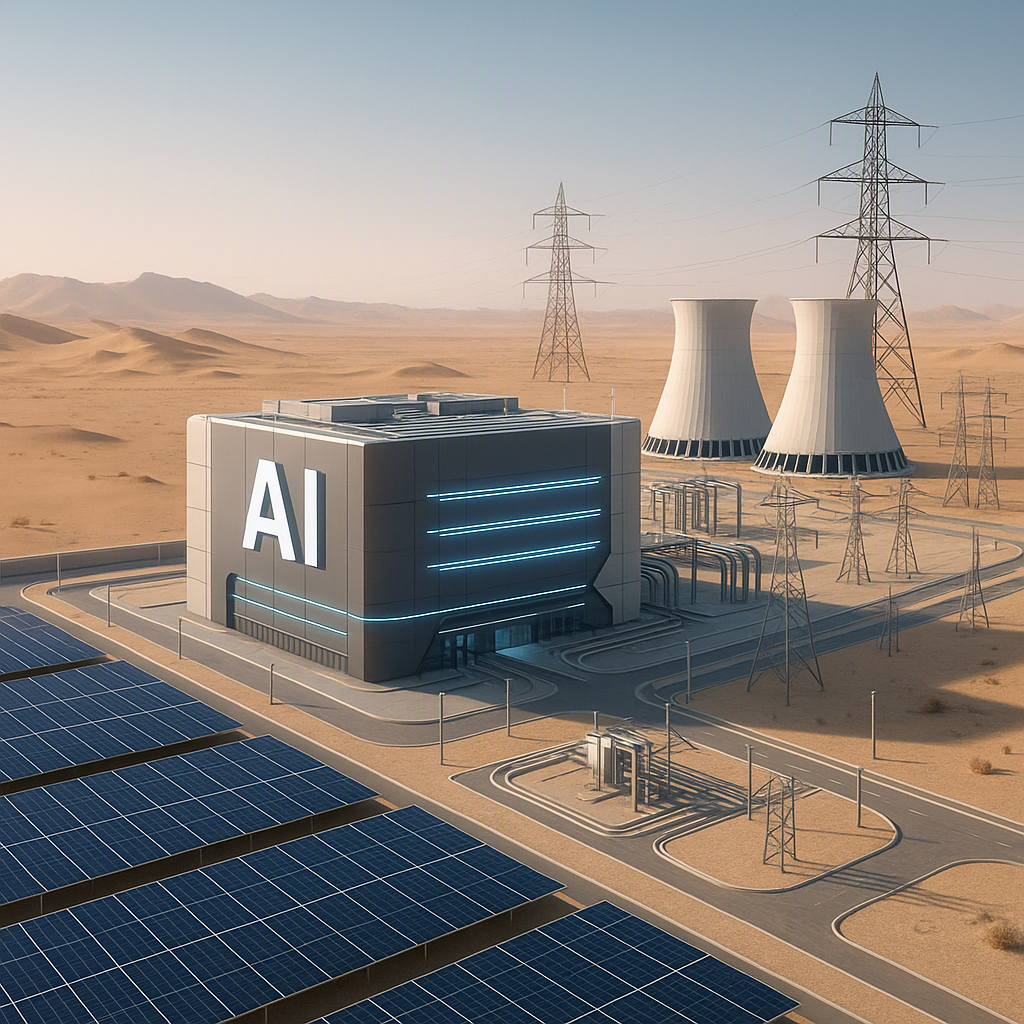
On-site renewables like solar and battery storage are becoming common, especially for facilities aiming for carbon neutrality. This requires new expertise in:
- Hybrid Systems: Combining traditional electrical infrastructure with renewable energy sources.
- Energy Modeling: Accurate simulations of energy use are critical for bidding and compliance. Tools like EnergyPlus can help with simulations.
3. Documentation Matters
Data center clients demand detailed proposals that include cost breakdowns, timelines, and energy performance metrics. If your quoting process is manual or inconsistent, you’re at a disadvantage. Transitioning to digital tools like estimating software or project management platforms ensures consistency and professionalism.
Why This Matters for Gulf and Indian Contractors
You might be thinking, "This is all very US-centric. What does it have to do with me?" Here’s the thing: the demand for data centers isn’t just a US story. The GCC and India are seeing their own boom in data center construction, driven by increasing internet penetration, cloud adoption, and digital transformation.
These markets come with their own challenges—like extreme heat, sandstorms, and unreliable grids—but the principles are the same. Energy efficiency is no longer optional. Clients want contractors who can deliver buildings that meet stringent performance standards. Contractors who can adapt to these demands will be better positioned to win bids and deliver successful projects.
Comparison Table: Traditional vs Modern Data Center Construction Workflows
| Aspect | Traditional Workflow | Modern Workflow |
|---|---|---|
| Procurement | Manual POs, inconsistent specs | Structured MR > RFQ > PO |
| Cost Tracking | Reactive, post-project audits | Real-time tracking with variance analysis |
| Energy Efficiency | Minimal focus | Core design principle |
| Documentation | Basic quotes | Detailed proposals with metrics |
| Team Expertise | Generalist labor | Specialized training in energy codes and cooling systems |
Call to Action
If you’re ready to tackle the complexity of data center projects, modern tools and workflows can help. From structured procurement to real-time cost tracking, these solutions give you the tools to compete effectively in this growing market.