Data centers are everywhere right now. If you’re in construction, you’ve probably felt the shift. In the last few years, they’ve gone from being niche projects to dominating economic reports on new builds. But why? And more importantly, what does that mean for contractors trying to stay competitive in 2024 and beyond?
The Data Center Boom: A Quick Overview
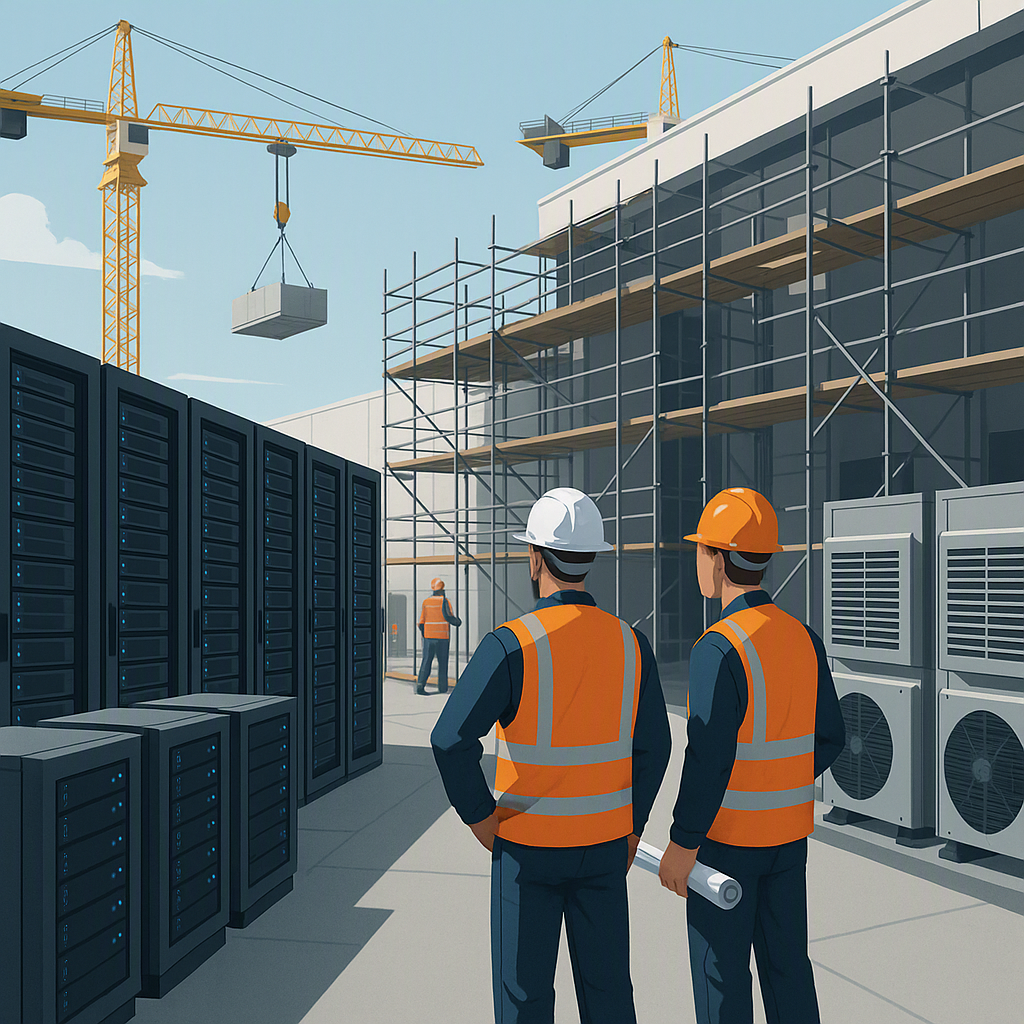
Let’s start with the basics. Data centers are the backbone of our digital world. Streaming services, cloud storage, IoT devices, AI—none of it works without rows of servers humming away in temperature-controlled warehouses. According to Statista, the global data center construction market is projected to grow to over $58 billion by 2025. That’s a massive opportunity for contractors, but it’s not as simple as throwing up four walls and a roof.
Why are data centers tricky to build?
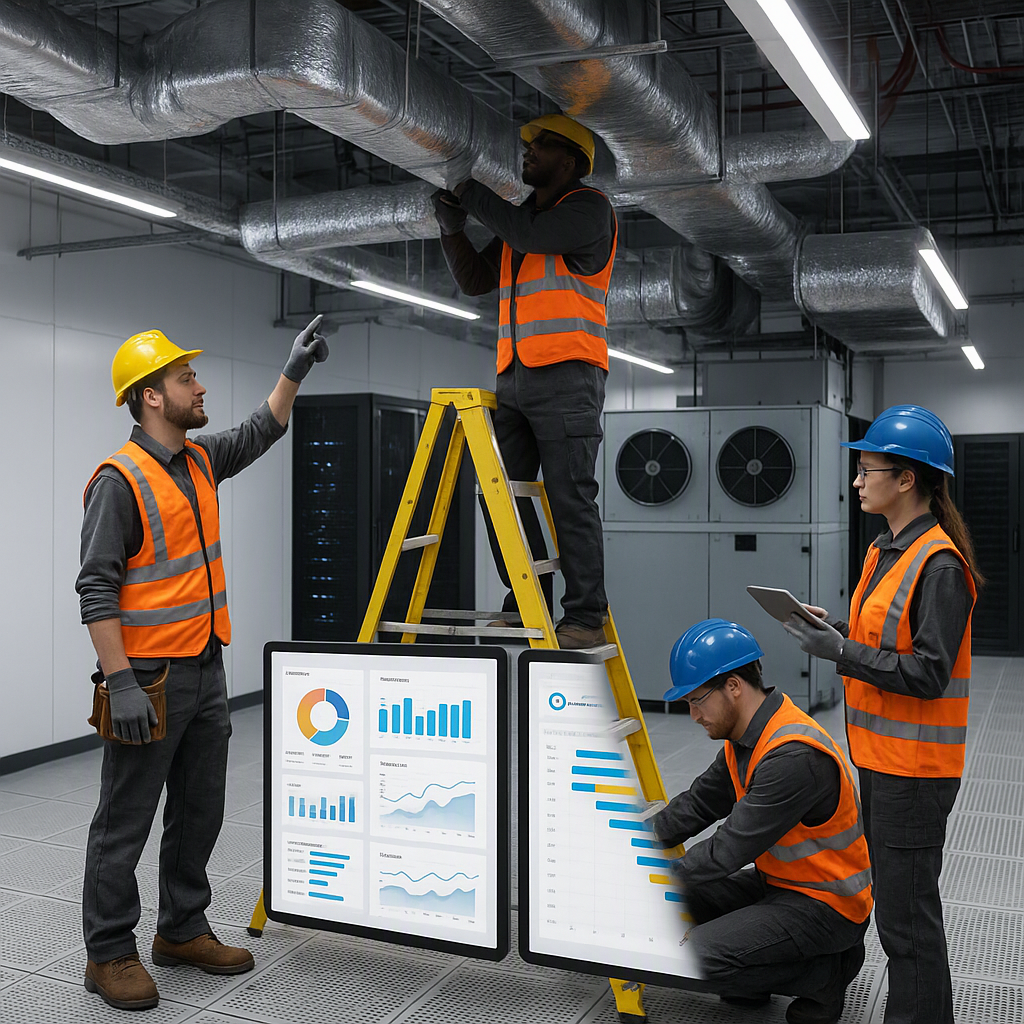
For one, they’re not your typical construction project. Data centers require specialized design for power efficiency, cooling systems, and physical security. Then there’s the issue of scale. These projects are often massive, involve multiple stakeholders, and come with tight deadlines.
The Problem: Cost Overruns and Profit Erosion
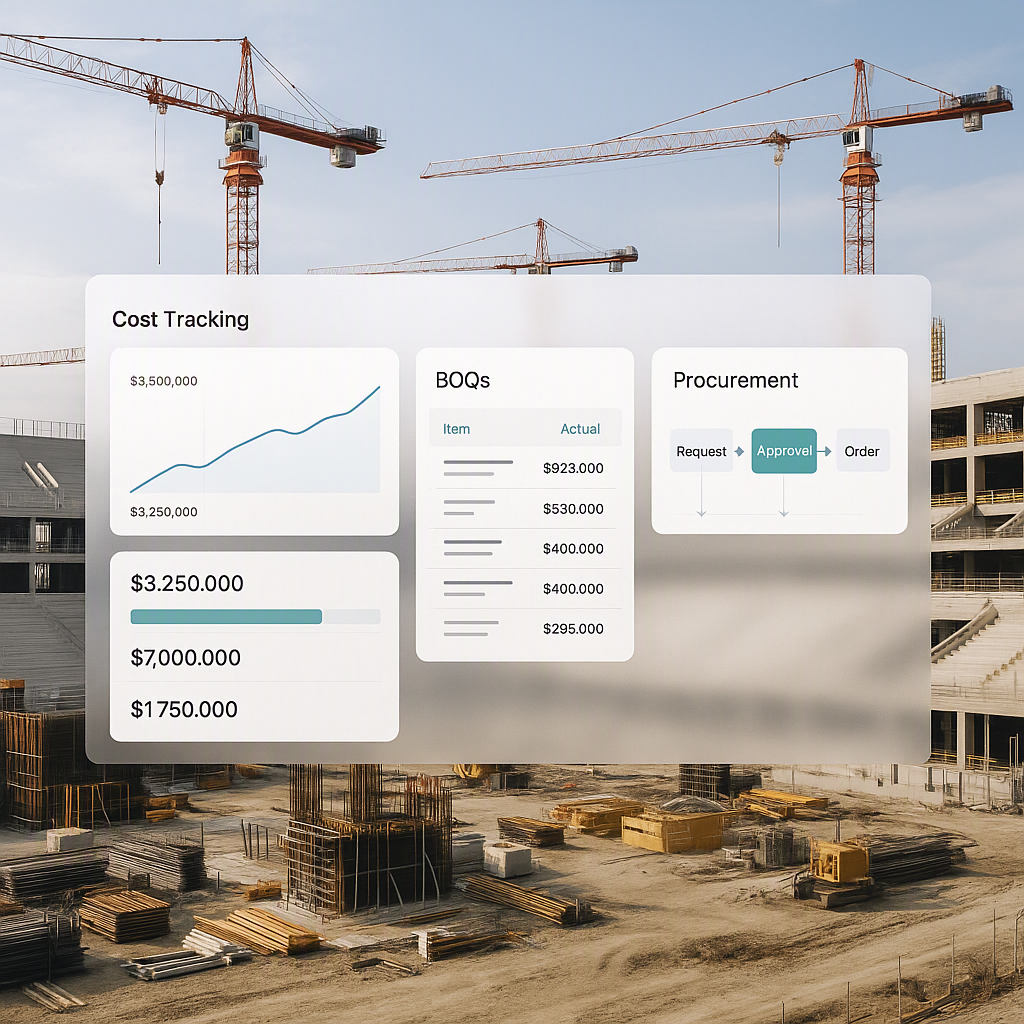
Here’s the kicker: while data centers are booming, they’re also notorious for cost overruns. Why? Because they’re complex, and complexity is expensive. Delays in procurement, mismanagement of subcontractors, or even minor errors in BOQ (Bill of Quantities) can quickly eat into your margins. This isn’t just anecdotal; it’s a common challenge faced by contractors in the industry.
The Old Way: Why We Used to Ignore This
Let’s be honest. For years, we managed construction projects with spreadsheets, emails, and a lot of phone calls. It worked well enough for smaller projects. But data centers? They throw a wrench into the old ways. The sheer scale and complexity mean you can’t afford to miss a single detail.
I used to think keeping a mental checklist of tasks and relying on my team’s experience would be enough to navigate these projects. After all, we’ve been building warehouses and office complexes for decades. What’s the difference?
The difference is precision. Data centers don’t have room for guesswork. Specialized HVAC systems, backup generators, and ultra-tight security protocols demand exacting standards. And when you’re working with razor-thin margins, even a tiny slip—like underestimating equipment depreciation or mismanaging machine allocations—can cost you big.
What Changed My Mind
Illustrative example — On one project, we had a fleet of heavy machines—cranes, concrete mixers, and excavators—spread across multiple job sites. The project manager decided to keep track of the machinery allocation manually. This led to overcommitting the same equipment to two different sites, causing delays and additional costs. This experience highlighted the need for better resource tracking and management tools, especially for specialized projects like data centers.
What We Do Differently Now
First, we track everything in real-time. Resource management tools can help track machine-to-job allocations, utilization rates, and costs. This minimizes the risk of double-booking equipment or leaving machines idle on the wrong site.
Second, we’ve embraced BOQ Margin Analysis. This involves breaking down profit margins by comparing contracted values against actual costs—labor, materials, equipment, and more. This approach helps avoid underbidding and identifies which line items are impacting margins.
And let’s not forget the importance of planning labor requirements. Data centers often need specialized skills—think electrical engineers or HVAC technicians. Using tools like labor requirement calendars can help plan staffing needs across multiple sites, ensuring teams are adequately resourced.
What We’re Still Figuring Out
Here’s the thing though: no system is perfect. Even with all this data, there’s still a human element. Do you know how hard it is to get subcontractors to stick to timelines? Or how unpredictable material costs can be when you’re sourcing specialized components?
And then there’s the learning curve. Not everyone on your team will embrace new software. Some will resist, others will say they “don’t have time” to fill in the data. It’s a battle, but one worth fighting.
Why This Matters
The bottom line? Data centers are here to stay. They’re driving demand in the construction industry, but they’re also raising the stakes. If you’re still running your projects on spreadsheets and phone calls, you’re playing a dangerous game. The margins are too thin, the timelines too tight, and the clients too demanding.
If you’re dealing with cost overruns or struggling with resource allocation, exploring structured project management tools could help streamline your processes and improve outcomes.