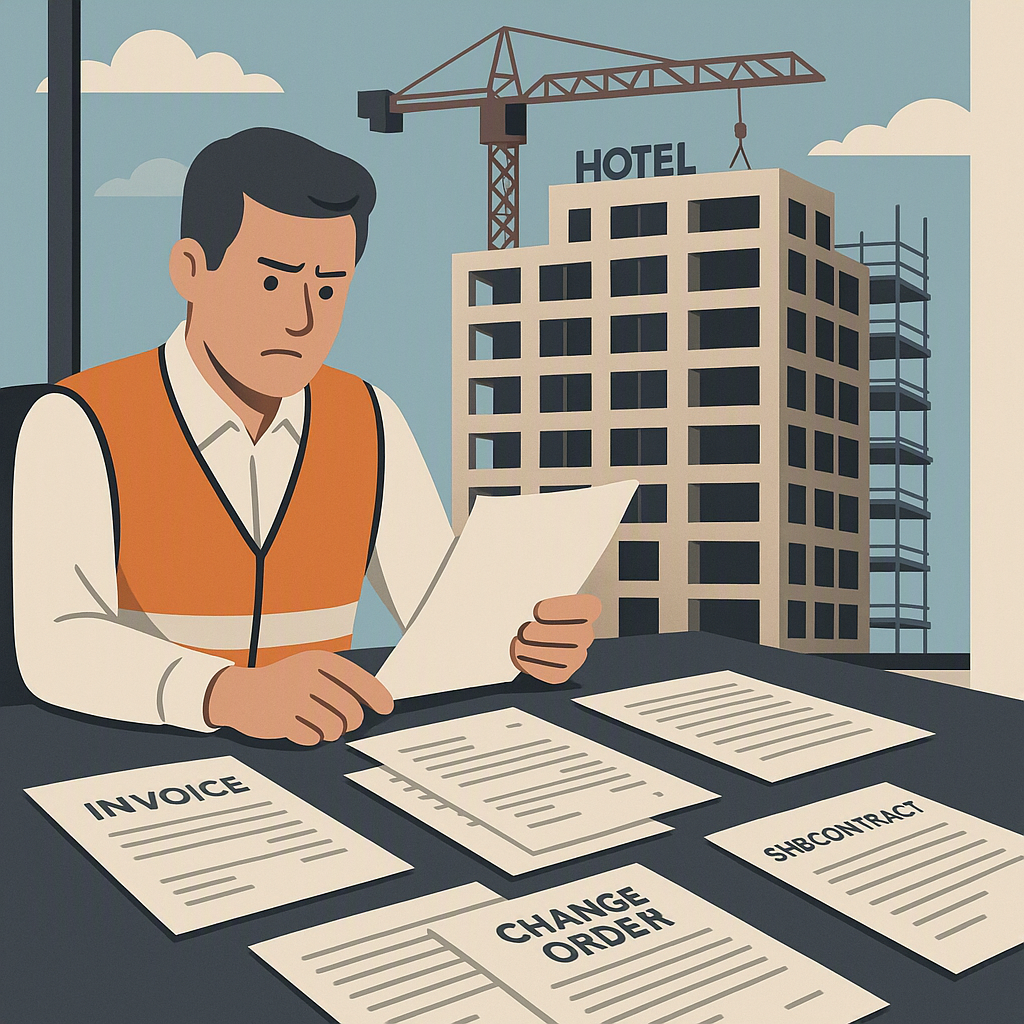
Why Vendor Evaluation is the Key to Margin Control
Let’s face it. Margins in construction are razor-thin. A single bad procurement decision — the wrong vendor, an overlooked clause — can shred your profits faster than you can say 'variation order.' Yet, many contractors in India and the GCC still rely on ad-hoc vendor selection processes. Why? Because evaluating vendors properly takes time, and when site engineers are screaming for action, shortcuts happen.
But shortcuts cost. Late deliveries disrupt schedules. Subpar materials lead to rework. And vendors who offer the lowest bid? They often come with hidden costs: mobilization delays, safety violations, or disputes over unclear scopes. These issues are common in the industry.
So, how do you fix this? By making vendor evaluation a structured, repeatable process. Let’s explore the essentials.
The Core of a Good Vendor Evaluation Process
The goal isn’t just to pick the cheapest vendor. It’s to select the one who’ll deliver what you need, when you need it, without blowing your budget or timeline. Here’s how:
1. Total Landed Cost Matters More Than Price
Don’t stop at the quoted price. Look at the total landed cost — the all-in cost of working with that vendor. This includes:
- Transportation or mobilization fees
- Retention money and advance recovery terms
- Safety compliance costs (e.g., insurance, certifications)
Illustrative example — A vendor might quote lower, but if their mobilization is delayed, you could incur additional costs due to idle manpower and equipment. Breaking down all costs ensures you’re comparing options accurately.
2. Technical Capability is Non-Negotiable
Price means nothing if the vendor can’t deliver. Always vet their technical capabilities:
- Do they have the right tools, equipment, and workforce?
- Have they delivered similar projects before?
- Can they meet your timeline?
A quick call to past clients can reveal whether a vendor consistently meets deadlines or if they cut corners. It’s worth the time.
3. Track Past Performance
You wouldn’t hire an employee without checking their résumé. So why gamble with a vendor who might have a history of disputes, safety violations, or over-budget projects?
Maintain a performance database for every vendor. Track quality, timeliness, safety compliance, and even disputes. This ensures you’re not relying on memory or hearsay when it’s time to evaluate bids.
4. Document Your Decision
Here’s a pro tip: Always document the rationale behind your vendor choice. This isn’t just good governance; it’s protection. If a project gets audited or a dispute arises, you’ll have a clear record of why one vendor was chosen over another.
Documenting your decisions ensures transparency and accountability, which are critical for long-term success.
Using Structured Procurement Chains to Avoid Chaos
A proper vendor evaluation process lives or dies by the workflows you enforce. A structured procurement chain can bring order to chaos:
- Work Requisition (WR): Before you even approach vendors, define your scope and get budgets approved. No scope, no WR.
- Request for Proposal (RFP): Send structured RFPs to at least three vendors. Include detailed work items, timelines, and compliance requirements.
- Comparative Statement: Evaluate proposals across all factors — price, capability, timeline, past performance, and payment terms.
- Work Order (WO): Issue a formal WO with recovery provisions (advance, retention, liquidated damages). No vague agreements.
- Measurement Sheets: Payments are tied to approved measurements. No measurement, no payment.
This chain ensures accountability at every step. No approvals? No progress to the next stage. It’s that simple.
Common Pitfalls (and How to Avoid Them)
Even with a solid system, mistakes happen. Here are the top pitfalls we see and how to avoid them:
1. Rushing the RFP Process
Giving vendors only a few days to respond? You’re asking for inflated prices or incomplete bids. For complex scopes, allow sufficient time. This gives vendors time to visit the site, assess the work, and prepare detailed proposals.
2. Ignoring Budget Variances
When a bid comes in way over budget, don’t just reject it. Investigate. Was the original estimate flawed? Are there scope gaps? Addressing these issues early can prevent costly mistakes later.
3. Overlooking Compliance
Always check safety certifications, insurance coverage, and labour compliance. A single non-compliant vendor can bring your entire project to a halt during inspections.
4. Skipping Post-Work Reconciliation
Once work begins, it’s easy to lose track of material usage or subcontractor progress. Regularly reconcile material and labour to prevent disputes later. This step is critical for maintaining control.
FAQ
Q: How do I convince my team to follow a structured procurement process?
Start with the numbers. Show how past procurement mistakes (like delays or disputes) have cost the company. Then, implement tools that make compliance easier.
Q: What if vendors complain about tight payment terms?
Be transparent. Explain why retention and milestone-based payments protect both parties. If needed, negotiate softer terms for proven vendors with strong track records.
Q: Is three bids always enough?
Not always. If you receive fewer than three responses, consider extending the RFP deadline or inviting more vendors. Competitive bidding only works when there’s actual competition.
Conclusion
Vendor evaluation isn’t just a procurement task. It’s a margin protection strategy. And when done right, it doesn’t have to be a headache. Structured processes and tools can streamline the entire process — from RFPs to WOs to reconciliation. If you’re tired of margin erosion, it’s time to rethink how you evaluate vendors.