It’s Not About Features—It’s About Fit
Choosing facilities management software can feel overwhelming. Every platform promises the same buzzwords: "streamline operations," "boost efficiency," "optimize maintenance." But let’s be real—most tools fail because they don’t fit how your business actually works.
The question isn’t, “What’s the best software?” It’s, “What’s the best for us?” Let’s break this down into actionable steps, using real-world insights from JobNext.ai—a facilities management ERP built for contractors in the Gulf and India.
Step 1: Identify Your Core Problems
Software isn’t a magic wand. If you’re buying it without a clear understanding of your pain points, you’re setting yourself up for frustration. Here are the most common problems contractors face when managing facilities:
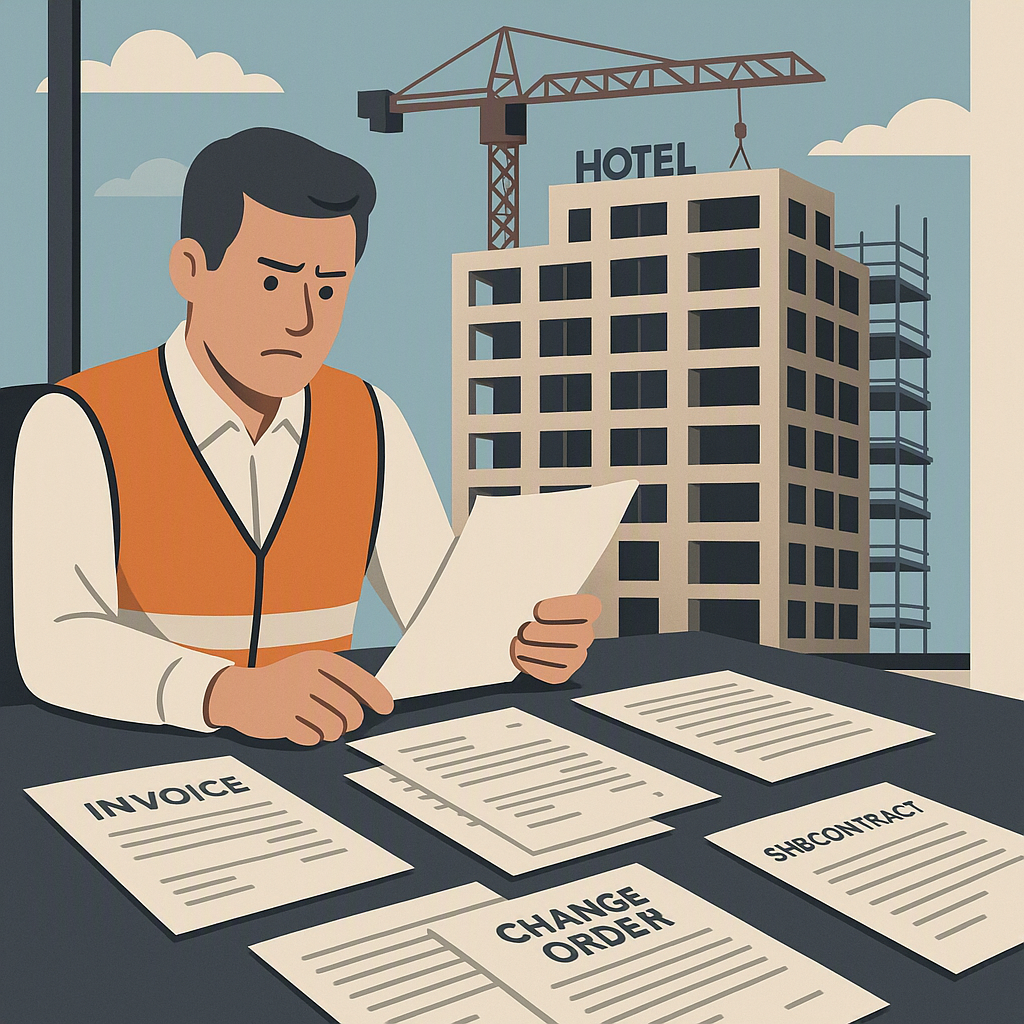
- Revenue leakage in billing: Ever issued an invoice, only to realize later you forgot a line item? Missing even one milestone billing can erode your margins, and manual correction is time-consuming.
- Disorganized procurement: Are material requisitions getting lost in WhatsApp chats or emails? That’s a recipe for delays, cost overruns, and frustrated teams on-site.
- Compliance headaches: Are you worried about missing TDS filings, VAT submissions, or expiring bank guarantees? Regulatory missteps can lead to fines and damage your reputation.
👉 Pro Tip: Make a list of your top 3 operational headaches. For example, if billing errors are draining your profits, or procurement delays are holding up projects, write these down. They’re your starting point for evaluating any software.
Actionable Steps:
- Conduct a team brainstorming session to identify recurring pain points. Use a simple framework like "Problem → Impact → Desired Outcome" to clarify what needs fixing.
- Prioritize problems based on financial impact or operational bottlenecks. If revenue loss is your biggest issue, focus on tools that address billing first.
Step 2: Look for Industry-Specific Tools
Generic ERP platforms can be tempting. They’re often cheaper upfront, and the sales pitch sounds great. But here’s the catch: they’re not built for construction or facilities management.
Take billing as an example. Most off-the-shelf software only handles basic invoices. But if you’re running a contracting business, you need flexibility—RA bills, stage-wise billing, supply BOQ invoicing, or even combined methods. Forgetting one variation means manual workarounds, which defeats the purpose of automation.
What Makes Industry-Specific Tools Different?
Platforms like JobNext are designed with contractors in mind. Here’s what sets them apart:
- Billing Methods: Support for RA bills, milestone payments, and BOQ invoicing.
- Procurement Workflows: Includes RFQs, vendor selection, and multi-level approvals.
- Compliance Tracking: Helps you manage taxes, bank guarantees, and regulatory filings.
👉 Action: Ask vendors, “How does your billing system handle variations like RA bills or milestone payments?” If they don’t know what those terms mean, walk away.
Comparison Table: Generic ERP vs. Industry-Specific FM Software
| Feature | Generic ERP | Industry-Specific FM Software |
|---|---|---|
| Billing Flexibility | Basic invoicing only | RA bills, milestone payments |
| Procurement Workflow | Limited or manual processes | End-to-end automated workflows |
| Compliance Support | Generic tax modules | Construction-specific compliance |
| Multi-Site HR Management | Minimal functionality | Site-specific attendance and payroll |
| Reporting Depth | Basic financial reports | Project profitability, BOQ margins |
Step 3: Evaluate the Procurement Workflow
If your material procurement looks like this—someone sends a WhatsApp, someone else forgets, and the site is stuck waiting for cement—you’re wasting money. A structured procurement workflow is non-negotiable.
In my experience, the best systems follow a clear chain: Material Requisition → RFQ → Vendor Offers → Purchase Order. Each step should have built-in approval mechanisms to avoid costly mistakes. For example, JobNext lets you define multi-level approvals to prevent unauthorized purchases. No more surprise invoices for things you didn’t order.
Actionable Workflow:
Let’s say your site team raises a Material Requisition (MR) for 500 bags of cement. With a tool like JobNext:
- The MR is automatically routed to the project manager for approval.
- Once approved, an RFQ is issued to your pre-qualified vendors.
- Vendor offers are compared side-by-side within the system.
- The best offer is selected, and a Purchase Order is generated.
No emails. No spreadsheets. No confusion.
👉 Checklist item: Does the software support end-to-end procurement workflows, including approvals?
Step 4: Consider Multi-Site HR Management
Facilities management often means teams spread across multiple locations. HR challenges multiply: attendance tracking, payroll compliance, and staff allocation become logistical nightmares.
Here’s where automation can save hours. For example, JobNext’s HR module handles attendance through a mobile app with geo-tagging. Workers clock in and out on-site, and the data flows straight into payroll. No manual reconciliation. No “he said, she said” over hours worked.
Actionable Steps:
- Ensure the HR module supports geo-tagged attendance and site-specific payroll policies.
- Check if the system integrates with your existing payroll software to avoid duplicate data entry.
👉 Red flag: If a vendor’s HR module doesn’t support site-specific payroll policies, skip them. Paying overtime or allowances wrong can land you in legal trouble.
Step 5: Don’t Overlook Reporting
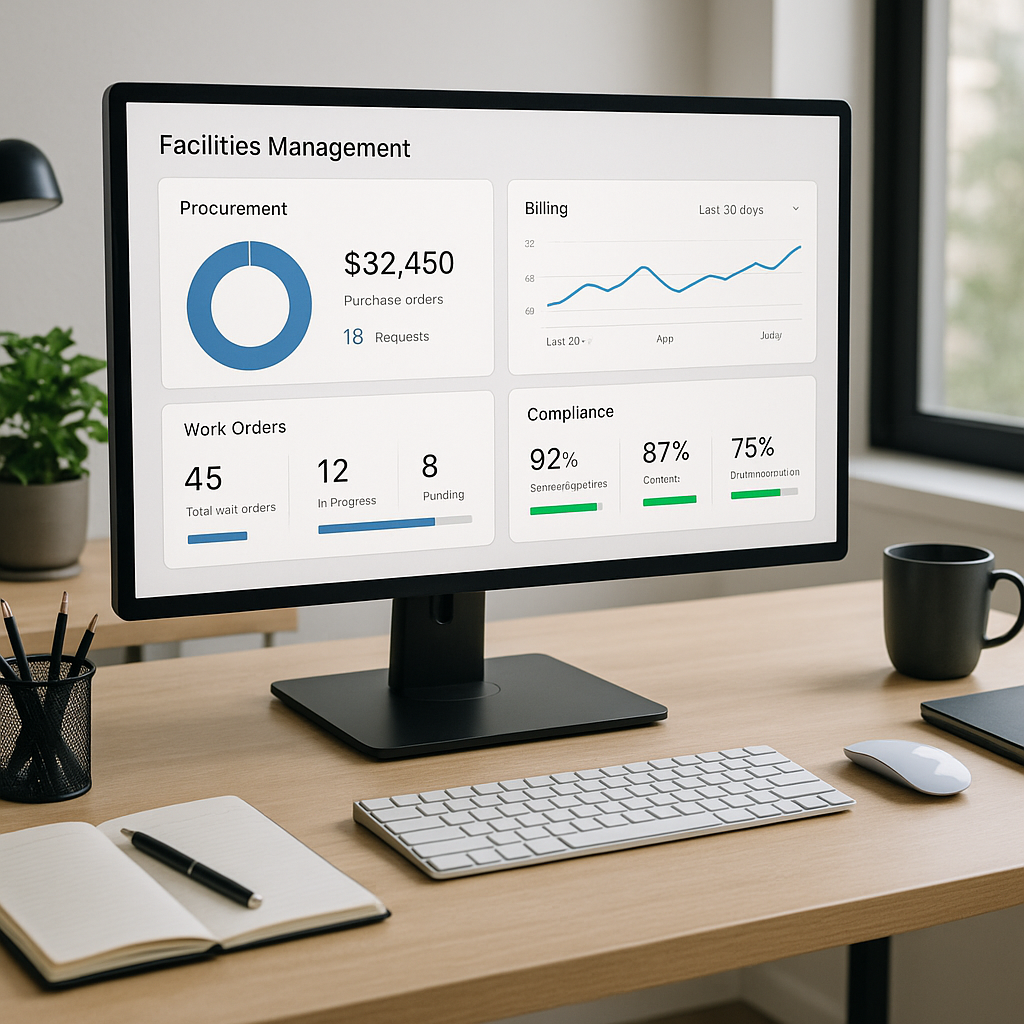
This is where most software falls short. You don’t just need data—you need actionable insights. For example, JobNext offers 150+ pre-built reports, from BOQ margin tracking to budget burn analysis. One of my clients used the Stock Ageing Report to identify ₹8.7L worth of unused inventory sitting in a warehouse for over 9 months. That’s real money you can reclaim.
Reporting Checklist:
- Project profitability: Tracks margins across different phases.
- Procurement status: Highlights delays or bottlenecks in material deliveries.
- Equipment utilization: Ensures you’re maximizing asset use.
👉 Minimum ask: Look for reports on project profitability, procurement status, and equipment utilization. If you can’t find these, think twice.
FAQ: Common Questions About FM Software
1. What’s the biggest mistake when choosing FM software?
Focusing on price alone. A cheap tool that doesn’t solve your core problems will cost you more in the long run.
2. How long does implementation take?
For most mid-size contractors, 3-6 months. Platforms like JobNext offer dedicated onboarding support to speed this up.
3. Can I try before I buy?
Yes, most vendors offer free trials. For example, JobNext provides a 7-day trial, no credit card required.
4. Does FM software work for small contractors?
Yes, but choose scalable platforms. JobNext, for instance, offers tiered pricing based on business size.
5. What happens if the software doesn’t fit my workflow?
Customization is key. Ask vendors about their ability to tailor modules to match your operations.
Final Thoughts: The Right Tool Makes All the Difference
Facilities management isn’t easy, but the right software can simplify your life. The key is to focus on your specific needs, not flashy features. Whether it’s better billing, procurement, or HR management, tools like JobNext are designed for contractors like you.