AI Isn't Just a Buzzword Anymore
AI in construction has often been dismissed as hype, with promises of predictive models, automated workflows, and digital twins seeming disconnected from real-world challenges. However, when it comes to managing road work zones, the stakes are high. Struck-by incidents—when workers are hit by vehicles or equipment—are among the leading causes of fatalities. According to the National Work Zone Safety Information Clearinghouse, over 700 people died in U.S. work zone crashes in 2021 alone. This highlights the urgent need for innovative solutions.
How AI Can Help
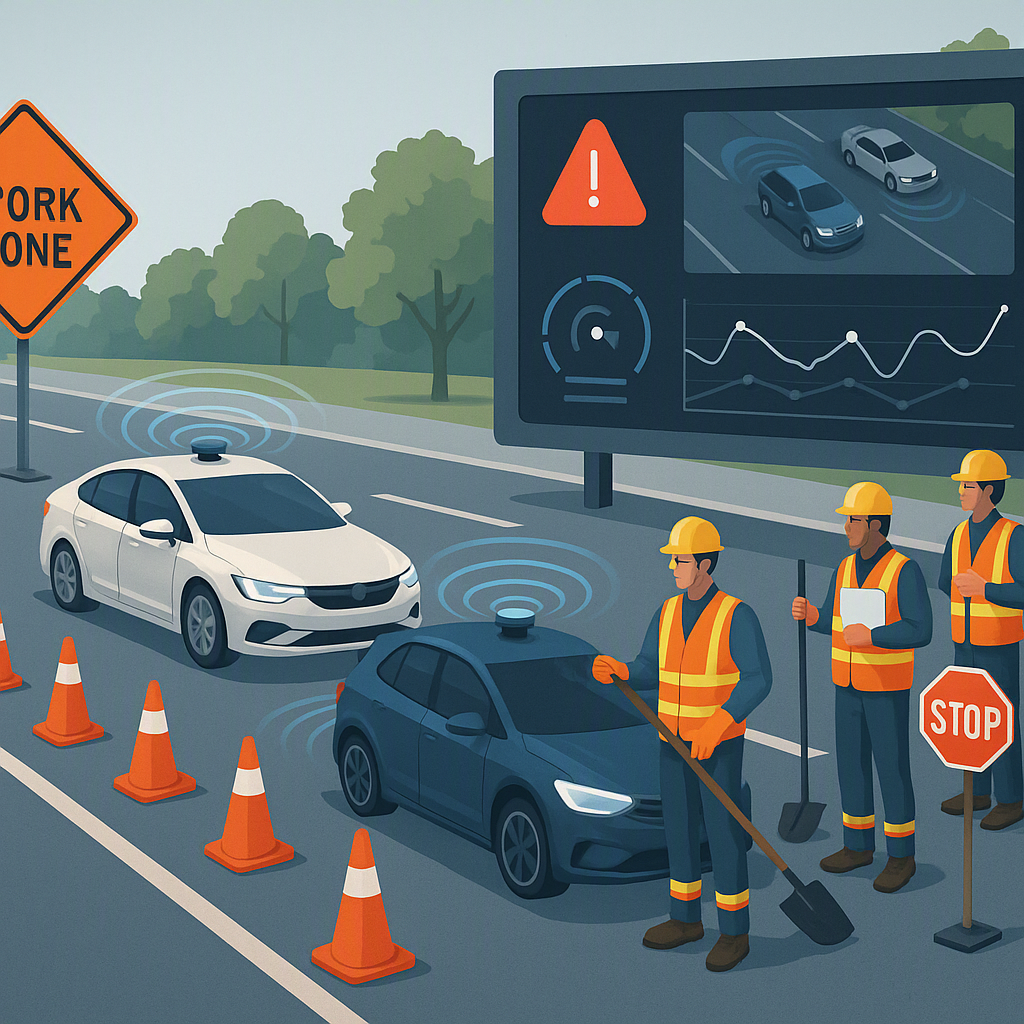
Recent research, such as that from Texas A&M, focuses on practical applications of AI to predict and prevent struck-by incidents in road work zones. By analyzing traffic patterns, worker positions, and equipment movements in real-time, AI models can identify potential hazards before they escalate. For instance, if a vehicle is on a collision course with a worker, the system can trigger alerts to drivers and workers simultaneously.
Challenges in Adoption
The construction industry has been slow to adopt new technologies, especially when profit margins are tight. For smaller contractors, investing in AI might seem like a luxury rather than a necessity. Additionally, many AI tools are complex, siloed, and difficult to integrate with existing systems, requiring technical expertise that many contractors lack. These barriers have contributed to skepticism about AI's practicality in construction.
Integrating AI with Workforce Management
Platforms designed for contractors, such as workforce management tools, can help bridge the gap. These platforms provide real-time visibility into attendance, staff allocation, and geo-location tracking. When paired with predictive AI models, contractors can gain a comprehensive view of safety risks. For example, supervisors could monitor worker positions and traffic patterns to proactively address potential hazards.
Shifting the Safety Mindset
AI encourages contractors to view safety as a data-driven challenge rather than just a compliance issue. Instead of relying solely on checklists—like ensuring workers wear hard hats and vests—contractors can analyze historical incident rates, evaluate subcontractor safety records, and optimize worker schedules to minimize risks during peak traffic hours.
Limitations and Next Steps
While AI can predict risks, it cannot eliminate all safety challenges. Human error, poor judgment, and non-compliance remain significant factors. Effective integration of AI requires team buy-in, clear processes, and ongoing training. Contractors should consider piloting AI tools in high-risk zones to evaluate their impact and refine their implementation strategies.
A Practical Path Forward
AI is not a replacement for traditional safety protocols but an enhancement. Contractors managing road work zones should explore small-scale AI pilots and integrate them with existing workforce management platforms to streamline operations and improve safety outcomes. By taking a proactive approach, contractors can better protect their teams and reduce the likelihood of incidents.