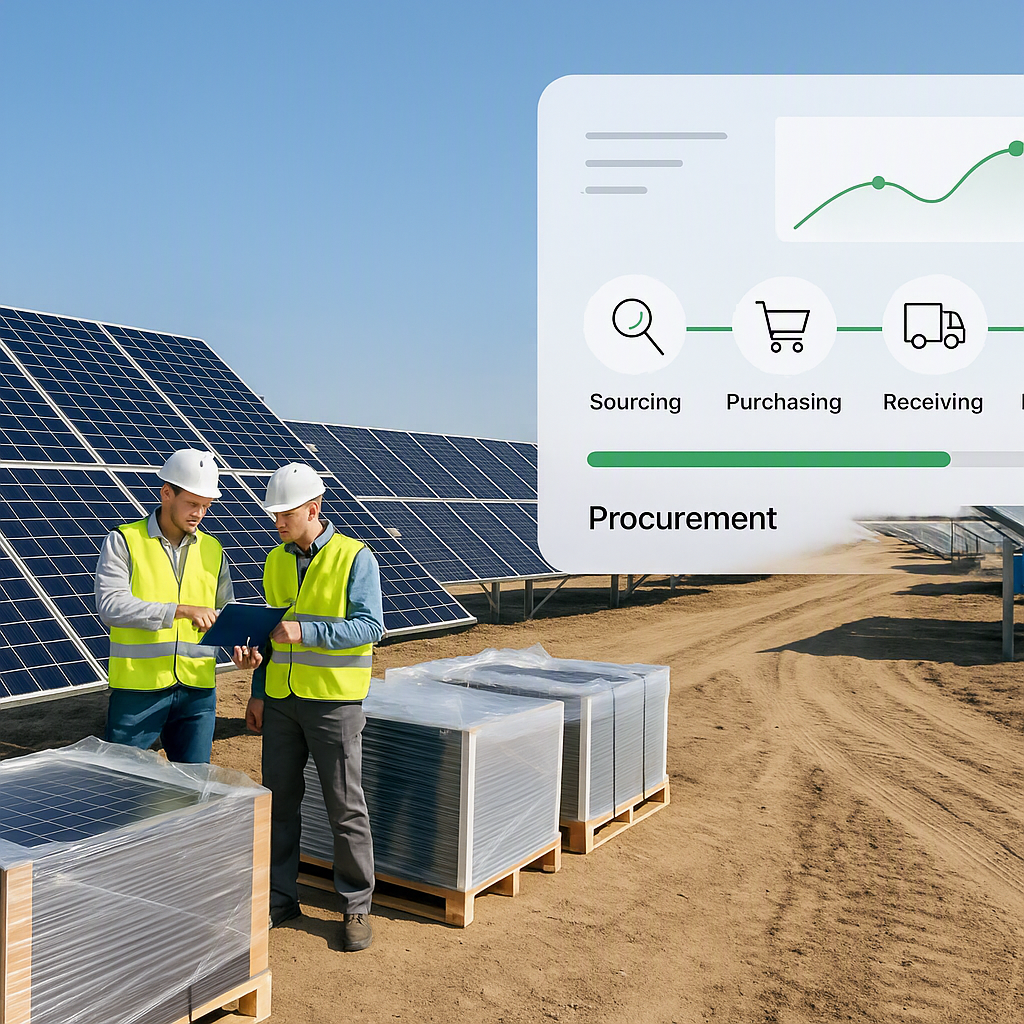
When Google announced its massive investment in the largest solar project in U.S. history, I thought, "What does this have to do with contractors managing procurement?" On the surface, not much. But dig a little deeper, and there’s a lesson here that’s hard to ignore: procurement efficiency can make or break a project, no matter the scale.
What I Used to Think About Procurement
I used to think procurement was just about getting the best price. Lowest bid wins, right? You line up three vendors, pick the cheapest one, and move on. That’s what I believed for years, and honestly, it worked—for a while. Until we started seeing cracks in the process. Margins eroded. Deliveries got delayed. And worst of all, no one could say exactly why costs spiraled out of control.
Why "Lowest Bid Wins" Fails in the Long Run
On paper, picking the lowest bid feels like a no-brainer. After all, isn’t the goal to save money? But the problem is that price isn’t the full story. Vendors offering rock-bottom prices often cut corners elsewhere—using cheaper materials, underpaying their workforce (which can lead to strikes or delays), or failing to meet compliance requirements. These "hidden costs" don’t show up in the bid but hit your project down the line.
For instance, a vendor promising 7-day delivery at a lower cost might take 12 days in practice, delaying your project and incurring penalty fees. Over time, these inefficiencies add up, eating into your margins and client trust.
The real cost isn’t just the initial price—it’s the total impact on your project timeline, team, and reputation.
What Changed My Mind
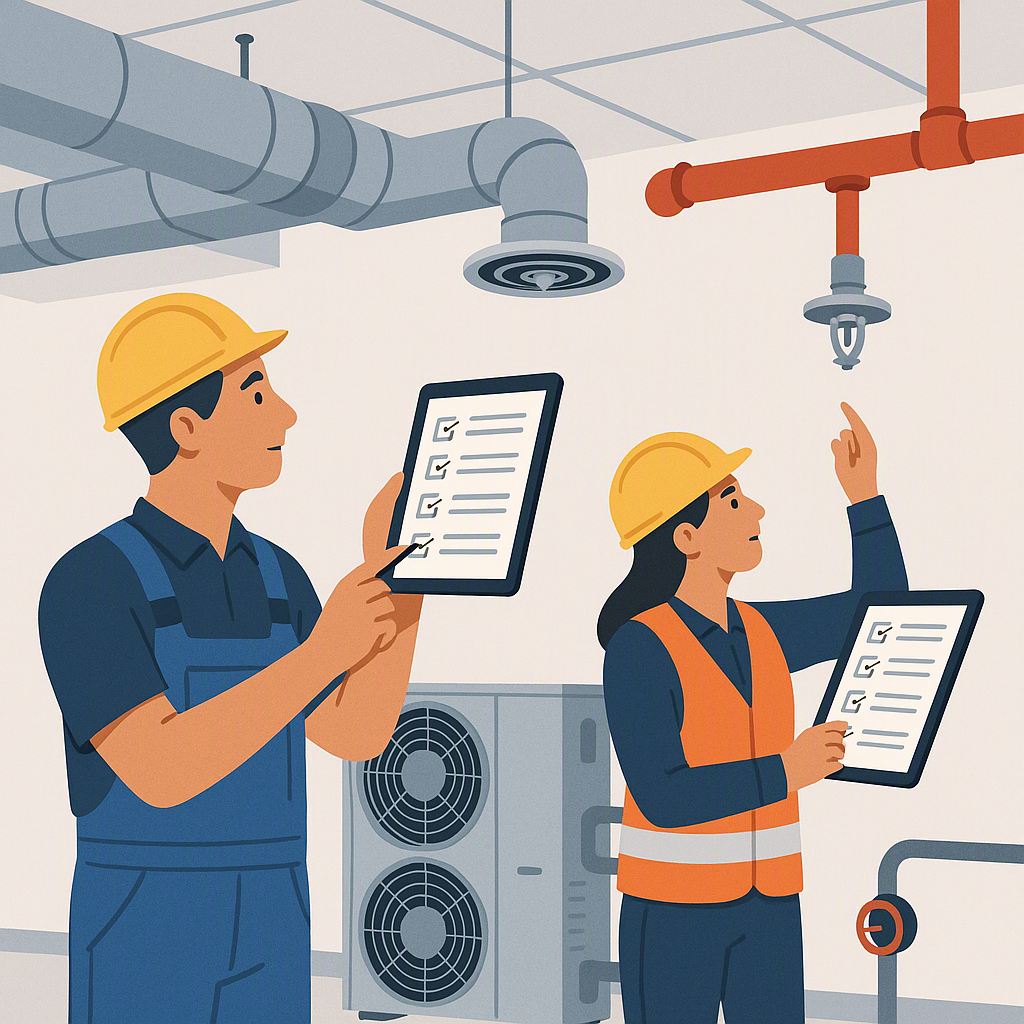
Then came a project in Muscat. It wasn’t even a huge one—an HVAC installation for a mid-size commercial building. But it was chaos. Two POs for the same material batch showed up on the procurement clerk’s screen. Same vendor, two different sites. One of those POs turned out to be unnecessary, but no one caught it until the invoices hit. By then, we’d already eaten the cost. That was September 2026, and we’re still haunted by it.
The Domino Effect of Poor Procurement Practices
Here’s the thing: that unnecessary PO didn’t just cost us the material. It set off a chain reaction:
- Budget Overrun: The duplicate order wasn’t accounted for in the original project budget.
- Delayed Workflows: The mix-up led to delayed material deliveries for the actual, required PO.
- Client Dissatisfaction: The delays and additional costs didn’t sit well with the client, souring the relationship.
This was a wake-up call: procurement isn’t just a back-office function; it’s a critical driver of project success (or failure).
Why Contractors Stick to the Status Quo
Let’s be fair: the old way of doing things—manual spreadsheets, email follow-ups—survives because it’s familiar. You know where everything is. You’ve got a guy who’s been handling vendor relationships for a decade. Sure, it’s slow, but it’s predictable. And when margins are thin, who has time to overhaul the whole system?
The Comfort of Familiarity vs. the Risk of Complacency
The status quo feels safe, but it’s not. Why? Because inefficiencies snowball. Here are the typical issues that come with outdated systems:
- Human Error: Duplicate POs, missed approvals, and forgotten compliance checks are inevitable when your system relies on manual inputs.
- Invisibility: Without a centralized system, it’s nearly impossible to track where your money is going. Are you overpaying? Are vendors meeting deadlines? You won’t know until it’s too late.
- Reactive Problem-Solving: Most contractors operate in constant firefighting mode, reacting to issues instead of preventing them.
The cracks don’t show until they’re costing you real money. The unnecessary PO in Muscat was a prime example—it wasn’t just the cost of the extra materials; it was the cascade of issues that followed.
What We Do Differently Now
After that fiasco, we made one change. Just one. We stopped approving any material request (MR) that wasn’t tied to a job-specific budget. It sounds basic, but you’d be surprised how often MRs fly through without anyone asking, "Does this fit the BOQ?"
The Audit-Driven Procurement Workflow
Now, every MR in our system (we use JobNext for this) is validated against the approved budget for that job. If there’s no budget, there’s no MR. Simple. Here’s how it works step by step:
- Material Request Creation: Team submits an MR linked to a specific job code.
- Budget Validation: The system cross-checks the MR against the approved BOQ (Bill of Quantities) budget.
- Approval Workflow: Only after validation, the MR moves up the chain for approval.
- Vendor Evaluation: RFQs are sent to pre-approved vendors, who are evaluated on price, delivery time, and past performance.
- Purchase Order Generation: POs are issued through the system, ensuring no duplicates or errors.
Real-World Impact
For example, during an interior fit-out in Sharjah, the system flagged a vendor who had consistently delayed deliveries on two prior projects. We rerouted the RFQ to a backup supplier. Would we have caught that manually? Probably not.
Google’s Playbook: What Contractors Can Borrow
Google’s solar investment isn’t just about green energy. It’s also a masterclass in risk management. They don’t just pick the lowest bid; they evaluate vendors on total landed cost, reliability, and compliance. Contractors can do the same on a smaller scale:
1. Total Landed Cost
Don’t just look at the price per unit. Factor in transport, taxes, storage, and lead times. Cheapest isn’t always cheapest. For instance, a vendor with a slightly higher unit cost but shorter lead time could save you money by keeping your project on schedule.
2. Vendor Reliability
Track on-time delivery rates. If a supplier promises 7 days but averages 10, that’s a red flag. JobNext’s delivery heatmaps make this painfully clear—red cells for delays, green for on-time. Keeping a record of vendor performance ensures accountability and helps you make data-driven decisions.
3. Compliance
Are your vendors meeting safety and statutory requirements? This isn’t optional. Google likely has teams auditing this. You might not, but tools like JobNext can track compliance documents and flag expirations.
| Factor | Why It Matters | How to Track |
|---|---|---|
| Total Landed Cost | Reduces hidden costs like transport and delays | Use tools that calculate all-inclusive costs |
| Vendor Reliability | Late deliveries disrupt project timelines, leading to penalties | Delivery heatmaps, historical data |
| Compliance | Non-compliance leads to legal and safety risks | Compliance tracking tools |
What Being Wrong Cost Us
Looking back, sticking to manual procurement cost us more than money. It cost us trust—with clients, with our team, and with vendors. When you can’t explain why costs overran or why a project got delayed, everyone loses confidence. And once you lose it, getting it back is a slog.
Even now, I’m not sure we’ve solved everything. There’s still the question of vendor concentration—how much risk do we take on by relying on a single supplier for critical materials? JobNext’s Pareto chart helps us see where those risks are, but acting on them is another challenge altogether.
Common Questions Contractors Have About Procurement Efficiency
1. How do I know if my procurement process is inefficient?
Look for signs like:
- Frequent budget overruns
- Delayed deliveries
- Duplicate POs If you’re constantly firefighting, it’s time to rethink your system.
2. What’s the first step to improving procurement?
Start by centralizing your data. Use a system that tracks every step—MR → RFQ → PO—and ties it to specific jobs and budgets. You can’t fix what you can’t see.
3. How do I evaluate vendors effectively?
Go beyond price. Look at:
- Delivery reliability
- Compliance records
- Past performance A vendor who’s cheap but unreliable will cost you more in the long run.
4. Can small contractors afford these tools?
Yes. Platforms like JobNext are designed for small to mid-size contractors. They’re scalable, so you’re not paying for features you don’t need.
5. What about subcontractor management?
The principles are the same. Use an RFP process, evaluate beyond price, and track performance over time. JobNext’s subcontractor module makes this easier by maintaining an audit trail from RFP to work order.
Final Thoughts
Procurement isn’t just a back-office function; it’s a profit center. Whether you’re building the next mega solar farm or a mid-size commercial project, the principles are the same: control costs, vet vendors, and track everything.
If you’re dealing with procurement chaos, JobNext can help. Get started free →.