Hard FM: Where Compliance Meets Complexity
Hard Facilities Management (FM) isn't glamorous. It's about keeping buildings functional—plumbing, electrical systems, HVAC, elevators, fire safety, and structural repairs. These services are essential, but they're also expensive and compliance-heavy. For contractors in India and the GCC, managing hard FM is like walking a tightrope: one misstep can mean fines, downtime, or jeopardized contracts.
Let’s break it down.
Hard FM vs Soft FM: Why It’s Different
Soft FM covers services like cleaning, landscaping, and security. These are operational necessities, but they don’t require technical expertise or regulatory approvals. Hard FM, on the other hand, involves systems that directly impact safety and functionality. Mess up preventive maintenance on an HVAC system? Your client’s building could face overheating, air quality issues, or safety hazards—and you might be on the hook for repair costs.
Key Differences Between Hard FM and Soft FM
| Aspect | Hard FM | Soft FM |
|---|---|---|
| Scope | Infrastructure systems like HVAC, plumbing | Non-technical services like cleaning and landscaping |
| Compliance | Requires strict adherence to regulations | Minimal regulatory oversight |
| Technical Expertise | High; involves skilled labor and certifications | Low; general operational services |
| Impact of Failure | Operational downtime, safety risks | Reduced aesthetics or inconvenience |
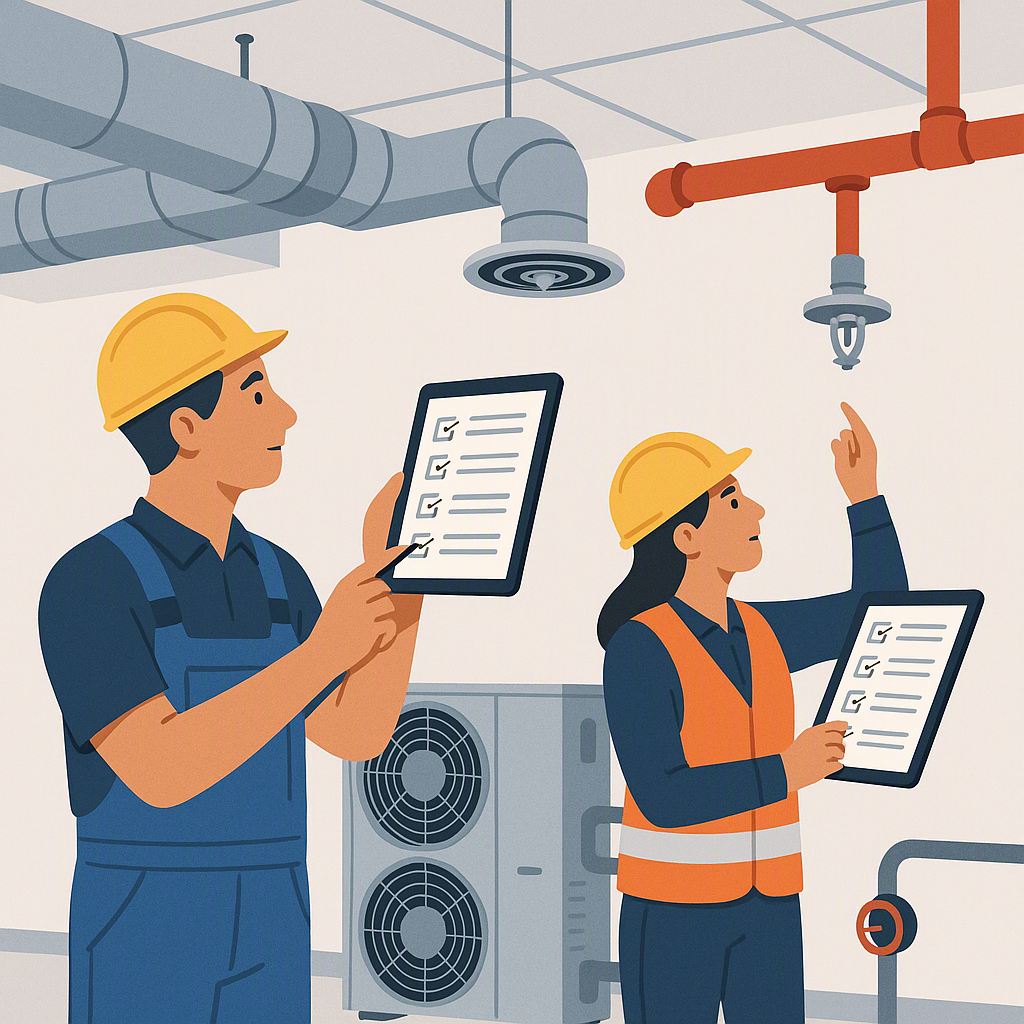
Take fire safety systems as an example. According to NFPA guidelines, fire alarms and sprinklers must be tested regularly. In GCC countries like the UAE, local civil defense authorities enforce strict compliance. Contractors who ignore these rules risk fines or losing their licenses.
This isn’t just about ticking boxes. Hard FM impacts lives.
The Real Challenge: Preventive Maintenance
Here’s the truth: most contractors don’t prioritize preventive maintenance. Why? It feels like a cost center. But skipping maintenance leads to expensive breakdowns. A faulty HVAC system could result in tenant complaints, lost revenue for the client, and reputational damage for you.
What Is Preventive Maintenance?
Preventive maintenance (PM) is the proactive servicing of equipment and systems to prevent failures before they happen. Common PM tasks in hard FM include:
- Lubricating moving parts (e.g., elevator motors)
- Replacing worn-out components (e.g., HVAC filters)
- Testing fire safety systems (e.g., alarms, sprinklers)
- Inspecting electrical wiring for wear and tear
Actionable Steps to Implement PM
- Asset Inventory: Create a detailed inventory of all assets, specifying their make, model, and maintenance requirements.
- Schedule Maintenance: Define maintenance frequencies based on manufacturer recommendations and regulatory requirements.
- Track Activities: Use software tools to monitor completed and pending tasks.
- Document Everything: Maintain detailed records of inspections, repairs, and certifications for compliance audits.
A Practical Example: JobNext’s PPM Module
JobNext’s preventive maintenance (PPM) module simplifies this process. It lets contractors set up activity schedules for each asset—HVAC, elevators, fire safety systems—with predefined frequencies (e.g., daily, weekly, monthly). Once set, the system automatically tracks compliance. Missed activities trigger alerts.
For example, say you’re managing a commercial building in Dubai. You’ve scheduled monthly checks for the fire sprinkler system. JobNext tracks whether the inspections happened, records the technician’s notes, and flags overdue tasks. No more scrambling to prove compliance during audits.
Compliance: What You Need to Know
Compliance in hard FM isn’t optional—it’s mandatory. In India, you’re dealing with IS 2189 standards for fire alarms. In Saudi Arabia, there’s SASO certification for electrical systems. And don’t forget VAT compliance for billing, which became mandatory across GCC countries in 2018.
Key Compliance Areas in Hard FM
- Fire Safety: Testing fire alarms and sprinklers as per NFPA or local civil defense requirements.
- Electrical Systems: Ensuring wiring and systems meet national standards (e.g., SASO in Saudi Arabia).
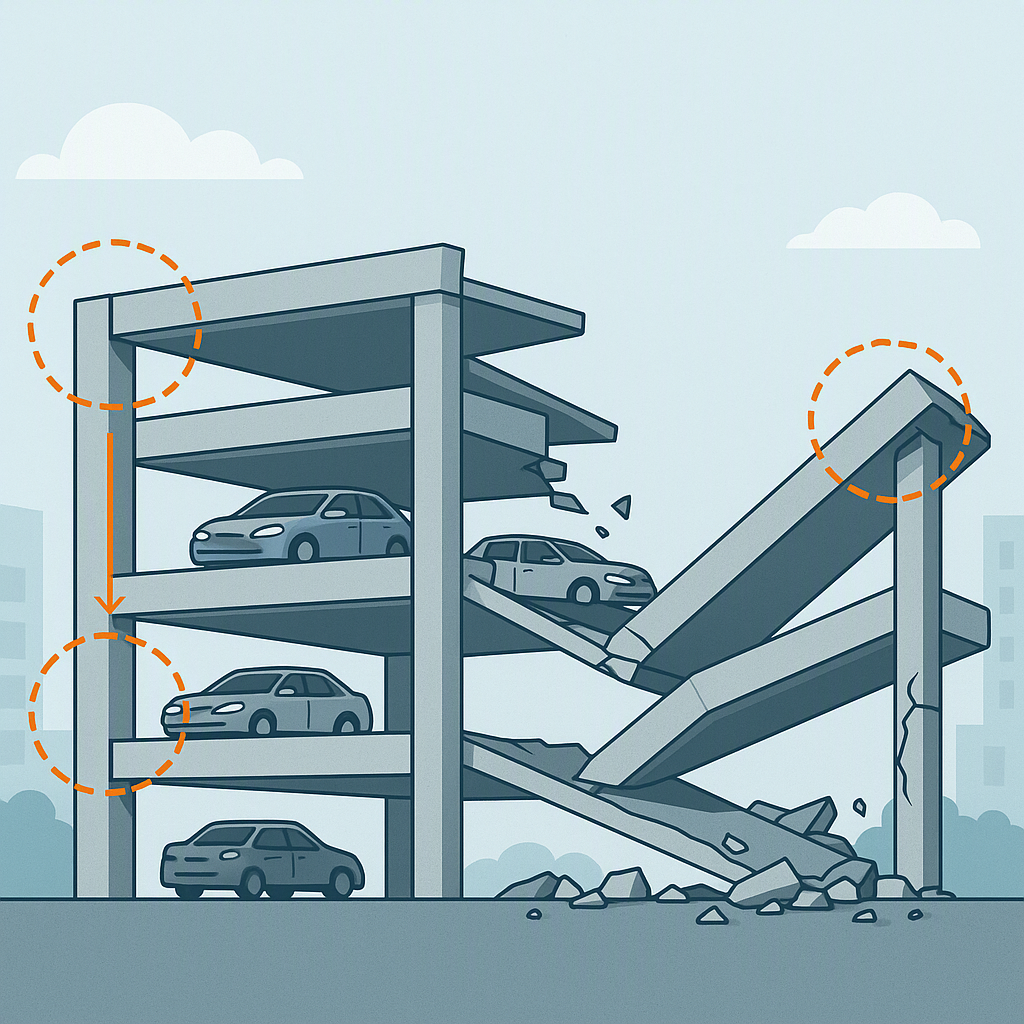
- Structural Integrity: Regular inspections for cracks, leaks, or potential hazards.
- Billing Compliance: Accurate VAT invoicing and tax code adherence.
Steps to Ensure Compliance
- Centralize Documentation: Store certifications, inspection reports, and approvals digitally.
- Automate Reminders: Use software to track deadlines for inspections and renewals.
- Standardize Processes: Create SOPs (Standard Operating Procedures) for compliance-related tasks.
A common mistake contractors make is manual compliance tracking. Excel sheets get messy. Deadlines are missed. Penalties pile up. JobNext helps by integrating compliance tracking into your workflows. For instance, VAT invoices auto-generate with the right tax codes, and certifications (like fire system inspections) can be uploaded and tied to specific jobs.
It’s like having a safety net.
Cost Tracking: Don’t Let Margins Slip
Hard FM projects are notorious for margin erosion. Why? Poor cost tracking. When you’re managing multiple sites, it’s easy to lose visibility into profitability. That’s where contractors bleed money.
Common Cost Pitfalls
- Underestimating Labor Costs: Overruns due to underquoted manpower needs.
- Material Overspending: Untracked material usage leads to inflated budgets.
- Subcontractor Fees: Mismanaged subcontractor costs can eat into profits.
A Practical Solution: Real-Time Profitability Monitoring
JobNext tackles this problem with real-time profitability dashboards. Every BOQ line item—labor, materials, subcontractor costs—is tracked against the original estimate. If a plumbing subcontractor overshoots the budget, you’ll see it immediately. No surprises at the end of the project.
For example, imagine you’ve quoted ₹50 lakh for an MEP maintenance contract in Mumbai. JobNext maps every expense to the BOQ, so you know exactly where your margins stand at any time.
If you're dealing with hard FM headaches, we’ve got you covered. Get started free →