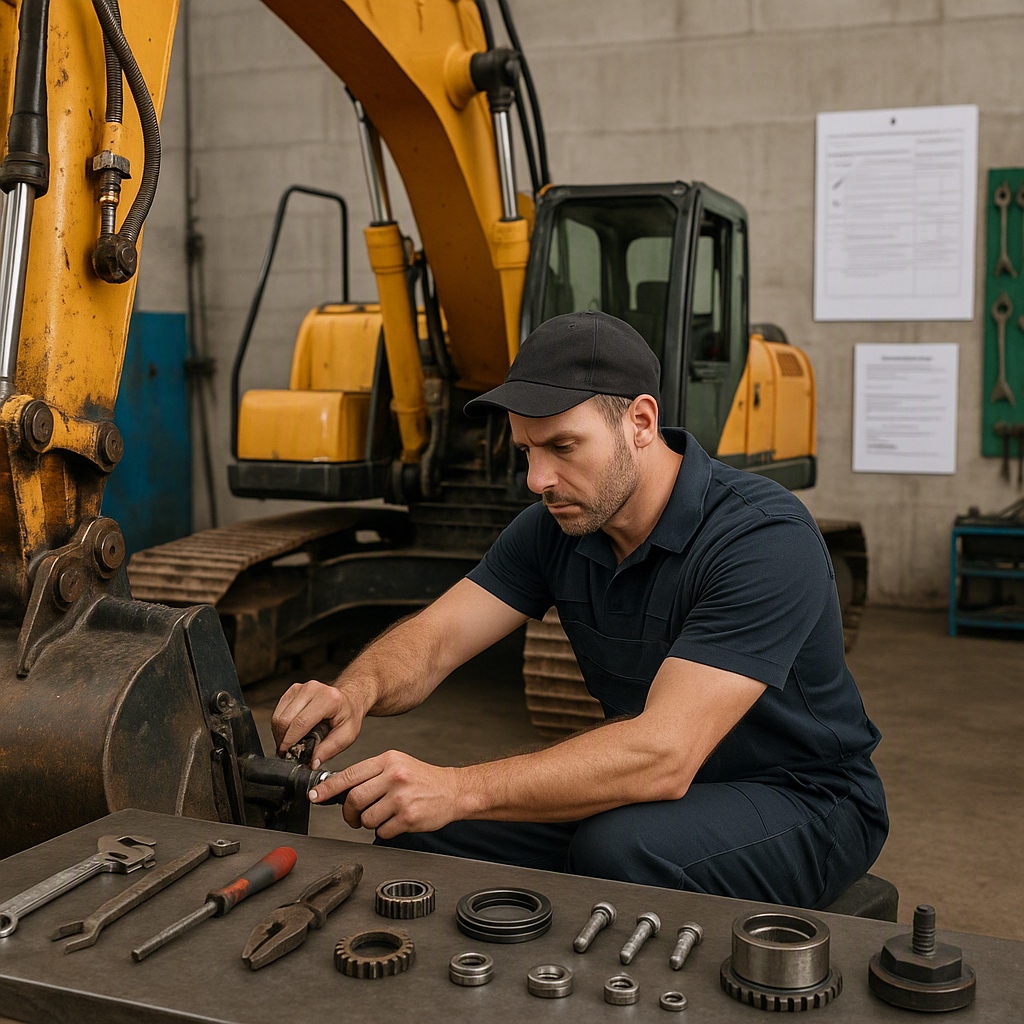
The news is everywhere: John Deere has settled with the FTC, agreeing to provide independent repair shops and equipment owners with the tools, parts, and information needed to fix their own machines. For contractors, this could be a big deal—or a big headache. Let’s talk about what this means, where it helps, and what you still need to watch out for.
Why the Deere FTC Settlement Matters
First, some context. For years, contractors have been locked into Deere’s repair ecosystem, forced to use authorized dealers for diagnostics and repairs. Critics of this model argued it drove up costs and created downtime when equipment was out of action. The FTC has finally stepped in, pushing Deere to open things up. Independent repair shops and even contractors themselves can now access diagnostic tools and manuals.
At first glance, this looks like a win. But is it? That depends on how you handle compliance, tracking, and accountability in your operations.
The Hidden Costs of DIY Repairs
Here’s the thing: just because you can repair your equipment in-house doesn’t mean you should. Repairs are not just about fixing something that’s broken; they’re about ensuring the machine is safe, compliant, and fit for use. One mistake in documentation or compliance, and you’re looking at fines, disputes, or worse—equipment failures on-site.
When you bring repairs in-house, you need a system to track:
- Who performed the repair: Was it a certified technician or someone winging it?
- What parts were used: Were they OEM parts or third-party alternatives? Are warranties affected?
- How the repair aligns with safety standards: Did you meet all regulatory requirements for the Gulf or India?
This is where a lot of contractors fall short. Many small to mid-size contractors don’t have a robust system for tracking equipment lifecycles. They rely on spreadsheets, or worse, nothing at all.
How JobNext Helps Contractors Stay Ahead
Now, let’s talk solutions. If you’re serious about taking advantage of Deere’s new repair policies, you need a way to track and manage every repair. JobNext’s Plant & Machinery module was built for this. Here’s how it works:
- Lifecycle Tracking: From procurement to disposal, JobNext keeps a record of every maintenance event, repair, and cost. This ensures you always know the history of your machines.
- Compliance Checks: The system flags compliance gaps, like missing safety certifications or overdue inspections, so you don’t get blindsided.
- Cost Control: By tracking repair costs in real-time, you can see whether it’s cheaper to repair or replace a piece of equipment.
Illustrative example — A contractor using a centralized system like JobNext identified high-maintenance equipment and negotiated better rates with vendors, ultimately improving operational efficiency.
Questions You Should Be Asking
You might be thinking, “Why not just wing it? Repairs are repairs.” Well, here’s what you should ask yourself:
- Do we have the right tools and skills? Deere might provide the manuals, but do you have the expertise to execute repairs reliably?
- How will we document repairs? Without proper documentation, you lose accountability—and potentially void warranties.
- What’s the real cost? DIY repairs might save on dealer fees, but if they take longer or lead to more breakdowns, you’re not saving anything.
What Contractors Can Do Now
Here’s what I’d recommend:
- Evaluate your current processes: Do you have a system for tracking equipment repairs? If not, start there.
- Train your team: If you’re bringing repairs in-house, invest in training. A poorly executed repair costs more than outsourcing.
- Leverage technology: Use tools like JobNext to track compliance, costs, and equipment history. It’s not a luxury; it’s a necessity if you’re scaling.
Final Thoughts
Deere’s settlement is a step forward for contractors, but it’s not a magic bullet. Right-to-repair gives you more control, but with that control comes responsibility. If you’re not tracking repairs, managing compliance, or controlling costs, you’re setting yourself up for failure.
If you’re ready to take control of your equipment lifecycle, JobNext can help →.