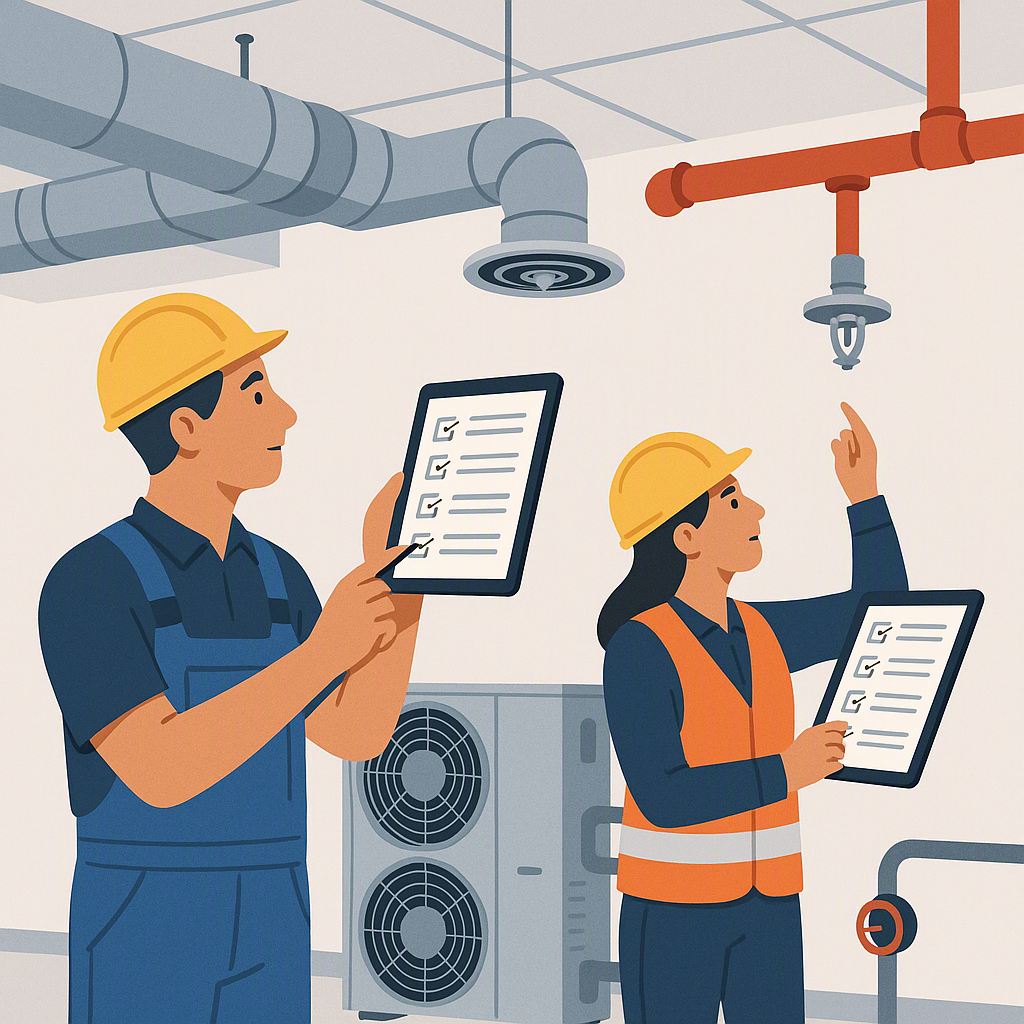
Facility Management Services List: Hard FM Essentials for Contractors
Facility management can feel like juggling a hundred balls at once. From HVAC systems breaking down to plumbing fiascos, managing Hard FM services is no walk in the park. For contractors, it’s not just about fixing things—it’s about keeping operations running smoothly and staying ahead of costly surprises.
What Are Hard FM Services?
Hard FM services refer to the physical infrastructure of a building—everything that’s fixed and tangible. Think heating, ventilation, air conditioning (HVAC), plumbing, electrical systems, elevators, and even fire safety systems. Unlike Soft FM (which focuses on cleaning, security, and other services), Hard FM is all about maintenance and compliance to ensure the building remains safe and functional.
If you’re a contractor managing Hard FM, you know the stakes. A malfunctioning HVAC system doesn’t just disrupt tenants—it could mean a penalty for violating SLAs (Service Level Agreements) and a dent in your reputation. That’s why nailing the basics matters.
Hard FM vs. Soft FM: A Quick Comparison
| Aspect | Hard FM | Soft FM |
|---|---|---|
| Focus | Physical infrastructure | People-oriented services |
| Examples | HVAC, plumbing, electrical systems | Cleaning, security, catering |
| Regulatory Impact | High (compliance is mandatory) | Moderate |
| Cost Implications | Reactive costs are very high | More predictable costs |
Hard FM Essentials Checklist
Here’s the checklist every contractor should keep handy, with actionable steps for each category:
1. HVAC Maintenance
- Quarterly System Inspections: Examine ductwork, thermostats, and compressors. Look for wear and tear to avoid sudden breakdowns.
- Filter Replacements: Replace filters every 1-3 months to maintain air quality and prevent energy inefficiencies.
- Monitor Energy Efficiency: Inspect for clogged ducts or dirty coils, which can spike energy costs by up to 30%.
- Actionable Tip: Use a digital pressure gauge to monitor airflow rates in real-time.
2. Plumbing
- Leak Detection: Inspect pipes and fittings regularly using ultrasonic leak detectors.
- Drainage System Checks: Clear blockages before they escalate into major issues.
- Water Pump Servicing: Schedule semi-annual maintenance to ensure consistent water pressure.
- Actionable Tip: Install water meters on high-usage systems to identify abnormal patterns.
3. Electrical Systems
- Load Testing on Power Circuits: Prevent overload by testing circuits under typical load conditions.
- Emergency Lighting Checks: Ensure backup power sources are functional during outages.
- Annual Compliance Certifications: Adhere to local electrical safety codes.
- Actionable Tip: Use thermal imaging cameras to detect hot spots in electrical panels before they fail.
4. Fire Safety Systems
- Monthly Fire Alarm Tests: Simulate fire scenarios to test alarm response times.
- Sprinkler System Functionality: Inspect for corrosion, leaks, or faulty valves.
- Fire Extinguisher Inspections: Confirm pressure levels and expiration dates.
- Actionable Tip: Include evacuation drills when testing fire systems to assess staff preparedness.
5. Elevators and Escalators
- Routine Servicing and Lubrication: Prevent wear that can lead to costly downtime.
- Safety Compliance Inspections: Test emergency brakes and safety sensors.
- Emergency Response Readiness: Train staff in manual override procedures.
- Actionable Tip: Install IoT sensors for real-time monitoring of elevator performance.
6. Building Envelope
- Roof Inspections: Check for leaks, loose shingles, or pooling water.
- Window Sealing: Inspect and reseal gaps to improve energy efficiency.
- Insulation Performance Checks: Ensure proper thermal resistance to reduce HVAC load.
- Actionable Tip: Use drone technology for a faster and safer roof assessment.
7. Asset Lifecycle Management
- Preventive Maintenance Schedules: Develop a calendar for periodic checks based on manufacturer guidelines.
- Depreciation Tracking: Use software to calculate asset value over time.
- Disposal and Replacement Planning: Replace outdated systems before they fail catastrophically.
- Actionable Tip: Create a risk matrix to prioritize assets needing immediate attention.
The Hidden Killer: Poor Maintenance Planning
Let’s be real—contractors often get stuck in a reactive cycle. A breakdown happens, and then it’s a mad scramble to fix it while juggling other projects. Not only does this hurt your reputation, but it also eats into your margins. Why? Emergency repairs are almost always more expensive than preventive maintenance, and downtime can mean SLA penalties.
How to Avoid Reactive Maintenance
- Plan Preventively: Schedule inspections and repairs ahead of time, even if systems appear to be functioning well.
- Use Condition Monitoring: Employ sensors to track wear and tear in real-time.
- Budget for Maintenance: Allocate 2-3% of the asset’s replacement value annually for upkeep.
- Centralize Data: Use digital tools to store all maintenance records in one place for easy access.
How JobNext Simplifies Hard FM Services
Let’s talk solutions. A good ERP system can be a game-changer for Hard FM contractors. JobNext’s platform, for example, has built-in tools for asset lifecycle management and PPM scheduling. Here’s how it helps:
- Centralized Asset Register: Know exactly what equipment you own, where it’s located, and its maintenance history. No more hunting through spreadsheets or paperwork.
- Maintenance Scheduling: Create preventive, corrective, and breakdown maintenance events directly in the system. You can even set automated reminders.
- Expense Tracking: JobNext tracks maintenance costs, fuel consumption, and depreciation. This data feeds into financial reports, so you always know your margins.
- Depreciation Management: The system automatically calculates depreciation using methods like Straight-Line or Written Down Value (WDV), ensuring compliance with accounting standards.
For example, let’s say you’re managing HVAC systems across a portfolio of buildings. With JobNext, you can schedule quarterly inspections, track filter replacements, and monitor energy usage—all from a central dashboard. No more missed service dates or surprise breakdowns.
Common Mistakes in Hard FM Management
- Skipping Preventive Maintenance: It’s tempting to save time by only fixing things when they break. But trust me, it’s a false economy. Preventive maintenance is cheaper and less disruptive in the long run.
- Neglecting Compliance: Fire safety regulations, electrical certifications, elevator inspections—these are non-negotiable. Missing a deadline could mean hefty fines or worse, liability in case of accidents.
- Underestimating Costs: Ever been blindsided by a repair bill that eats into your profits? Without proper cost tracking and forecasting, it’s easy to lose control.
- Overlooking Asset Utilization: Idle equipment is money wasted. Regularly review your asset register to optimize usage and avoid unnecessary purchases.
Final Thoughts
Hard FM services aren’t just about fixing things—they’re about planning, tracking, and preventing issues before they arise. With the right tools, you can minimize downtime, avoid compliance headaches, and keep your margins intact.
If you're struggling with Hard FM challenges like maintenance planning or asset tracking, JobNext can help. Get started free →