Why Data Center AI Construction Is the Next Gold Rush for Contractors
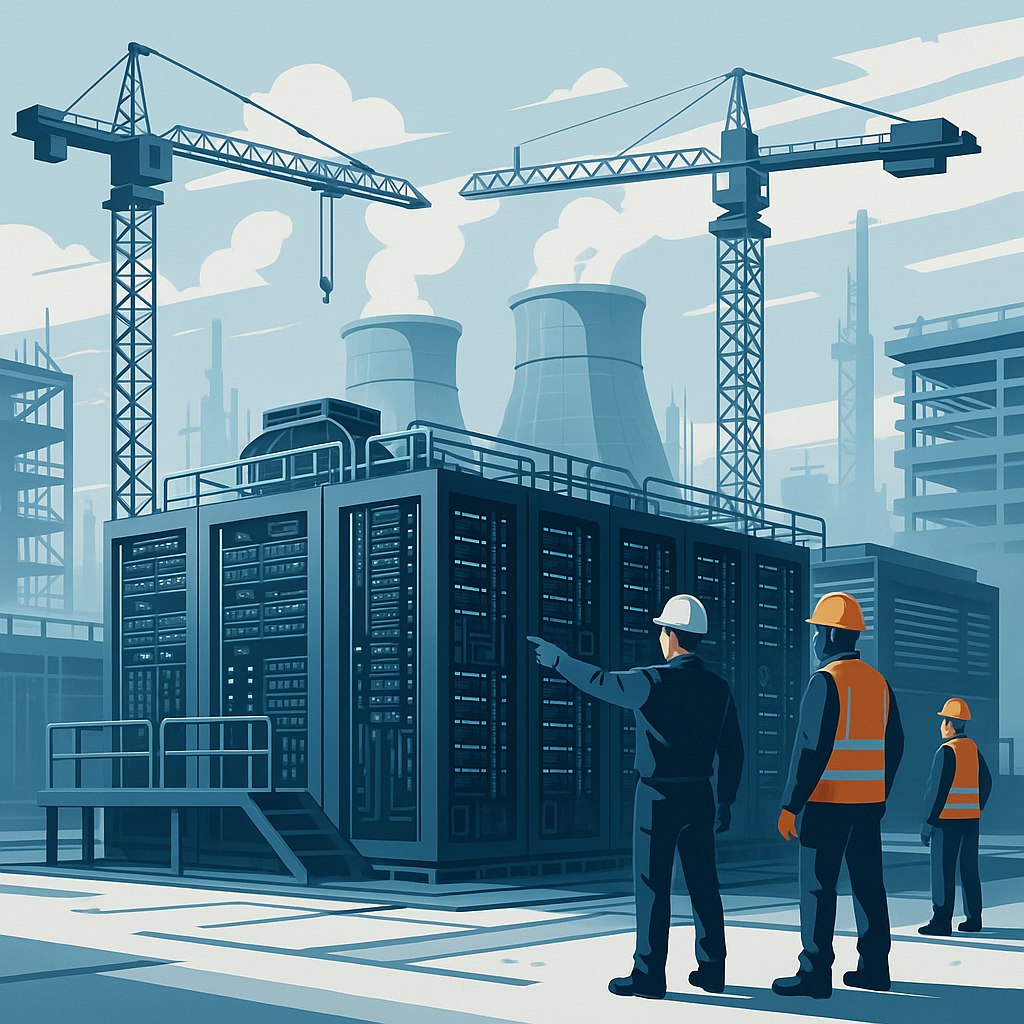
Data center construction is exploding. With cloud providers racing to keep up with AI demand, major general contractors in India and the GCC are seeing a massive opportunity. But here's the catch: building data centers isn’t like putting up office blocks or warehouses. The margins are tighter, the tech is more complex, and the stakes are higher.
The AI Boom Is Fueling Data Center Demand
Let’s start with the basics — AI needs infrastructure. The more AI models companies train, the more servers, cooling systems, and power they need. That means data centers. According to Reuters, global spending on data center construction is forecasted to hit $42 billion in 2024, a 22% jump from 2023. Contractors who can deliver these projects efficiently are looking at a goldmine.
Concrete Example: Microsoft’s $10 Billion Expansion
Microsoft is one of the biggest players in AI and cloud computing. In 2023, the company committed over $10 billion to expand its Azure cloud infrastructure, which includes constructing new data centers across the globe. Contractors lucky enough to win these projects are setting themselves up for years of steady revenue.
Actionable Data: Regional Opportunities
The demand isn’t evenly distributed. India and the GCC (Gulf Cooperation Council) are seeing a particularly sharp rise in data center projects. For example:
- India: With the government pushing for digital transformation and private investment flooding into AI startups, the country is projected to need 100+ new data centers by 2025.
- GCC: Gulf nations like Saudi Arabia and the UAE are positioning themselves as global tech hubs. Saudi Arabia’s NEOM project alone includes plans for massive data center infrastructure.
Why Contractors Are Excited
- Recurring Revenue: AI infrastructure isn’t a one-time build. Maintenance, upgrades, and expansions create long-term business opportunities.
- Prestige: Successfully delivering a data center project earns contractors credibility, which opens doors to high-value clients.
Why Proper Cost Tracking Is Non-Negotiable
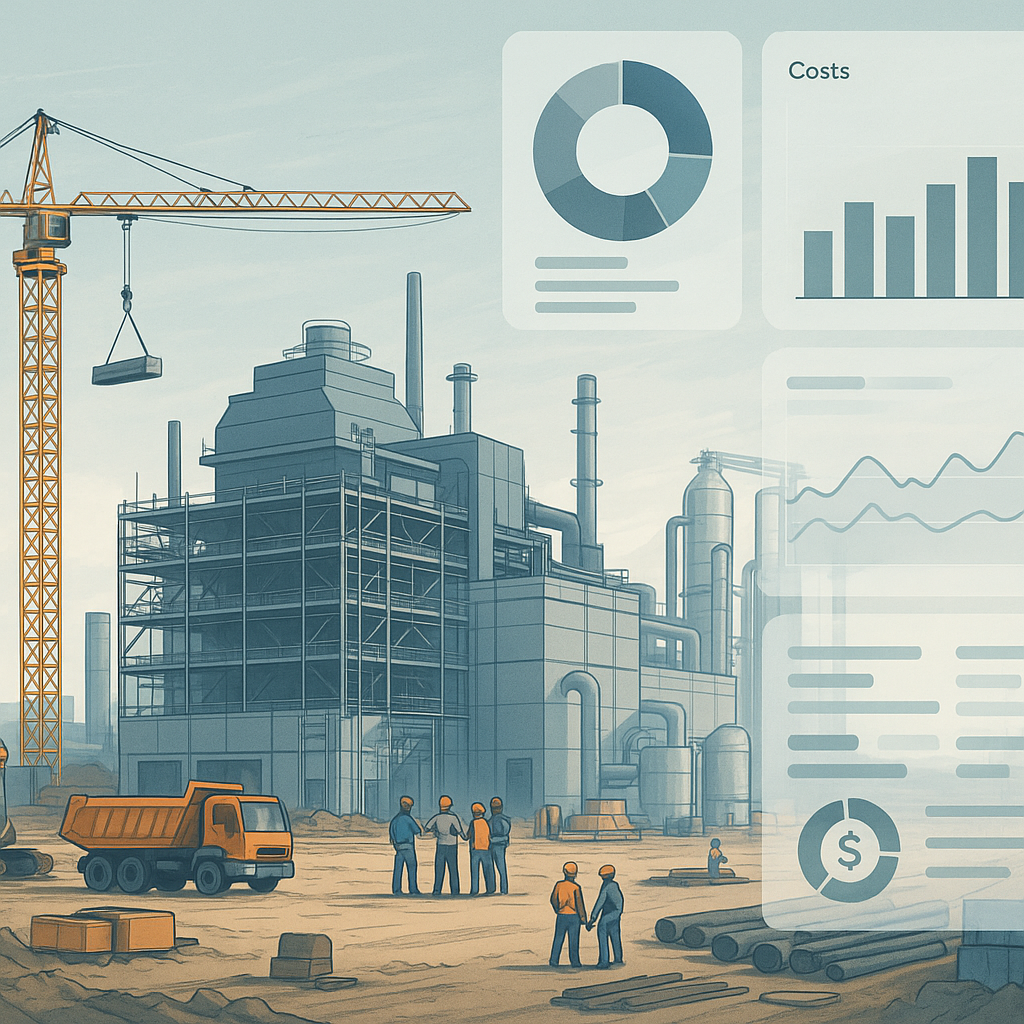
Here’s the reality: data center builds burn cash fast. From high-end cooling systems to backup generators, every line item adds up. If you’re not tracking costs in real-time, you’ll miss the warning signs of margin erosion.
Case Study: HVAC Overspend in a ₹150 Crore Project
Imagine this scenario: You’re managing a ₹150 crore data center project. The BOQ includes specialized HVAC equipment, raised floors, and UPS battery packs. Your team approves a ₹40 lakh purchase order for HVAC units — but no one checks if it’s within the budget. Now you’re running over before the project even finishes. This happens more often than you think.
Action Plan: Real-Time Cost Tracking
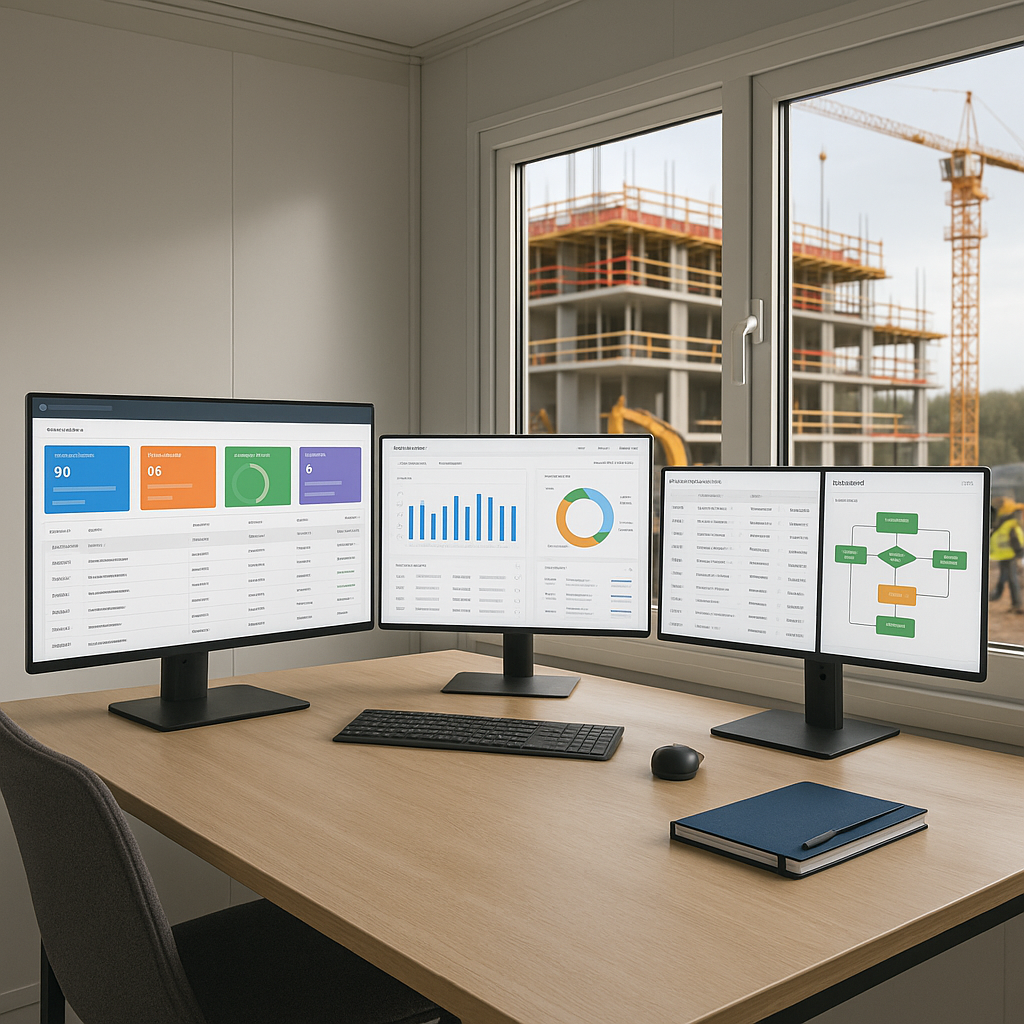
To avoid these nightmares, contractors need tools like JobNext. It tracks costs against BOQs, scopes, and estimates in real-time. Here’s how it works:
- Automated Budget Checks: Every purchase order or subcontractor invoice is checked against the budget automatically.
- Alerts for Overspending: If you’re about to overspend, the system flags it immediately.
- Historical Data: Track past projects to benchmark costs and avoid surprises.
This kind of visibility protects your profits and ensures your project stays on track.
What Makes Data Center Projects So Complex?
Data centers aren’t your average construction job. These projects have:
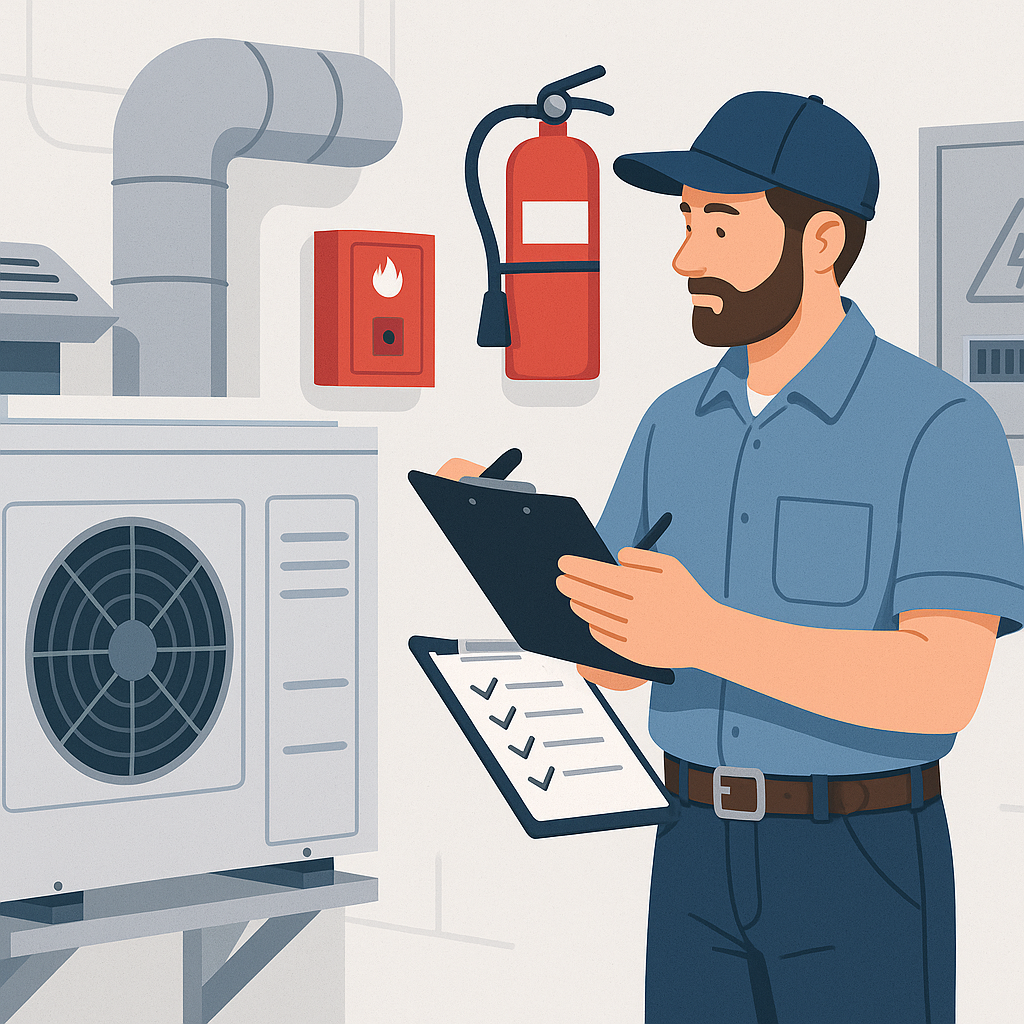
- High-tech requirements: From liquid cooling systems to fire suppression, data centers demand specialized equipment that most contractors aren’t used to sourcing.
- Compressed timelines: AI vendors want their infrastructure ASAP. If you can’t deliver, they’ll find someone who can.
- Regulatory headaches: Energy efficiency mandates, fire safety codes, and green building certifications add layers of compliance.
Example: Liquid Cooling Systems
Liquid cooling systems are increasingly standard in AI data centers because traditional cooling methods can’t handle the heat generated by high-performance computing clusters. However, sourcing these systems requires coordination with niche vendors and technical expertise to install them correctly.
Actionable Steps for Contractors
- Specialized Procurement: Build relationships with vendors who specialize in data center equipment like liquid cooling systems, UPS systems, and fire suppression units.
- Compliance Training: Train your procurement and site teams on local regulatory requirements (e.g., energy codes, green certifications).
- Structured Procurement Workflow: Use tools like JobNext to implement workflows such as MR → RFQ → Vendor Offers → PO. This ensures every order follows an approval chain.
The Real Problem: Revenue Leakage
Margins in data center construction are razor-thin. So what happens when billing errors creep in? You lose money.
Scenario: Missing Billable Work
Here’s a common scenario: your subcontractor completes 70% of their scope, but you accidentally invoice the client for just 50%. That missing 20%? Gone. Multiply that across multiple scopes and subcontractors, and your profits evaporate.
Action Plan: Fix Billing
JobNext solves this with six billing methods:
- RA Bills: Track progress-based payments.
- Stage-wise Billing: Invoice after completing specific project milestones.
- Monthly Billing: Ideal for long-term projects with recurring costs.
- Supply BOQ Billing: Ensure all materials supplied are accurately billed.
- Combined Billing: Handle projects with mixed scopes (e.g., supply + installation).
- One-Time Billing: Perfect for fixed-cost scopes.
No matter what your client’s preferred payment structure is, JobNext ensures every piece of completed work gets invoiced correctly.
How to Avoid the Pitfalls
So, what’s the best way to prepare for the AI-driven data center boom?
- Invest in real-time cost tracking: Don’t wait until your margins disappear. Tools like JobNext give you visibility across BOQs, scopes, and budgets.
- Streamline procurement: Use structured workflows to eliminate delays and rogue spending.
- Fix your billing: Make sure every piece of work gets invoiced correctly, no exceptions.
- Train your teams: Data centers are complex — your project managers and site staff need to understand the unique requirements.
- Build vendor relationships: Partner with suppliers who specialize in high-tech equipment like cooling systems and fire suppression.
Comparison Table: Traditional Construction vs. Data Center Construction
| Aspect | Traditional Construction | Data Center Construction |
|---|---|---|
| Technical Complexity | Low to moderate | High |
| Compliance | General building codes | Energy, fire, and green codes |
| Timeline | Flexible | Compressed |
| Margins | Moderate | Razor-thin |
| Equipment | Standard | Specialized (e.g., cooling) |
FAQ
1. What makes data centers different from other construction projects?
Data centers require specialized equipment like cooling systems, UPS systems, and fire suppression units. They also have stricter compliance requirements and faster timelines.
2. How does JobNext help contractors build data centers?
JobNext tracks costs in real time, streamlines procurement workflows, and ensures accurate billing. It’s designed to handle the complexity of multi-phase projects.
3. What’s the biggest risk in AI-driven construction?
Margin erosion. Without proper cost tracking and billing systems, contractors can overspend or under-invoice.
4. Why is the AI boom creating opportunities for contractors?
AI adoption requires more cloud infrastructure, which means more data centers. Contractors who can deliver these projects efficiently are in demand.
5. Can smaller contractors compete in the data center market?
Yes, but they’ll need to invest in specialized training, build vendor relationships, and adopt digital tools like JobNext to stay competitive.
Call-to-Action
If you’re gearing up for data center projects, JobNext can help. From cost tracking to procurement workflows, it’s built for contractors tackling complex jobs. Get started free →