Why Hard Facilities Management is a Profit Minefield
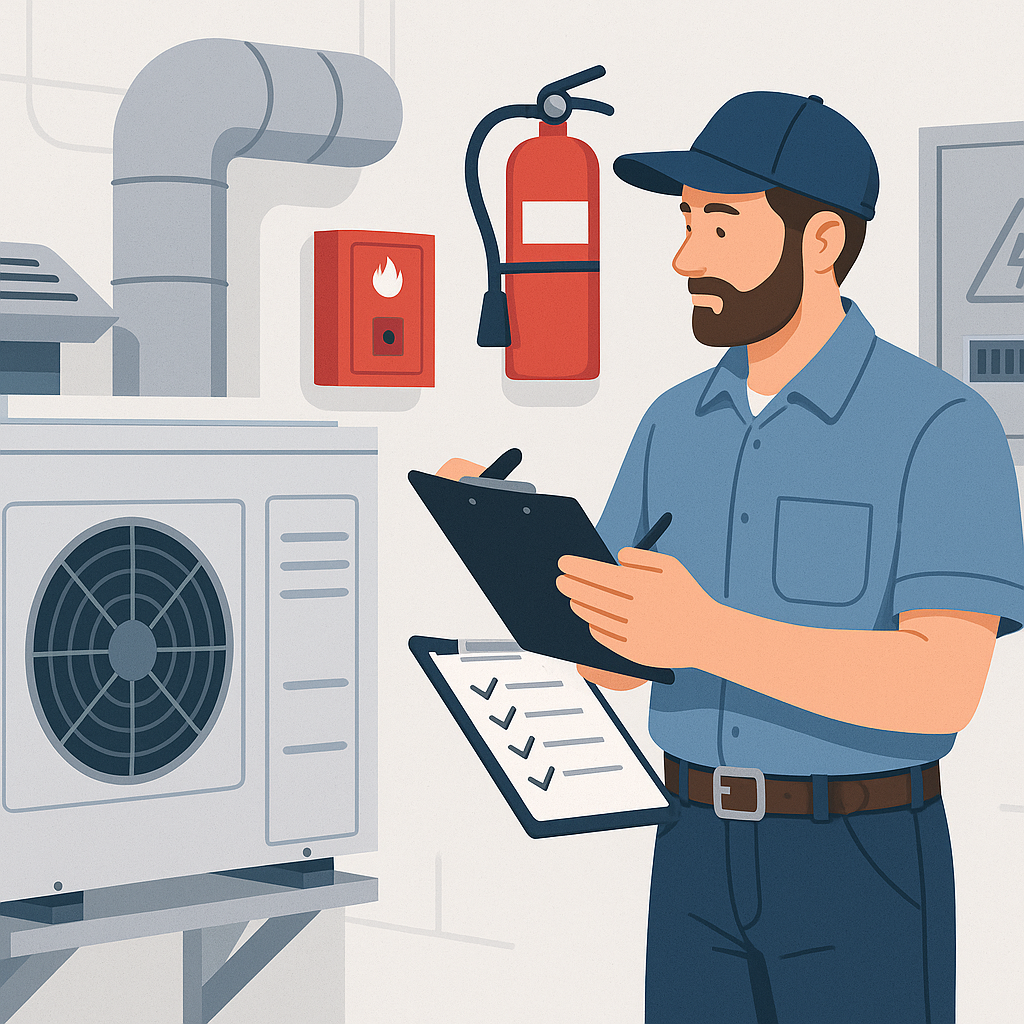
Hard facilities management (HFM) is brutal for contractors. If you manage HVAC systems, firefighting equipment, or building maintenance, you know the pain. Margins are tight, timelines are unforgiving, and unplanned equipment breakdowns can burn through your profits faster than you can say 'annual maintenance contract.'
The real killer? Maintenance chaos. Contractors often wait for something to break before fixing it. That reactive style leads to downtime, rushed repairs, and higher costs. Worse, it creates a snowball effect — delayed projects, angry clients, and penalties. Preventive maintenance is the answer, but most contractors struggle to implement it. Why? It’s hard to track everything manually, especially across multiple sites.
What Preventive Maintenance Actually Fixes
Preventive maintenance isn’t just about scheduling regular check-ups. It’s about catching problems before they blow up your budget. Here’s what it solves:
1. Unplanned Downtime
Equipment breakdowns can halt work entirely. Preventive maintenance reduces these unexpected interruptions. For instance, a study from Plant Engineering found that effective preventive maintenance programs reduce downtime by up to 25%.
Example:
Imagine a contractor managing a manufacturing facility with 12 HVAC units. When a major unit fails unexpectedly due to lack of maintenance, the facility faces a five-day shutdown, costing ₹3 lakh in lost productivity. Implementing preventive checks could have flagged the failing component weeks earlier, avoiding the crisis entirely.
2. High Repair Costs
Fixing a machine mid-crisis is always more expensive than addressing wear and tear early. Emergency repairs often mean paying for expedited shipping on replacement parts, overtime labor, and temporary fixes that don’t last.
Case Study:
One contractor reported spending ₹7 lakh on emergency repairs for a crane over two years. After adopting preventive maintenance, the annual repair cost dropped to ₹3 lakh — a 57% savings.
3. Short Asset Lifespans
Without consistent care, expensive assets wear out faster. That means more frequent replacements. A well-maintained machine can last 30-50% longer than one subjected to reactive maintenance.
Data Point:
According to the International Facility Management Association (IFMA), preventive maintenance extends asset life by an average of 20%, saving contractors significant replacement costs over time.
4. Client Trust Issues
Missed deadlines due to maintenance failures harm your reputation — and your ability to win future projects. Clients value reliability, and consistent service delivery builds long-term relationships.
Example:
A contractor missed two deadlines in a row due to equipment failures on-site. They lost the trust of a major client, who pulled out of a ₹50 lakh annual contract. Preventive maintenance could have ensured timely project completion and preserved the partnership.
How Contractors Mess Up Maintenance
Here’s the brutal truth: most contractors don’t have a system. Maintenance is tracked in spreadsheets (or worse, notebooks). There’s no centralized view of what’s been serviced, what’s overdue, or what’s about to break. Teams rely on memory or luck to spot issues, and when something slips through the cracks, everyone scrambles to fix it.
Real Example:
A contractor managing 47 machines thought they were keeping up with maintenance. Then three major machines failed in the same month, costing ₹12 lakh in repairs and causing a two-week delay on a ₹1 crore project. The losses were entirely avoidable with proper tracking and planning.
The Smart Solution: Asset Lifecycle Management
Preventive maintenance isn’t magic, but it does need structure. That’s where systems like JobNext’s Equipment & Plant Management module come in. Here’s how it fixes the problem:
1. Centralized Maintenance Tracking
Every machine gets its own digital record. Maintenance schedules, usage logs, and repair histories are tracked in one place. No more relying on fragmented spreadsheets or employee memory.
2. Fuel and Consumables Monitoring
You can issue fuel, spares, and consumables through a structured workflow. This helps prevent waste and ensures machines are ready to work.
3. Depreciation and Cost Allocation
Maintenance costs are automatically distributed across projects. You get instant visibility into which jobs are eating up profits.
4. Alerts for Upcoming Maintenance
Forget manual reminders. The system flags upcoming maintenance tasks and overdue items so nothing gets missed.
5. End-of-Life Planning
When assets hit their depreciation limits, the disposal process is automated, including journal entries and invoices.
Case Study:
A contractor using JobNext reduced equipment downtime by 40% in six months. They reported ₹15 lakh in annual savings due to fewer breakdowns and better cost allocation.
Why Most Contractors Ignore Preventive Maintenance (And Why You Shouldn’t)
You might be thinking, "We don’t have the time or the budget to implement this." That’s the usual objection. But here’s the irony: preventive maintenance saves money. The upfront effort pays off when you avoid costly repairs and delays.
Another common excuse is, "Our projects are too small for this." That’s flat-out wrong. Even small contractors benefit from better maintenance planning. If you’ve got even three machines running across multiple sites, tracking their usage and upkeep is critical.
Practical Steps to Start Preventive Maintenance Today
-
Audit Your Equipment: List every machine you own, including its age, condition, and current maintenance schedule (if any).
-
Identify High-Risk Assets: Focus first on machines that are critical to your projects or have a history of breakdowns.
-
Set Up Maintenance Schedules: Create a plan for each machine. Include routine inspections, part replacements, and seasonal checks.
-
Centralize Your Records: Ditch the spreadsheets. Use an ERP or dedicated maintenance software to track everything.
-
Train Your Team: Ensure your staff knows how to log usage, flag issues, and follow the maintenance plan.
-
Monitor and Adjust: Maintenance isn’t static. Review your plans quarterly and refine them based on real-world data.
Comparison Table: Preventive vs Reactive Maintenance
| Feature | Preventive Maintenance | Reactive Maintenance |
|---|---|---|
| Cost | Lower long-term costs | Higher due to emergency repairs |
| Downtime | Minimal interruptions | Frequent and unpredictable |
| Asset Lifespan | Longer | Shorter |
| Client Satisfaction | High | Low due to missed deadlines |
| Planning Required | High | Low |
Final Thoughts
Preventive maintenance isn’t glamorous, but it’s one of the smartest ways to protect your margins in hard facilities management. If you’re still relying on spreadsheets or guesswork, it’s time to rethink your approach. The right system can transform maintenance from a headache into a profit booster.
If you're dealing with equipment chaos, JobNext's Equipment & Plant Management module can help. Get started free →