$1.2B in Texas: A Construction Boom, but for Whom?
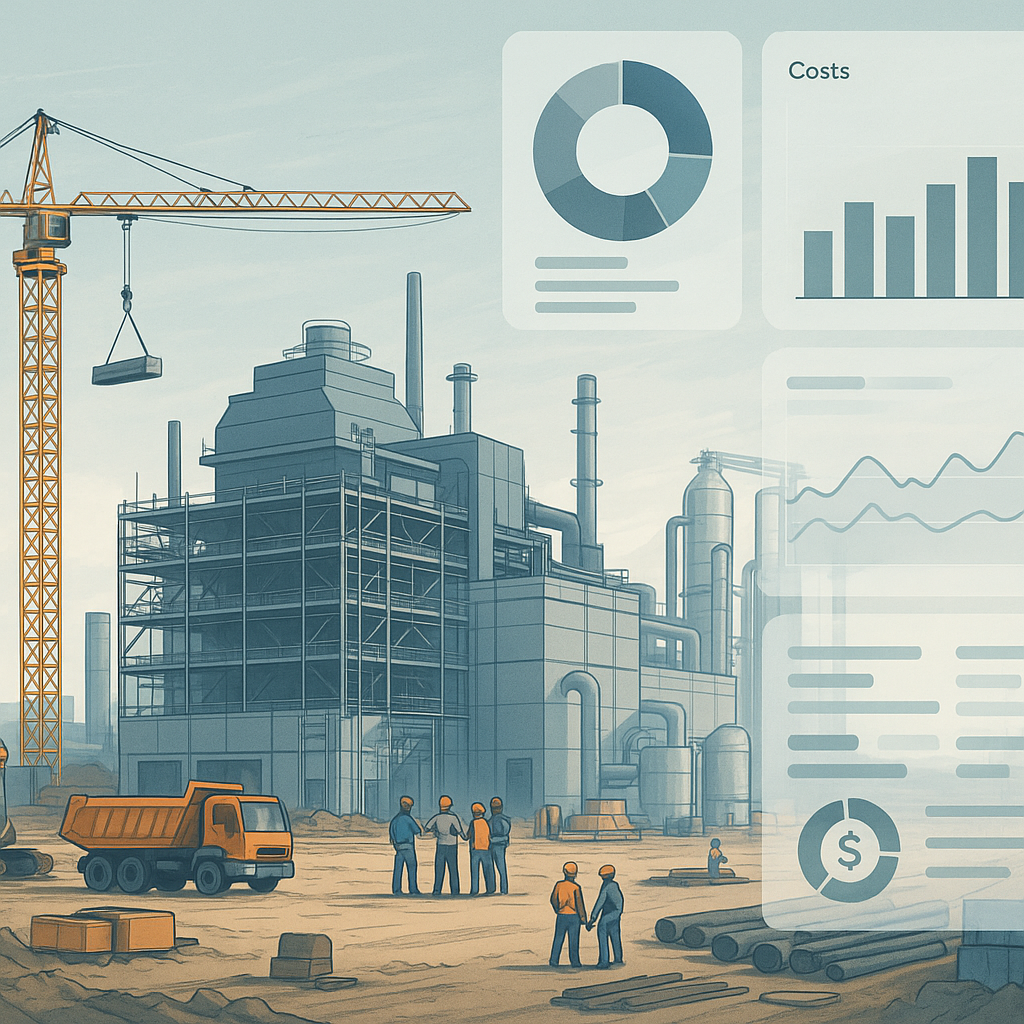
USG’s decision to invest $1.2 billion in a new Texas factory is a wake-up call for contractors. Big projects like these signal opportunity, sure. But they also expose a brutal reality: scaling profitably in construction is harder than it looks. Many contractors expand their operations only to watch margins erode under poor cost control and operational inefficiencies.
This article dives deep into the less-discussed challenges of large-scale construction projects, offers actionable solutions, and wraps up with a practical FAQ to help contractors navigate these turbulent waters.
Why Large Projects Are a Double-Edged Sword
Large-scale projects like USG’s Texas factory represent a massive influx of potential revenue. However, they also come with equally massive risks. When the stakes are high, even small mistakes can snowball into significant losses. Below are some of the most common pitfalls contractors face:
1. Margin Erosion
Larger projects mean larger budgets — and larger risks of overruns. Miscalculations on material, labor, or equipment can quickly spiral out of control. For example:
- Material overuse: On a $1.2 billion project, even a 2% overrun on concrete or steel can lead to millions in unexpected costs.
- Labor inefficiency: Poor crew management can result in delays and ballooning overheads.
2. Billing Gaps
Missed invoices or inconsistent billing methods can leave money on the table. Imagine completing 80% of a milestone but only invoicing for 60% due to poor tracking — that’s cash flow you may never recover.
3. Disconnected Systems
When teams rely on a patchwork of spreadsheets, outdated tools, and siloed software, the lack of integration leads to chaos. For instance:
- Procurement teams might overspend because they don’t have real-time visibility into budgets.
- Payroll errors might arise when HR systems don’t sync with project timelines.
Real-World Example: The Overrun Disaster
A California-based contractor lost over $5 million in profit on a $200 million project because their material tracking relied on spreadsheets. A simple error in steel quantity estimation cascaded throughout the project, leading to significant overruns.
The Fix: Real-Time Project Profitability Tracking
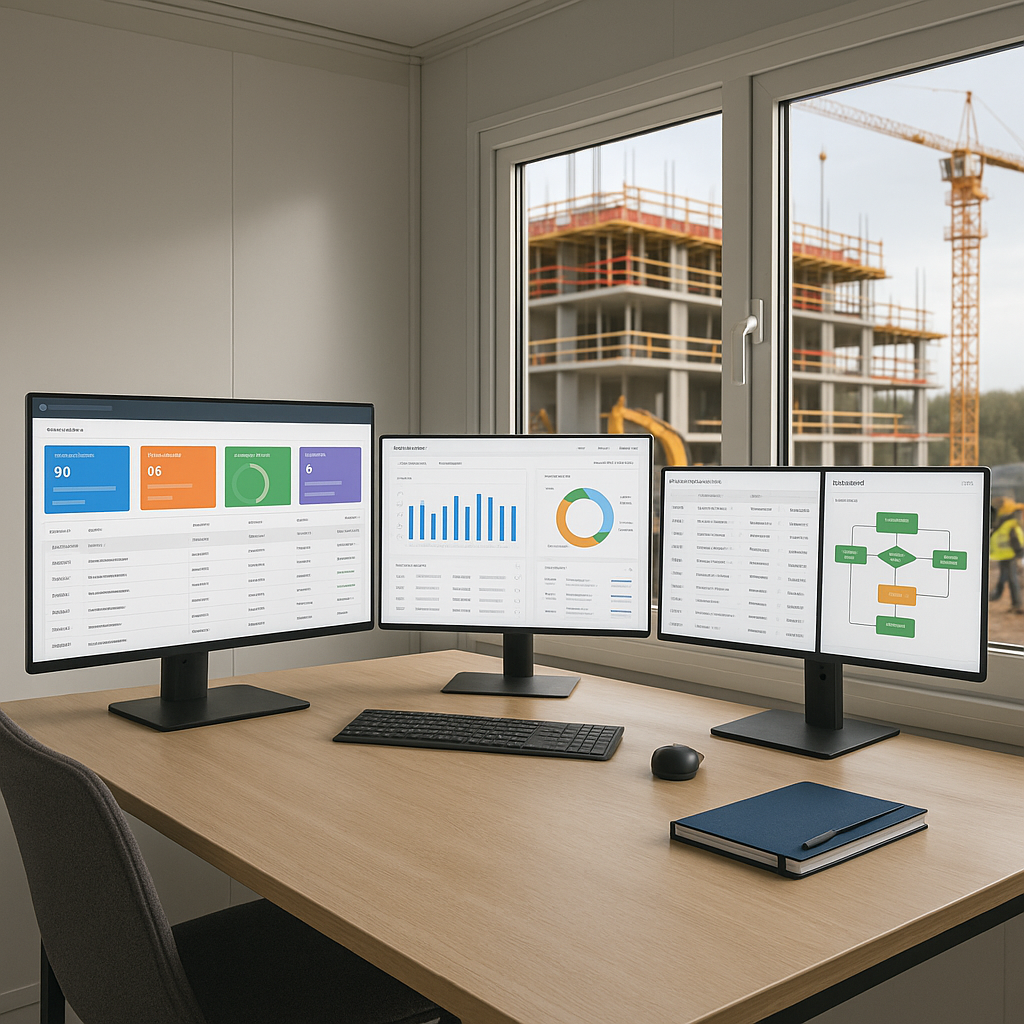
To combat these challenges, contractors need tools that provide visibility into project profitability at every stage. That’s where platforms like JobNext come into play. By enabling real-time tracking of costs and budgets, these tools prevent margin leaks before they occur.
Key Features of JobNext
-
Cost vs. Budget Alerts
- JobNext automatically flags overspending in real time. For instance, if a subcontractor exceeds their labor budget, the system triggers an alert, allowing immediate corrective action.
-
BOQ Margin Analysis
- The platform enables contractors to drill down into individual cost components — labor, materials, equipment, and overhead — to identify profit killers.
-
Integrated Billing Methods
- With six billing methods (RA Bills, stage-wise, monthly, etc.), JobNext ensures accuracy and timeliness in invoicing, reducing billing gaps.
Case Study: A Subcontractor Saved $300,000
A mid-sized contractor working on a $50 million warehouse project in Arizona used JobNext to manage subcontractors. By tracking progress-based milestones instead of vague progress reports, they uncovered $300,000 in overbilled invoices, which were immediately corrected.
Why Scaling Profitably Requires Discipline
USG’s $1.2B investment isn’t just about pouring concrete. It’s about managing complexity — budgets spread across multiple vendors, labor teams, and equipment fleets. Contractors tackling projects of this scale must operate with military precision.
The Role of Integrated Systems
A unified ERP platform like JobNext replaces the patchwork of disconnected tools many contractors use. Here’s how it helps:
-
Budget Enforcement
- Every purchase order or labor allocation is validated against approved budgets to prevent overruns.
-
Compliance Peace of Mind
- Automatic GST/TDS calculations and statutory deductions keep contractors compliant with tax regulations.
-
Equipment Utilization
- Poor visibility into fleet operations often leads to underutilized or idle equipment. JobNext’s asset lifecycle tracking ensures machines are used efficiently, maximizing ROI.
Actionable Steps for Contractors
-
Audit Your Current Tools
- Are your procurement, payroll, and project management systems integrated? If not, you’re leaving efficiency on the table.
-
Start Small with Automation
- Automating one function, like payroll or invoicing, can deliver quick wins and build momentum for broader digital transformation.
-
Train Your Teams
- Even the best tools fail if employees don’t know how to use them. Invest in training to ensure adoption.
Lessons for Contractors Watching Texas
What should contractors learn from USG’s Texas factory? Scale doesn’t guarantee profit. If your systems and processes are broken at five projects, adding 15 more won’t fix them. It’ll only amplify the chaos.
Instead, contractors should focus on building robust systems that prioritize visibility, discipline, and automation. Below are specific areas to target:
| Challenge | Traditional Approach | Modern Solution |
|---|---|---|
| Procurement overspending | Manual approval processes | Automated MR → RFQ → Vendor Offers |
| Labor cost misallocation | Manual time tracking | Site-based attendance integration |
| Billing and cash flow gaps | Disconnected invoicing | Integrated real-time billing |
FAQs: Scaling Profitably in Construction
1. What’s the first step to fixing margin erosion?
Start by identifying your biggest cost drivers. Use tools like JobNext to analyze historical data and flag patterns of overspending. Once you know where the leaks are, you can prioritize fixes.
2. How can I manage subcontractors effectively?
Tie their invoices to measurable progress metrics. For example, use tools that track milestones and deliverables instead of relying on vague progress reports.
3. What’s the ROI of an integrated ERP system like JobNext?
Contractors typically see a 10-15% improvement in project profitability within the first year, driven by better budget control, fewer billing gaps, and improved resource utilization.
4. Are these tools only for large contractors?
No. Even small and mid-sized contractors benefit from real-time insights and automation. In fact, smaller teams often see quicker ROI because inefficiencies are more pronounced.
5. How do I get my team to adopt new tools?
Start with a pilot project. Choose one where inefficiencies are obvious, and demonstrate quick wins. Then, roll out gradually while providing ongoing training and support.
The Bottom Line
Scaling profitably isn’t about chasing bigger projects. It’s about executing them efficiently. If your team can’t control costs on a $10 million job, they’ll struggle even more on a $100 million one.
As contractors eye opportunities like USG’s Texas factory, the question isn’t "Can we win the bid?" The real question is "Can we deliver profitably?"
Call to Action
If you’re dealing with margin erosion or disconnected systems, JobNext can help. Our platform is purpose-built for contractors managing complex projects. Get started free →