Why Contractors Without Cloud ERP Are Bleeding Margins (And How to Stop It)
Margin erosion. It's the silent killer for contractors. You're juggling multiple projects, suppliers, subcontractors, and approvals. But at the end of the month, you're staring at thin (or negative) margins. What went wrong?
Most contractors I talk to blame poor cost tracking. And they’re not wrong. When you're using Excel sheets or disconnected tools for tendering, procurement, billing, and payroll, costs slip through the cracks. A missed variation order here, an unapproved subcontractor payment there — it all adds up.
So, how do you fix it? A Cloud ERP purpose-built for contractors.
Real-Time Profitability Tracking: Why It Matters
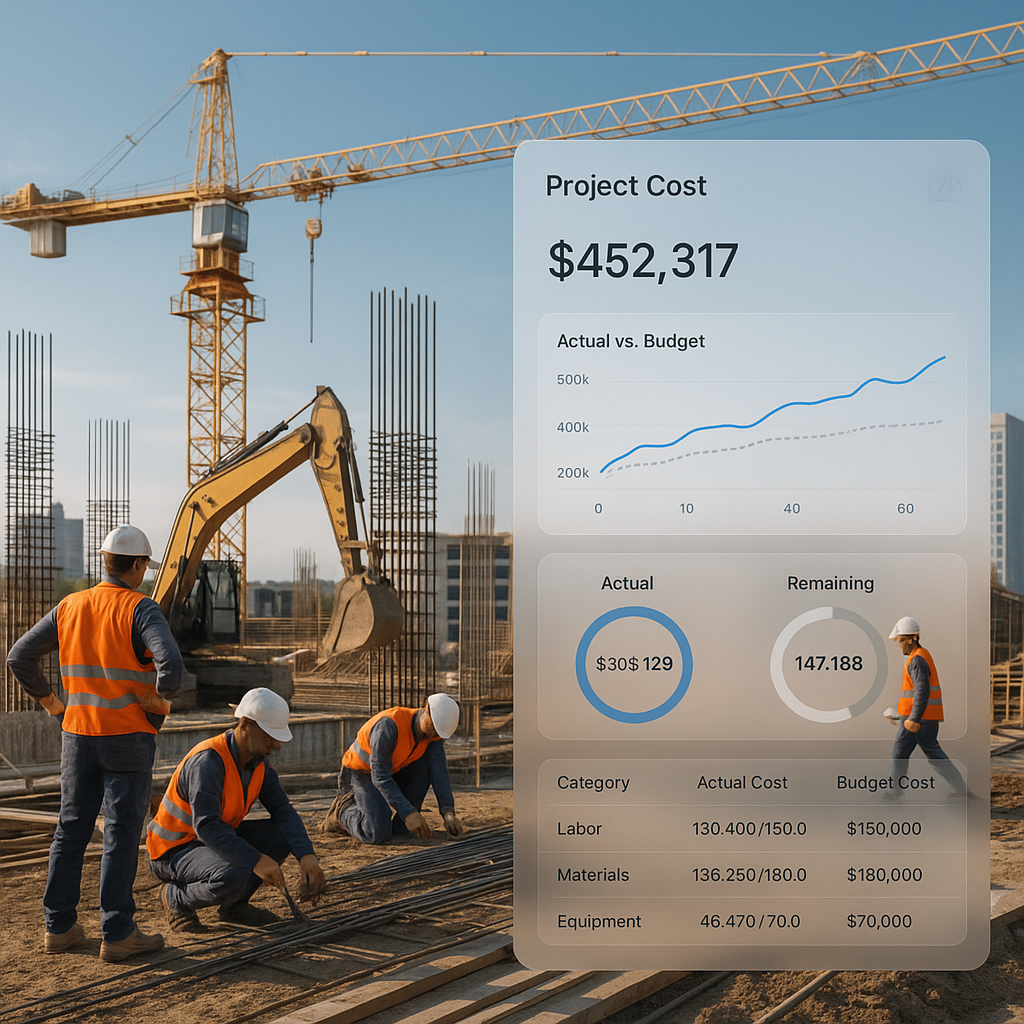
Let's get specific. You need to know, at any given moment, whether a project is profitable or not. That means tracking costs across your BOQs, scopes, and estimates in real time. But most contractors don’t have this visibility. They rely on outdated reports or wait until the project ends to figure out if they made money. By then, it’s too late.
Here’s a practical example: One of our clients, a mid-size HVAC contractor in Mumbai, was managing a portfolio of 12 ongoing projects. They used Excel for BOQs and standalone accounting software for financials. The problem? They couldn't reconcile material costs and subcontractor payments against the original project estimate until months later. By that point, they had already overspent on three projects.
With a cloud-based ERP like JobNext, they started tracking costs against BOQs in real time. Now, every material request, purchase order, and subcontractor invoice is linked to the project budget. Overspending gets flagged immediately, not months later.
Why Cloud ERP Beats Spreadsheets (Every Time)
You might think, “Why not just improve our Excel process?” It’s tempting because Excel is familiar. But here’s the problem:
- No real-time data: By the time you compile and analyze, the damage is done.
- Human errors: A single formula mistake can blow up your budget tracking.
- No integration: Excel doesn’t talk to your procurement, payroll, or billing systems.
Cloud ERP solves these issues. It’s all integrated. For example, when you create a material request in JobNext, it flows automatically into your procurement workflow, updates your project cost report, and triggers an approval if it exceeds the budget. No manual entry. No double-checking.
Addressing the Skeptics: “Isn’t Cloud ERP Overkill?”
Some contractors hesitate. They think ERP is only for giant corporations. Not true. Solutions like JobNext are designed for small to mid-size contractors. And because it’s cloud-based, there’s no massive upfront investment. You pay monthly, based on what you use.
Still worried about complexity? Here’s a tip: Start small. Use the ERP to solve one problem first — like cost tracking or billing. Once you see the ROI, expand to other modules like HR or equipment management.
What If You Don’t Switch?
Let’s be blunt: If you stick with manual processes, your competitors will leave you behind. The construction industry is already under pressure with rising material costs and tight deadlines. Without the right tools, you’re playing a losing game.
And it’s not just about survival. With real-time visibility, you can actually take on more projects with confidence. That’s how you grow.
Next Steps
If margin erosion is a problem for you, it’s time to look into cloud ERP. Tools like JobNext are built for contractors like you. They give you real-time profitability tracking, integrated procurement workflows, and automated billing — all in one platform. Start with a free trial and see the difference for yourself.
Don’t let poor cost tracking kill your business. Take control.