Why Did Construction Costs Surge in May?
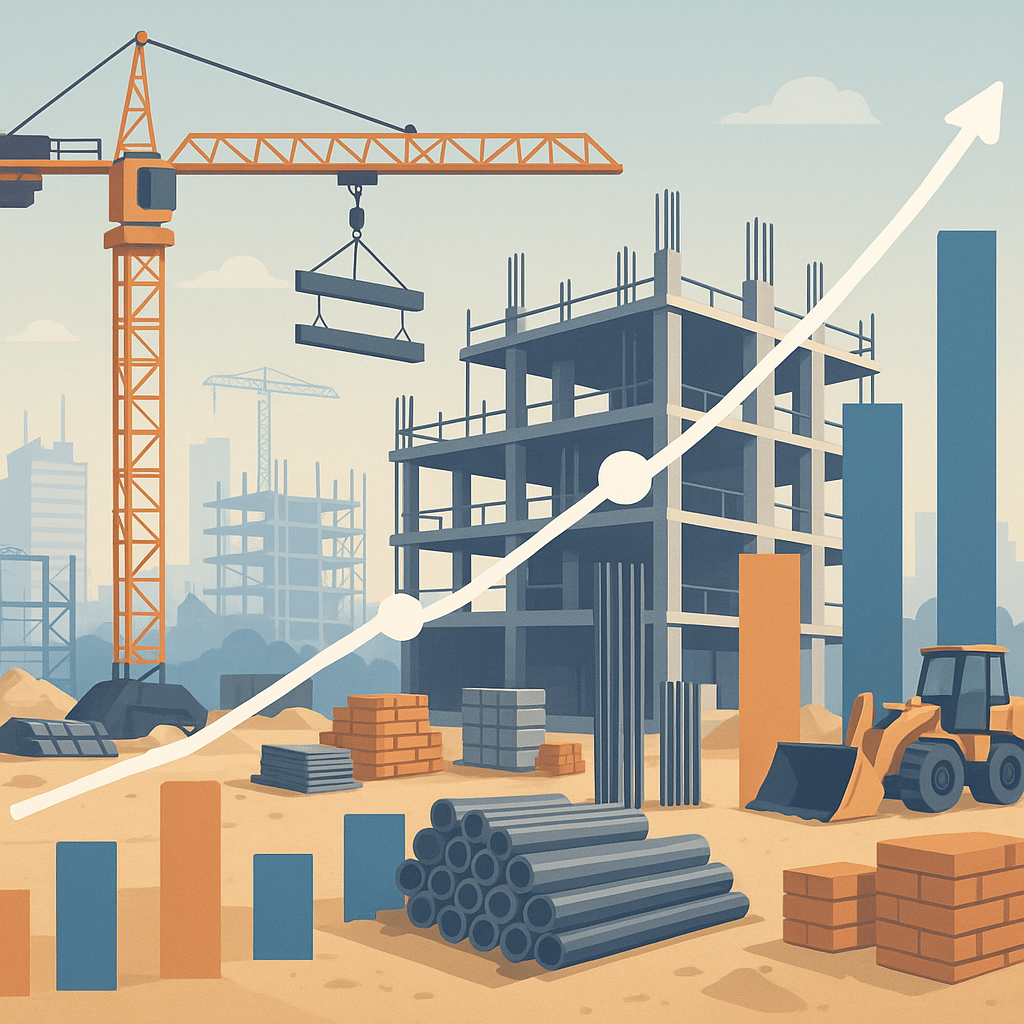
In May, construction costs spiked at their fastest annual rate since the pandemic. If you’re in the industry, this probably doesn’t surprise you. Steel prices jumped again, cement suppliers revised rates mid-project, and labor shortages drove wages up. According to Reuters, material prices increased significantly year-on-year, with high-demand items like rebar and aggregates seeing the sharpest hikes.
But why now? The usual culprits—supply chain disruptions, rising fuel prices, and post-pandemic inflation—are still in play. Add to this a global push for infrastructure projects and you’ve got a recipe for spiraling costs. Contractors, especially in regions with heavy infrastructure demand, are feeling the pinch. Margins are thinner than ever, and some bids are turning into loss-making challenges.
The Hidden Risk: Poor Procurement Planning
Most contractors know material prices fluctuate. But many still don’t lock in their high-volume materials early. When steel or cement prices spike mid-project, the budget takes a hit—and so does the bottom line. A 2023 McKinsey report found that a significant portion of construction cost overruns are tied to procurement issues.
Here’s the thing: you can’t control market prices, but you can control how you buy. Rate contracts, for instance, are a proven way to hedge against price volatility. By negotiating fixed rates for high-use materials before mobilization, you lock in costs during the budgeting phase. This ensures your estimates match actual procurement costs.
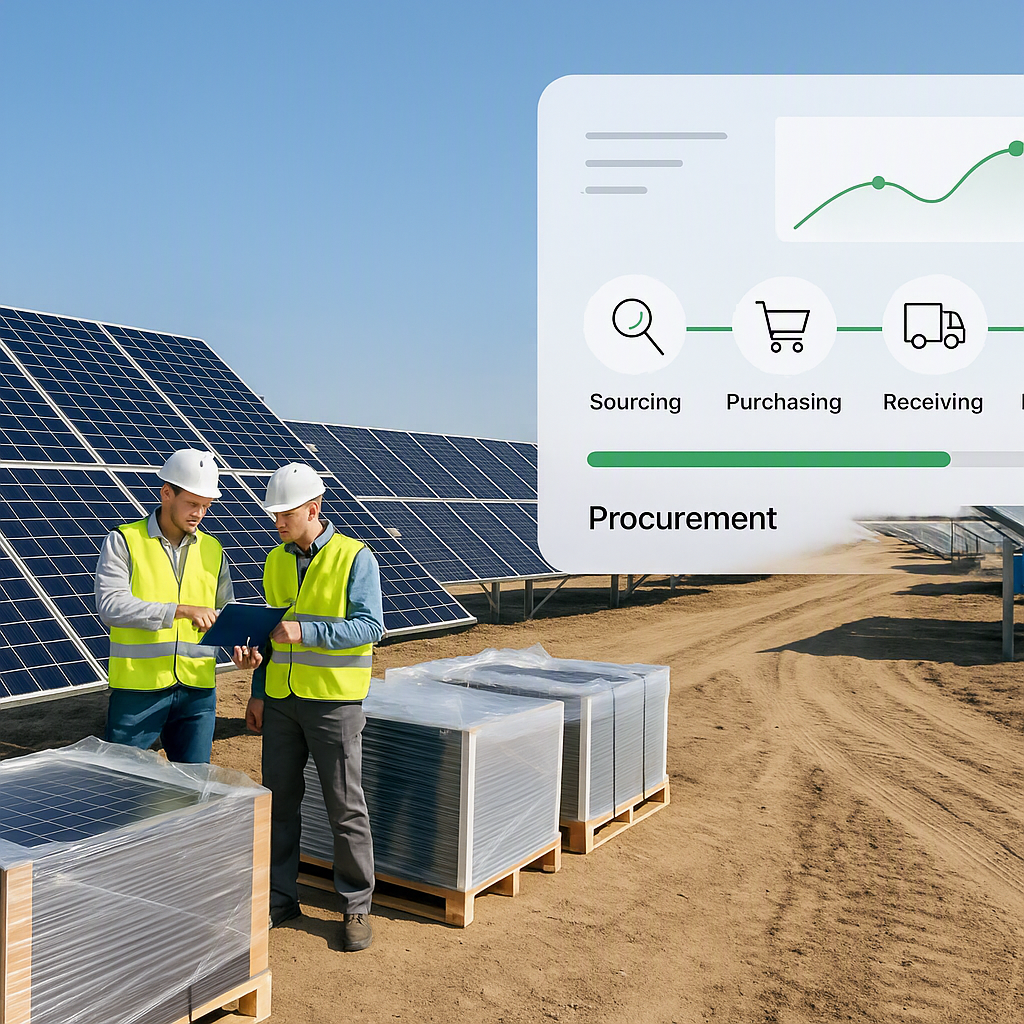
Tools like procurement management software can make this process easier. Such systems support rate contracts for repeat purchases—steel, cement, pipes, etc.—and track their expiry dates so you don’t get blindsided by lapsed agreements. They also automate the Material Request (MR) → RFQ → Vendor Offers → PO chain, reducing manual effort and approval delays.
The Bigger Picture: Real-Time Cost Tracking
Procurement is just one piece of the puzzle. Rising costs also expose gaps in cost tracking. Many contractors still rely on Excel or outdated systems that don’t show real-time project profitability. By the time they catch an overrun, it’s too late.
Modern ERP systems tackle this head-on with resource-level cost tracking. Every BOQ item is broken into resource factors—Materials, Labor, Machines, Subcontractors, and Overheads. These platforms reconcile actual costs against budgeted estimates for each resource type, flagging variances early.
Illustrative example — If material costs exceed budget, you’ll know which items (cement? steel?) are driving the overrun and why (price hike? wastage?). This lets you adjust your procurement strategy or renegotiate rates before the damage spreads.
Actionable Steps for Contractors
- Negotiate Rate Contracts Early: Lock in prices for high-volume materials before mobilization. Use a procurement tool to track contract terms and expiry dates.
- Monitor Variances in Real Time: Use an ERP to compare actual costs vs. estimates across all resource categories.
- Plan for Inflation: Include escalation clauses in long-term contracts to account for rising costs.
- Diversify Suppliers: Don’t rely on a single vendor for critical materials. Competitive RFQs keep prices in check.
- Automate Approvals: Reduce procurement lead times by automating the MR → RFQ → PO process.
Common Questions
Q: What’s the best way to handle mid-project price hikes?
A: First, check if you have escalation clauses in your contract. If not, renegotiate with suppliers or adjust your cash flow to absorb the difference. Going forward, use rate contracts to lock in prices.
Q: How do I track procurement efficiently?
A: Use an ERP with a dedicated procurement module. It should automate the MR → RFQ → Vendor Offer → PO workflow and flag rate variances.
Q: How can I pass cost increases to clients?
A: Escalation clauses are key. For fixed-price contracts, highlight cost risks during tendering and include a contingency buffer.
Q: Can small contractors afford ERPs?
A: Yes. Many ERP systems are designed for small to mid-size contractors and offer affordable subscription plans. Plus, the savings from better cost management often outweigh the subscription cost.
Final Thoughts
Rising construction costs aren’t going away. But contractors who stay proactive—locking in rates, tracking costs in real time, and automating procurement—can protect their margins. If you’re still relying on spreadsheets or disconnected tools, now’s the time to rethink your approach.