Structural Failures in Construction: Lessons for Contractors
The Problem Nobody Talks About
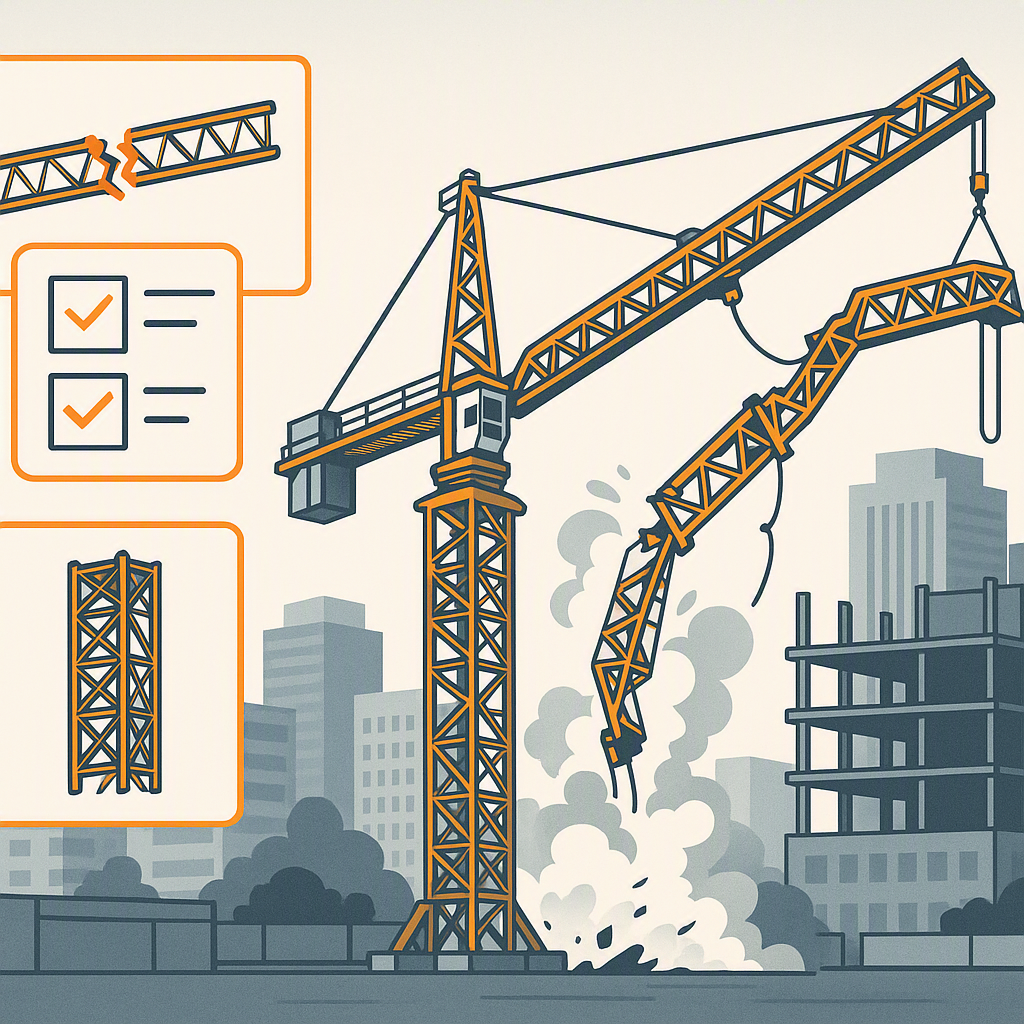
When news of the NYC crane collapse—the so-called ‘Widow-Maker’—hit the headlines, my first reaction was frustration. Not surprise. Why? Because the same mistakes keep happening. Poor subcontractor oversight, rushed decisions, and corners cut to save time or money.
The tragedy wasn’t just a fluke. It was systemic. And while legal battles are inevitable, the real question isn’t about liability—it’s about prevention. How do you stop this from happening to your projects?
What Went Wrong?
The NYC collapse stemmed from what investigators suspect was a structural failure in the crane’s rigging. Early reports indicate improper load distribution and inadequate inspection protocols. But let’s not get stuck on technicalities. The bigger issue? The subcontractor responsible for the crane setup reportedly had a history of safety violations. This isn’t rare.
A 2023 report by Engineering News-Record found that many contractors skip comprehensive vendor vetting due to "time constraints." Think about that. A significant portion are gambling with safety, budgets, and reputation because they’re in a rush.
The Myth of the L1 Bidder
Here’s the outdated belief that gets so many contractors in trouble: "The lowest bidder is always the best choice." It’s not. In fact, it’s often the riskiest.
From experience, chasing the lowest price without considering technical capability, safety records, or past performance is like playing roulette with your projects. You might win a few times, but eventually, the wheel turns against you. And the cost? It’s not just financial. It’s human lives.
What Changed My Mind?
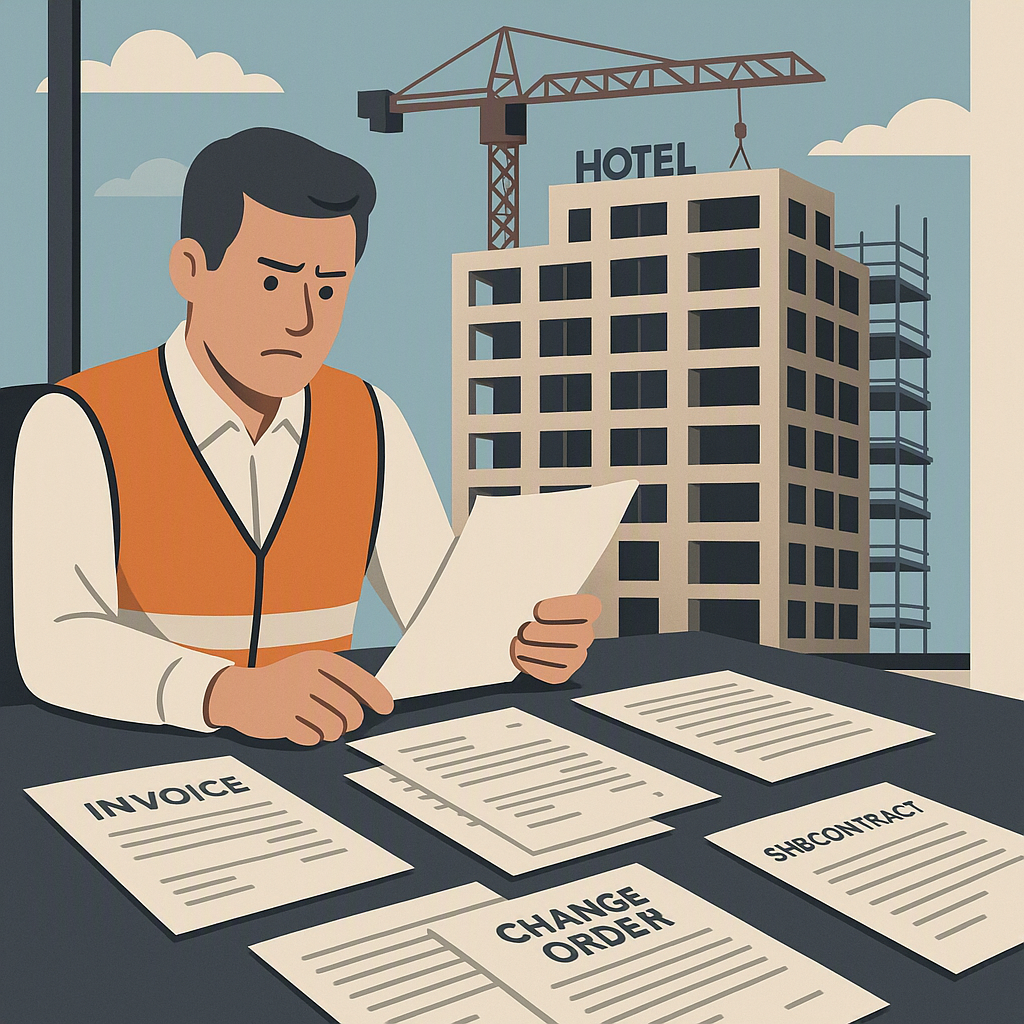
A subcontractor dispute we faced in the past was a wake-up call. We awarded a critical scaffolding package to a low-cost vendor without digging into their compliance history. Within weeks, the scaffolding collapsed on-site. Thankfully, there were no injuries, but the job halted for weeks, and we faced significant penalties, rework, and lost time.
That incident taught me what JobNext’s docs now stress explicitly: evaluate beyond price. Their procurement module, for instance, makes you document technical approvals, financial stability, and safety compliance before finalizing a subcontractor. It’s not optional. It’s baked into the workflow.
How JobNext Fits In
Let’s get specific. JobNext’s Comparative Statement tool doesn’t just compare price; it tracks total landed cost, technical ratings, and compliance checks. It even flags discrepancies between proposed rates and your budgeted estimates. This isn’t just about convenience—it’s about accountability.
For example, if you’re awarding a crane operation package, you can:
- Verify the subcontractor’s safety certifications.
- Compare mobilization timelines.
- Review their track record on similar jobs.
And here’s the kicker: the system forces you to document your selection rationale. Awarding to a vendor who isn’t the lowest bidder? Fine. But you’ll log why—whether it’s technical superiority, faster mobilization, or a cleaner safety record. If a dispute arises, you’ve got an audit trail.
Why the Old Belief Persisted
Let’s be fair. The old "L1 bidder" mindset wasn’t irrational. It came from a time when margins were tight, and cost control was paramount. But the industry has evolved. Today, the risks of poor vendor selection—legal suits, project delays, and reputational damage—far outweigh the short-term savings.
And yet, many contractors still operate like it’s 2005. Why? Because change is hard. Vetting vendors properly takes time and effort. It feels like a luxury until disaster strikes.
What We Do Differently Now
Since 2020, we’ve overhauled our subcontractor selection process. Here’s what’s changed:
- Mandatory Prequalifications: Every subcontractor must clear a technical and compliance review before they’re even invited to bid.
- Documented Selection Criteria: We log every decision—why Vendor A was chosen over B, even if A wasn’t the cheapest.
- Post-Award Monitoring: Even after awarding a package, we track performance metrics like safety, timeline adherence, and quality.
JobNext makes this easier by automating much of the grunt work. For instance, their Subcontractor Measurements module ensures that work progress is accurately tracked and tied to payments. No more guesswork. No more surprises.
What Being Wrong Cost Us
Looking back, that scaffolding collapse was a turning point. But it was an expensive lesson. Not just financially. It cost us trust—both with our client and among our own team.
And here’s what I’m still not sure about: how do you convince the rest of the industry to adopt better practices before their own ‘Widow-Maker’ moment? Because let’s be honest, many won’t. Not until it’s too late.
FAQ
Q: Isn’t vetting vendors this thoroughly time-consuming?
A: It can be, but tools like JobNext streamline the process by automating compliance checks and selection documentation. Plus, the time saved on rework and disputes more than makes up for it.
Q: What if a qualified subcontractor is too expensive?
A: Consider the total cost. A slightly higher bid from a reliable vendor often saves money in the long run by avoiding delays, rework, and penalties.
Q: Can JobNext’s system handle multi-company operations?
A: Yes. It’s designed for contractors managing multiple projects and entities, with features like role-based access and multi-currency support.
Q: How do I ensure subcontractors maintain safety standards post-award?
A: Use tools like JobNext’s Subcontractor Measurements module to track progress and compliance in real-time. Attach evidence like photos and reports to keep everyone accountable.
If you’re tired of gambling with safety and margins, JobNext can help. Get started free →