How GCC and Indian Contractors Can Leverage US BUILD Grants
When the US Department of Transportation announced billions in BUILD grants for infrastructure projects, it seemed like an opportunity primarily for US-based contractors. However, a closer look reveals that GCC and Indian contractors can also benefit indirectly by forming partnerships with US firms and aligning with compliance requirements.
Understanding the Opportunity
BUILD grants are designed to fund US infrastructure projects, which might initially seem to exclude international contractors. However, these projects often involve complex supply chains, subcontractor networks, and material procurement, creating opportunities for international firms to contribute as suppliers or subcontractors.
Why Contractors Often Overlook These Opportunities
Many contractors in the GCC and India dismiss such opportunities due to the perceived complexity of compliance, vendor registration, and cross-border workflows. Additionally, managing local tendering and procurement processes can already be challenging, making international projects seem daunting.
However, ignoring these opportunities can mean missing out on potential revenue streams. By partnering with US firms, GCC and Indian contractors can tap into procurement and subcontracting opportunities tied to BUILD-funded projects.
Practical Steps for Contractors
If you’re a GCC or Indian contractor looking to explore these opportunities, here are some practical strategies:
-
Track Vendor Compliance Early BUILD grants come with strict compliance requirements, such as insurance coverage, safety certifications, and labor standards. Verifying these across multiple subcontractors can be challenging without the right tools.
Centralized platforms can help streamline compliance checks, ensuring that all documentation is in place and creating an audit trail for vendor selection. This is critical when dealing with US-based funding.
-
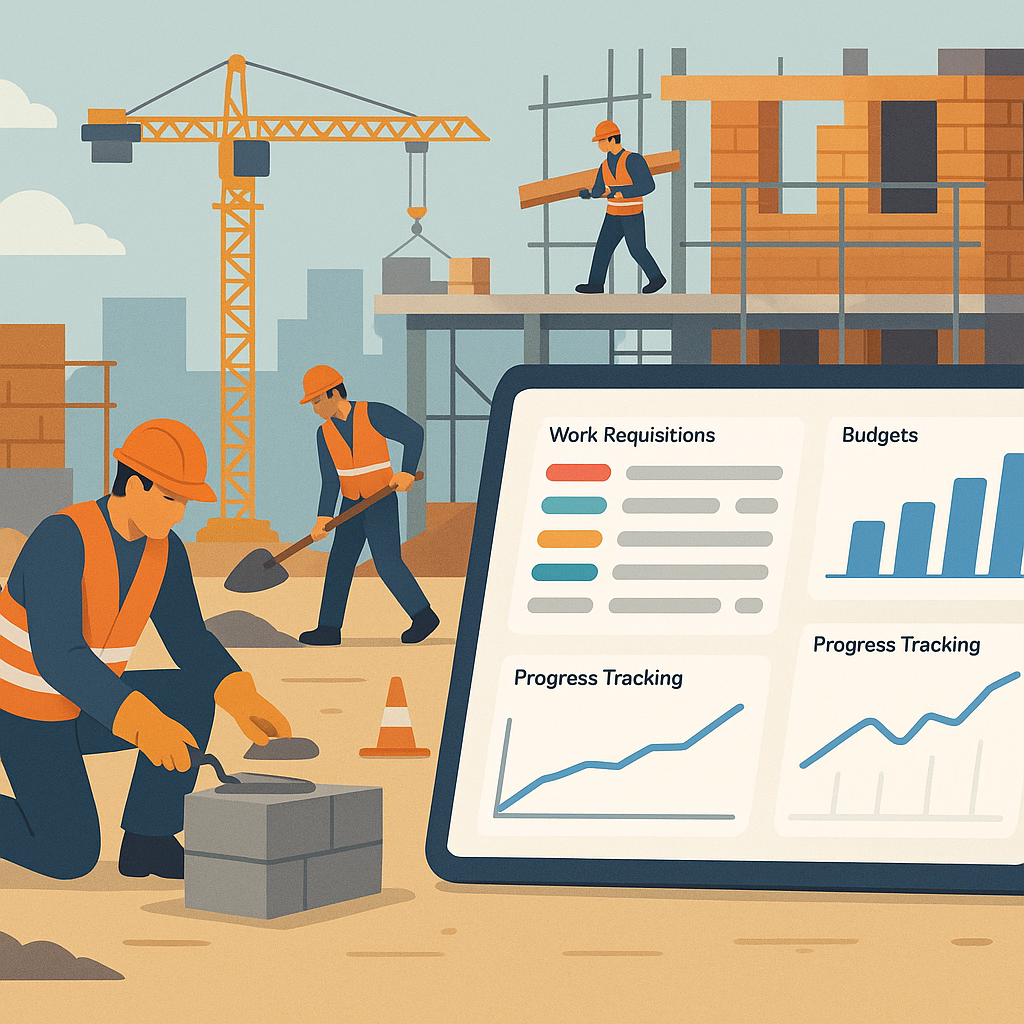
Focus on Budget Discipline Poor cost tracking can lead to margin erosion, especially when partnering with US firms for BUILD-funded projects. Every material purchase, subcontractor payment, and equipment hire must align with approved budgets.
Using project profitability monitoring tools can help track costs against budgets at a granular level, flagging potential issues before they escalate.
-
Leverage Subcontractor Management US firms often require milestone-based payments, retention percentages, and detailed progress tracking. Structured workflows are essential to meet these requirements.
Implementing systems that link work requests, RFPs, work orders, and progress measurements ensures that subcontractor tasks are tracked and payments are processed based on verified progress.
Challenges to Consider
While these opportunities can be lucrative, they come with challenges. The administrative burden of compliance and documentation can be significant, particularly for smaller firms. Contractors need to carefully weigh the potential benefits against the resources required to meet these demands.
Conclusion
By understanding the requirements and leveraging the right tools, GCC and Indian contractors can position themselves to benefit from US BUILD grants through strategic partnerships and compliance. While the process may seem complex, the potential rewards make it worth exploring.