Hard FM Success: Why Preventive Maintenance Matters
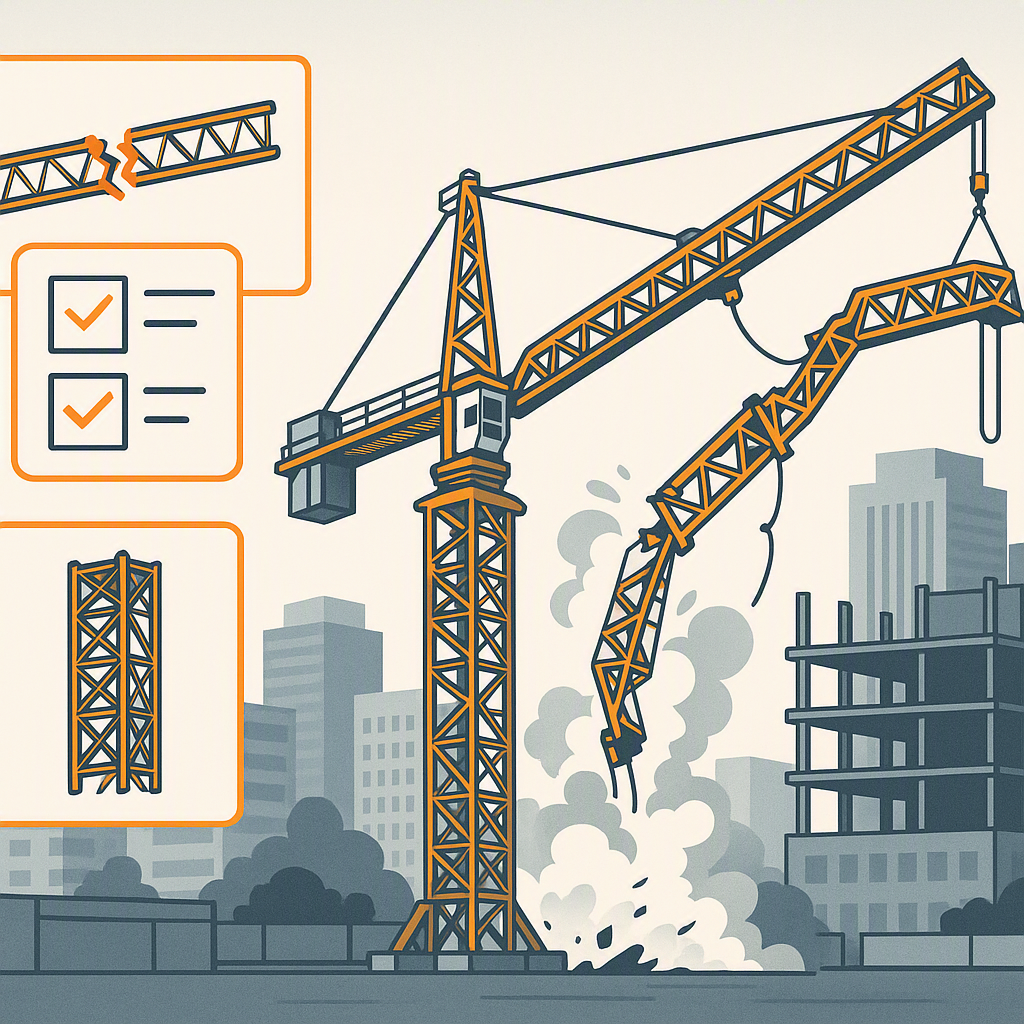
Hard facilities management (Hard FM) focuses on maintaining essential assets like HVAC systems, elevators, fire safety equipment, and other critical infrastructure. When these systems fail, the consequences can be dire. You’re not just dealing with repair costs; you’re looking at downtime, SLA (service-level agreement) penalties, and dissatisfied clients. Reactive maintenance, while unavoidable in some cases, is an expensive approach that systematically erodes your margins over time.
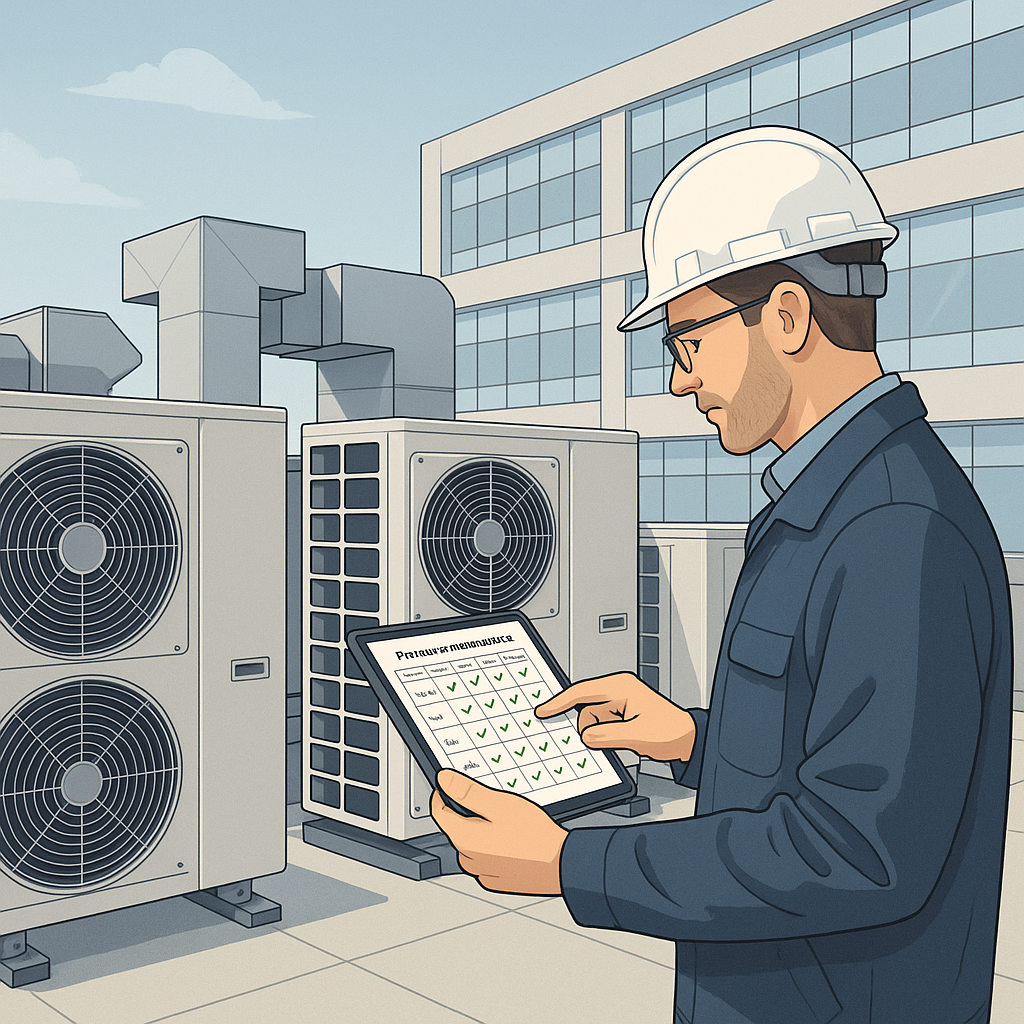
Preventive planned maintenance (PPM) flips the script. Regular, scheduled upkeep ensures assets stay functional, saving contractors from costly surprises and extending the lifespan of equipment. But PPM isn’t as simple as setting calendar reminders. To do it right, you need a robust system that tracks schedules, logs activities, and flags overdue tasks. Without these elements, even the best intentions can fall apart.
Common Challenges Hard FM Contractors Face
1. Missed Maintenance Windows
Imagine a scenario: a building’s HVAC system is overdue for servicing right before the peak summer season, but the task slips through the cracks. The result? The system fails when it’s needed most, leading to tenant complaints, emergency repair costs, and potential SLA penalties. Missing a PPM window can turn what should have been a minor task into a major catastrophe.
2. Disconnected Records
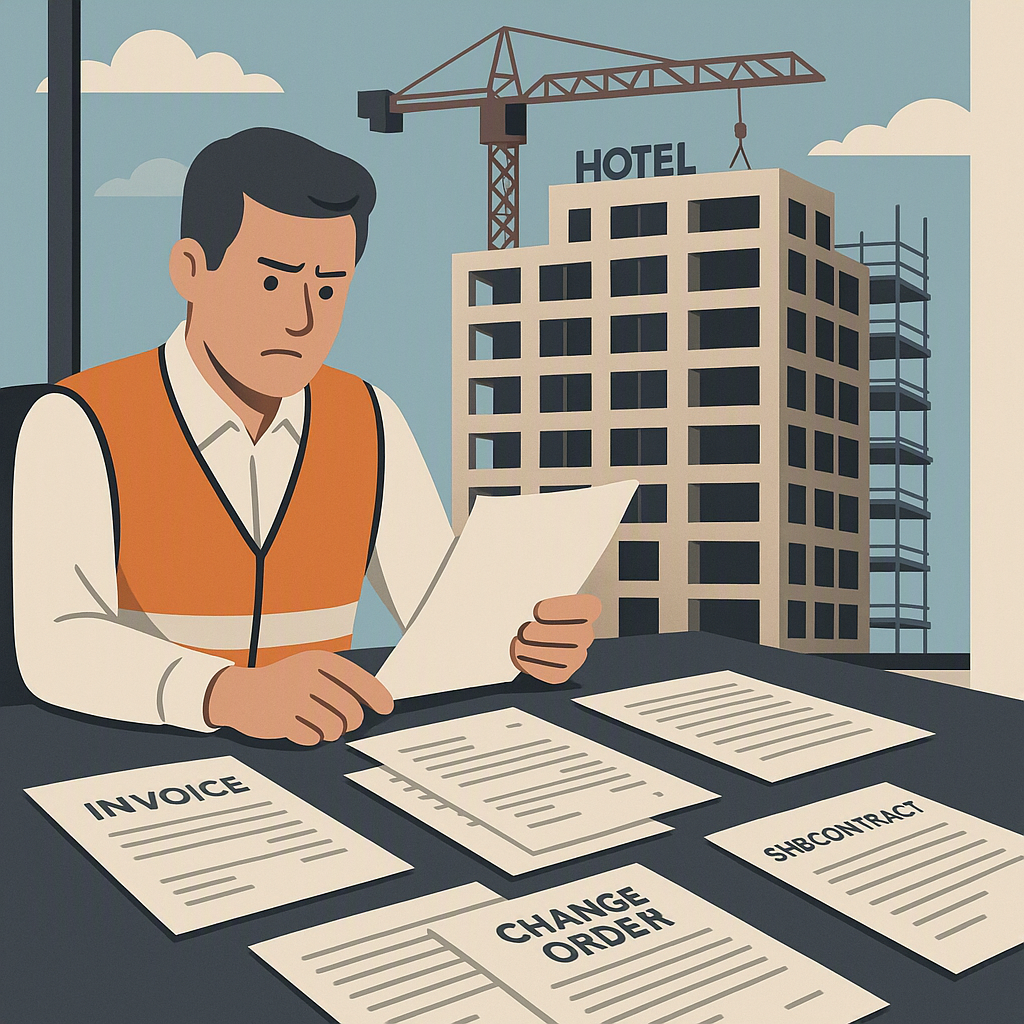
Many contractors still rely on spreadsheets, paper logs, or siloed systems to manage maintenance schedules. This setup is prone to human error—one missed update can lead to duplicate work, missed tasks, or incomplete records. Worse yet, when you need to provide compliance documentation or asset performance reports, you’re left scrambling to piece together fragmented data.
3. Cost Mismanagement
PPM isn’t free—it requires labor, parts, and sometimes minor downtime. Without a clear tracking system, you might end up overspending on unnecessary checks or underspending on critical tasks. Both scenarios are dangerous: overspending eats into your margins, while underspending increases the risk of asset failure and higher emergency repair costs down the line.
How to Build a Preventive Maintenance System That Works
Setting up an effective PPM system requires more than just good intentions. Here’s a step-by-step approach to get you started:
Step 1: Centralize Your Asset Records
Every piece of equipment under your care needs a digital home. Start by creating a master list of all Hard FM assets. Key details to include are:
- Asset location
- Purchase date
- Warranty expiration
- Maintenance history
- Manufacturer guidelines
Centralization eliminates guesswork. Platforms like JobNext ERP simplify this process with built-in asset management modules, ensuring everything is stored in one accessible, organized system.
Step 2: Define Maintenance Schedules
Not all assets require the same frequency of checks. Use manufacturer guidelines, industry best practices, and your contracts’ SLAs to set maintenance schedules for each asset. For example:
- HVAC systems: Quarterly inspections
- Elevators: Monthly checks
- Fire safety equipment: Annual servicing
With a preventive maintenance platform like JobNext, you can assign customized schedules to individual assets in minutes. This ensures you’re covering all bases without over- or under-servicing.
Step 3: Automate Task Alerts
Relying on memory or manual reminders is a recipe for disaster. Automate task notifications for upcoming and overdue maintenance. Automated alerts streamline workflows, reduce human error, and ensure accountability across your team.
Step 4: Track Costs and Performance
PPM isn’t just about completing tasks—it’s also about measuring their impact. Keep a detailed log of all maintenance activities and associated costs. For example:
- How much are you spending annually on HVAC servicing?
- Are breakdowns still occurring despite regular checks?
Platforms like JobNext provide analytics dashboards that highlight trends, ROI, and areas where costs are spiking. This transparency helps you make better decisions and justify investments in maintenance to clients.
Comparison Table: Preventive vs. Reactive Maintenance
| Aspect | Preventive Maintenance (PPM) | Reactive Maintenance |
|---|---|---|
| Cost | Predictable, planned | Higher due to emergency repairs |
| System Downtime | Minimal, scheduled in advance | Unplanned, often significant |
| Client Satisfaction | Higher, due to reliability | Lower, due to unexpected failures |
| Compliance | Easier to maintain records | Difficult to ensure |
| Asset Lifespan | Extended | Reduced |
FAQs on Preventive Maintenance Systems
Q: How often should Hard FM assets be serviced?
A: The frequency depends on the asset type and manufacturer guidelines. For instance, HVAC systems typically require quarterly maintenance, while elevators often need monthly inspections. Refer to your SLA agreements for client-specific requirements.
Q: What happens if PPM tasks are missed?
A: Missed tasks can lead to equipment breakdowns, higher repair costs, and SLA penalties. In critical systems, failures could pose safety risks or lead to significant downtime, damaging your client relationships and reputation.
Q: How do I justify PPM costs to clients?
A: Preventive maintenance saves money in the long run by reducing emergency repairs and maximizing uptime. Use analytics tools to present hard data and ROI calculations, showing clients the tangible benefits of PPM.
Q: Can I transition from spreadsheets to a PPM platform without disrupting operations?
A: Yes, most modern platforms like JobNext offer onboarding tools to migrate your data from spreadsheets or existing systems. The key is to plan the transition during a low-activity period and train your team in advance.
Q: How do I ensure my team follows through on PPM tasks?
A: Implement automated reminders and assign accountability for each task. Use a platform that tracks task completion and provides visibility into team performance.
Common Mistakes to Avoid
- Skipping Documentation: Always log completed tasks in your system. Without proper records, you can’t prove compliance, track performance, or spot recurring issues.
- Underestimating Costs: Budget appropriately for labor, parts, and downtime. Skimping on PPM can lead to higher expenses later.
- Ignoring Alerts: Automated reminders are only effective if your team acts on them. Build accountability into your workflows to ensure tasks are completed on time.
- Overcomplicating Schedules: Keep PPM schedules realistic and straightforward. Overloading your team with unnecessary checks can lead to burnout and missed priorities.
The Bottom Line
Hard FM contractors can’t afford to take a reactive approach to maintenance. Preventive maintenance saves money, protects margins, and keeps clients satisfied. However, success requires structure, planning, and the right tools. If you’re still juggling spreadsheets or outdated systems, it’s time to upgrade. Platforms like JobNext streamline PPM, turning chaos into control. Start your free trial today—no credit card required.