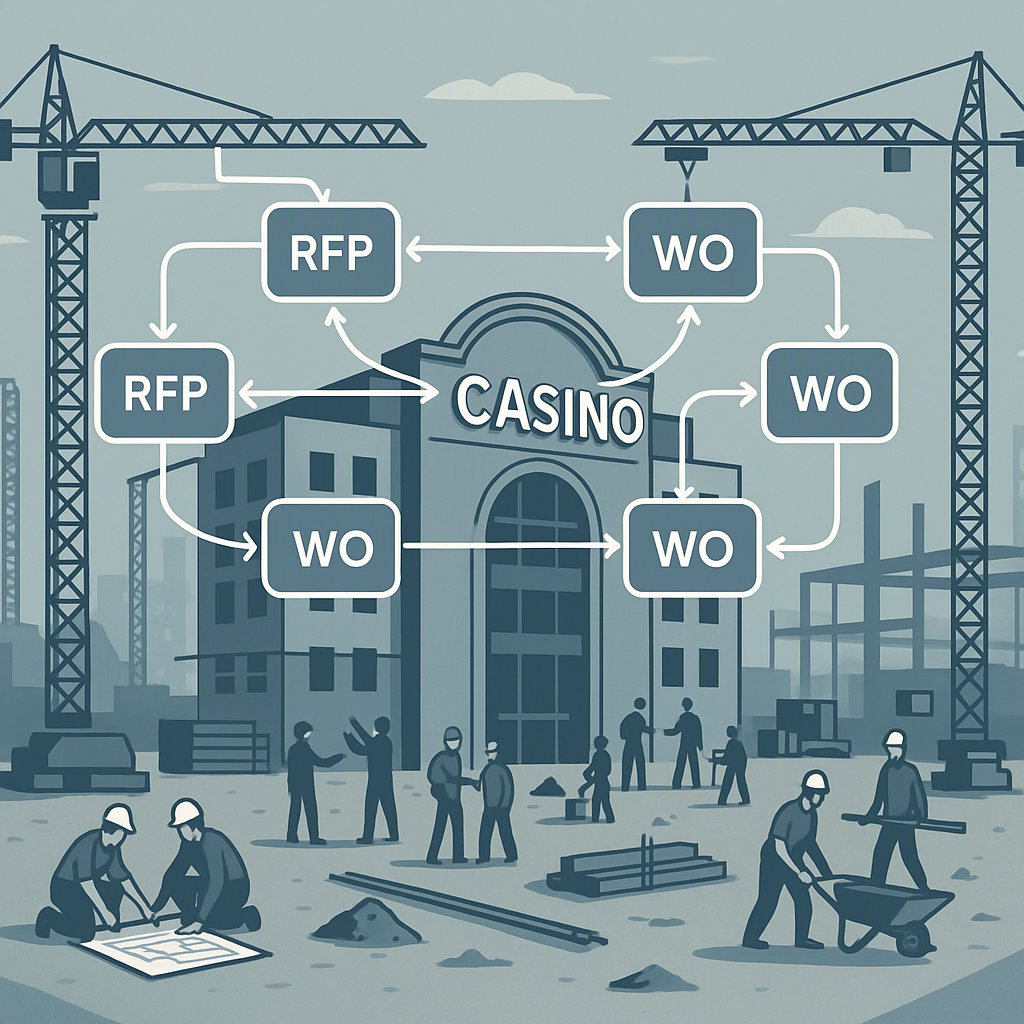
Subcontractor Selection in the GCC: Why It’s Critical
In the GCC construction market, where projects are often large-scale, complex, and time-sensitive, choosing the right subcontractor is critical. A poorly chosen subcontractor can derail timelines, erode margins, and create compliance risks. But how do you evaluate subcontractors effectively? Picking the lowest bidder may seem like the obvious choice, but it rarely delivers long-term value.
Let’s explore the key criteria for subcontractor evaluation, how to incorporate technology for better decision-making, and strategies to ensure compliance with regional standards.
Key Evaluation Criteria for GCC Contractors
When evaluating subcontractors, you need a clear and structured approach. Here are the most important criteria to consider:
1. Total Landed Cost
The lowest price doesn’t always mean the best deal. Focus on the total landed cost — an all-inclusive figure that accounts for the subcontractor’s bid, any additional costs, and potential financial risks. For instance, a cheaper subcontractor might lack the technical expertise required, leading to rework and higher costs later.
2. Technical Capability
Does the subcontractor have the skills, equipment, and workforce to deliver the scope? Verifying technical capability is a must. This includes assessing their experience with similar projects and ensuring adequate resources are available. Structured evaluation processes can link work requisitions (WRs) to technical approval steps, ensuring only qualified subcontractors are considered.
3. Past Performance
A subcontractor’s track record speaks volumes. How have they performed on similar projects? Look at factors like quality of work, ability to meet deadlines, adherence to safety standards, and dispute history. Maintaining a record of subcontractor performance on past work orders creates a reliable reference point for future evaluations.
4. Timeline and Mobilization Feasibility
Can the subcontractor mobilize quickly and work within your project’s tight deadlines? Delays in mobilization can disrupt your entire schedule. Ensure that the proposed timelines are realistic and align with your project’s needs.
5. Compliance and Safety
Compliance is non-negotiable in the GCC. Verify subcontractors’ insurance coverage, safety certifications, and adherence to labor laws. Failure to meet these standards can result in fines and reputational damage. Use structured RFPs (Request for Proposals) to set clear expectations for compliance upfront.
6. Payment Terms
Cash flow is a common challenge for contractors. Evaluate payment terms carefully — milestone-based payments, advance requirements, retention percentages, and credit periods all impact your financial planning. Structured workflows can help you integrate these terms into the evaluation process, offering a clear view of cash flow implications.
Integrating Technology for Better Evaluation
Let’s face it: manually comparing subcontractor proposals is inefficient and prone to errors. Here’s where technology steps in. Digital tools can simplify the evaluation process with features designed for GCC contractors:
- Comparative Evaluation Views: Side-by-side comparisons of subcontractor proposals, considering factors like cost, capability, timeline, and compliance. This ensures you’re not just picking the cheapest option but the most suitable one.
- Audit Trails: Every decision, from RFP issuance to work order creation, is documented. This traceability is critical for accountability and compliance audits.
- Integration with Profitability Monitoring: Linking subcontractor costs to project budgets helps you see the financial impact of your choices in real-time.
Workflow for Subcontractor Management
Managing subcontractors effectively isn’t just about evaluation — it’s about having a structured workflow. Here’s a step-by-step guide:
- Start with a Work Requisition (WR): Define the scope, budget, and approval chain clearly.
- Issue RFPs to Prequalified Subcontractors: Share detailed scope documents, including drawings, BOQ breakdowns, and timelines. Allow enough time for responses, especially for complex packages.
- Record and Compare Proposals: Document unit rates, total costs, timelines, and terms in a structured system.
- Select the Best Offer: Evaluate proposals against your key criteria (cost, capability, compliance, etc.) and document your decision.
- Create a Work Order (WO): Once selected, convert the winning proposal into a work order. Ensure accuracy and traceability by carrying forward proposal details.
- Monitor Performance: Track subcontractor performance throughout the project, focusing on quality, timeline adherence, and compliance.
Ensuring Compliance and Safety Standards
Compliance failures are costly in the GCC. Here’s how to mitigate risks:
- Pre-Verify Compliance: Check subcontractors’ safety certifications, insurance policies, and adherence to labor laws before awarding contracts.
- Set Clear Terms: Include compliance requirements in your RFPs and work orders. Standardizing these terms across projects ensures consistency.
- Monitor During Execution: Regular site inspections and progress tracking ensure subcontractors stick to compliance and safety standards.
Common Pitfalls and How to Avoid Them
Even with the best intentions, mistakes happen. Here are some common pitfalls in subcontractor evaluation and how to avoid them:
- Overemphasis on Cost: Remember, the cheapest bid isn’t always the most cost-effective. Consider all evaluation criteria.
- Rushed Timelines: Allow subcontractors enough time to submit detailed and accurate proposals. A rushed process leads to errors and disputes.
- Lack of Documentation: Without proper records, it’s hard to justify decisions or address disputes. Use tools that maintain a clear audit trail.
Conclusion: A Smarter Way to Evaluate Subcontractors
Choosing the right subcontractor isn’t just about ticking boxes — it’s about ensuring your project’s success. By focusing on comprehensive evaluation criteria, leveraging technology, and maintaining compliance, GCC contractors can avoid costly mistakes and improve project outcomes.
Streamlining subcontractor management and improving project profitability requires a structured approach. Implementing these strategies can help contractors achieve better results in their projects.