Data Centers: The New Margin Battlefield
Data center construction isn’t like building a school or a mall. These projects are high-speed, tech-heavy, and have no room for cost overruns. Margins are already thin in most construction jobs, but in data centers? They’re brutal. A McKinsey report estimates that 80% of budget overruns in data center projects stem from poor cost tracking and scope creep. That’s a big problem when the average hyperscale data center costs $215 million to build.
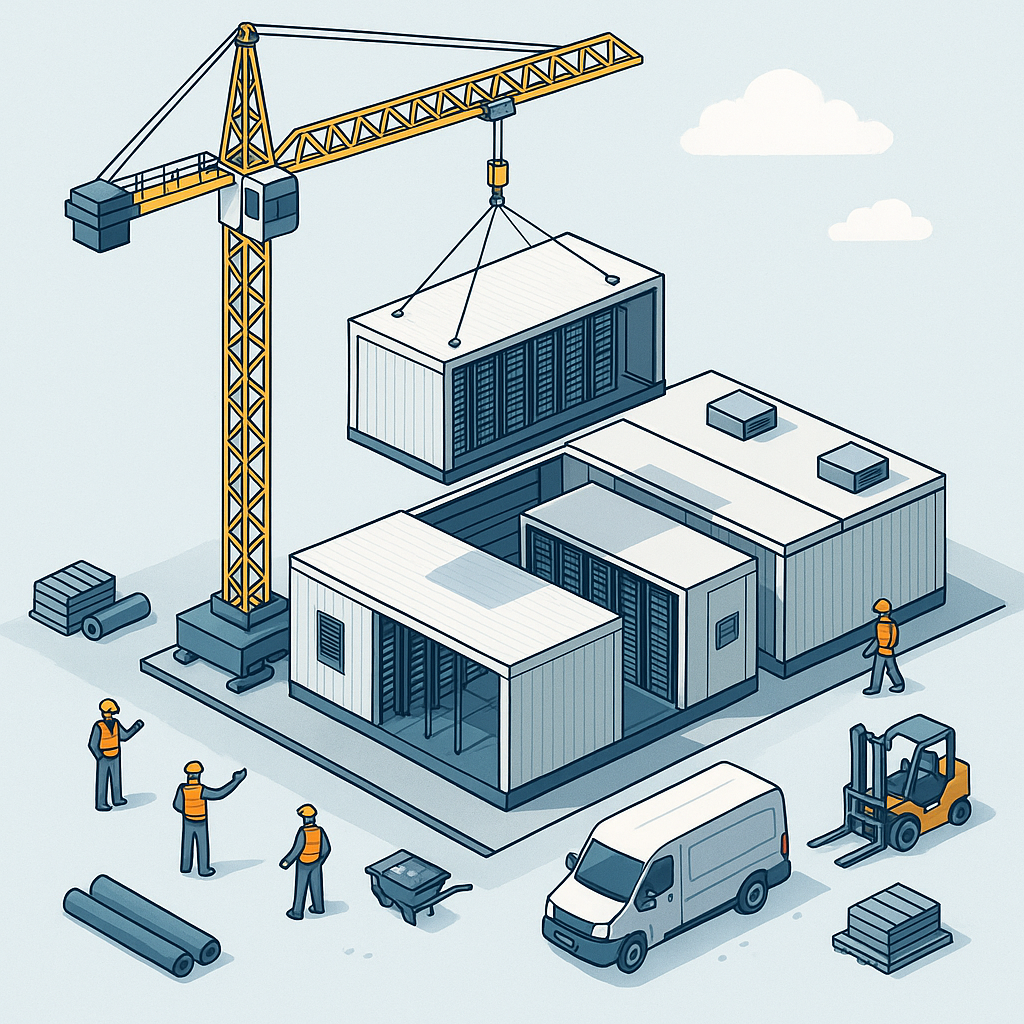
The industry has started to adapt, fast. Modular construction—where whole sections of a building are prefabricated offsite—is becoming the go-to strategy for faster, more predictable builds. According to a 2022 Dodge Data & Analytics report, modular adoption in data centers grew by 34% last year alone. But prefab isn’t a magic wand. It makes cost tracking even more critical.
Here’s the reality: If your procurement and project tracking aren’t airtight, modular construction can actually tank your margins. Why? Because mistakes happen earlier (and at scale). If you over-order materials or miss a supplier deadline, it’s not just one job site that’s affected. It’s your entire supply chain.
Why Modular Changes the Game for Contractors
Traditional construction is iterative. You adjust as you go—labor, materials, equipment, even design. But modular? It’s all about precision. You’re locking in costs and schedules months before anything arrives onsite. That’s great for predictability but brutal if you miss something.
Actionable Steps for Modular Success
-
Standardize Your Procurement Workflow In modular data center projects, materials are often ordered in bulk for multiple modules at once. If you don’t have a structured Material Request (MR) → RFQ → Vendor Offer → PO workflow in place, you’re setting yourself up for chaos. One missed vendor deadline can delay an entire prefabrication cycle. Use procurement software that centralizes communication, tracks deadlines, and automates approval workflows.
-
Invest in Detailed Project Planning Modular construction thrives on upfront planning. Create detailed schedules, lock in supplier agreements early, and ensure you have contingency plans for every critical path activity. For example, a contractor working on a modular data center in Texas reduced delays by adding buffer time to key supplier lead times, ensuring modules arrived on schedule.
-
Use Specialized ERP Tools In my view, too many contractors rely on spreadsheets or disconnected tools. It’s a ticking time bomb. You need an ERP that can centralize procurement, link it to project budgets, and enforce approval workflows. JobNext, for example, lets you track every material purchase against the approved budget. It also flags overspending instantly. That kind of visibility is non-negotiable in modular builds.
Case Study: Avoiding Revenue Leakage in Modular Billing
Billing is another area where modular throws contractors off. Most data center clients demand milestone-based billing. You’re getting paid for specific deliverables—like a fully assembled module—rather than ongoing progress. Miss a milestone, and you’re not getting paid. Worse, if your billing system doesn’t support multiple methods, you risk leaving money on the table.
Real-World Example
Consider a contractor in the GCC region handling a $12 million modular data center project. They were using a basic invoicing tool that couldn’t handle stage-wise billing. When a client disputed a milestone payment, they had no way to back it up with measurements or progress reports. It cost them $500,000 in delayed revenue.
JobNext solves this by supporting six billing methods, including stage-wise and RA (Running Account) bills. For modular projects, you can link billing directly to BOQ items and progress measurements. That means no more disputes over what’s billable. You’ve got the data to prove it.
Actionable Steps for Billing Success
-
Align Billing Methods with Client Expectations Ensure your ERP supports milestone-based billing and can integrate with project tracking tools. This way, you can provide real-time evidence for deliverables.
-
Use BOQ-Based Billing Tie your invoices directly to Bill of Quantities (BOQ) items. This creates a transparent audit trail and reduces disputes.
-
Automate Progress Tracking Tools like JobNext can link billing milestones with measurement reports, ensuring your documentation is always client-ready.
The Bigger Picture: Real-Time Cost Tracking
Let’s talk about margins. Data center clients are notoriously demanding. They want faster timelines, lower costs, and zero surprises. If you can’t deliver, they’ll find someone who can. This puts enormous pressure on contractors to monitor costs in real time.
Concrete Example
A contractor working on a hyperscale data center in Virginia saved over $1 million by implementing real-time cost tracking. Their ERP flagged labor overruns early, allowing them to reallocate resources before hitting budget limits.
Decision Framework: ERP Selection for Modular Construction
| Feature | Basic ERP | Modular-Specific ERP (e.g., JobNext) |
|---|---|---|
| Procurement Tracking | Limited functionality | Bulk material tracking and approvals |
| Billing Methods | Standard invoices | Milestone-based and BOQ-linked |
| Real-Time Cost Tracking | Manual updates | Automated alerts and dashboards |
| Modular Integration | Not optimized | Built-in support for prefab workflows |
Actionable Steps for Cost Control
-
Use Real-Time Dashboards Your ERP should offer a dashboard that tracks profitability by module, BOQ item, and scope. This ensures you can flag issues before they spiral out of control.
-
Enforce Budget Discipline Ensure every expense is validated against approved limits. Automate this process to reduce manual errors.
-
Track Labor Productivity Labor costs are a major contributor to budget overruns. Use tools that measure productivity in real time to ensure efficiency.
FAQs
Q: Isn’t modular construction more expensive upfront?
A: Yes, but it’s cheaper in the long run. Prefab reduces waste, speeds up timelines, and minimizes onsite labor costs. The key is getting your cost tracking right upfront.
Q: What’s the biggest risk in modular data center projects?
A: Procurement and billing. If your materials don’t arrive on time or your billing process is disorganized, you’re in trouble. Both are preventable with the right tools.
Q: How does JobNext compare to other ERP systems for modular construction?
A: Unlike generic ERPs, JobNext is built for contractors. It handles modular-specific needs like stage-wise billing, BOQ management, and multi-level approvals. Plus, it’s cloud-based, so your team can access it from anywhere.
Q: Can modular methods scale for smaller data centers?
A: Absolutely. Modular construction works for both hyperscale and smaller colocation facilities. It’s especially effective in projects with repeatable designs and tight deadlines.
Q: How do I handle supplier delays in modular projects?
A: Build contingency time into your schedules and diversify your supplier base. Use an ERP to monitor lead times and flag delays early.
Ready to Protect Your Margins?
If modular data center projects are pushing your margins to the brink, JobNext can help. From procurement workflows to real-time cost tracking, it’s built to handle the complexity of modern construction. Get started free →