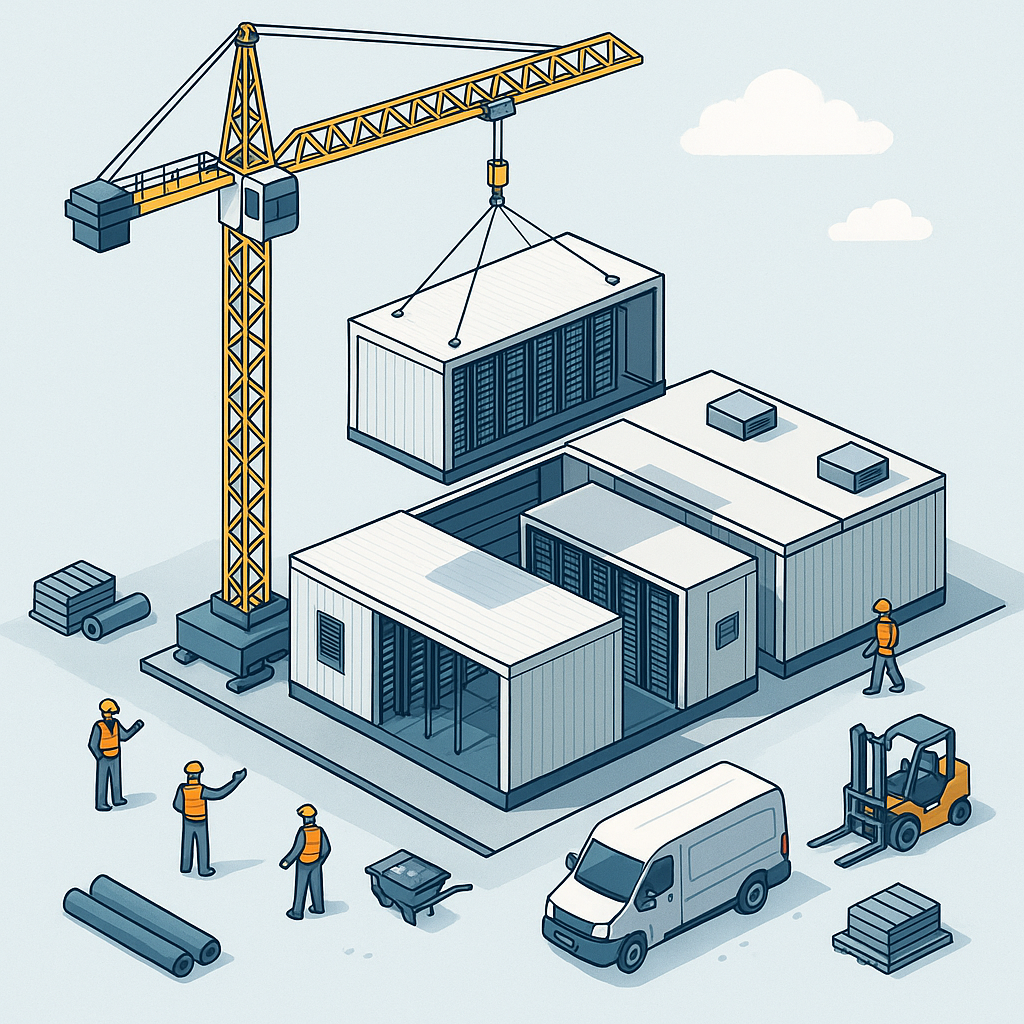
The $10B NYC Bus Terminal: A Mega-Project in the Spotlight
The Port Authority's $10 billion rebuild of the New York City Bus Terminal is one of the largest infrastructure projects in the U.S. right now. Managed by the STV-Turner joint venture, this project is a textbook example of the challenges contractors face on mega-projects: spiraling costs, subcontractor coordination nightmares, and the constant risk of delays.
But here’s the thing: these aren't just “mega-project” problems. They’re problems every contractor faces, whether you’re building a bus terminal in Manhattan or a mid-size residential tower in Mumbai. The scale changes, but the headaches are the same. In fact, smaller contractors often face more difficulty because they lack the resources and technological tools that larger projects tend to have.
One area where mega-projects like this really shine a light is subcontractor management. Why? Because one bad subcontractor can derail your entire project, no matter the size.
Why Subcontractor Management Is a Bigger Problem Than You Think
On a project as massive as the NYC Bus Terminal, subcontractors aren’t just vendors—they’re mission-critical partners. From electrical work to HVAC installations, there’s no way a general contractor (GC) can self-perform everything. But that reliance comes with risks:
- Cost overruns: Subcontractors often underbid to win contracts, only to hit you with change orders later. Without tight controls, you’re bleeding money before you even realize it. According to McKinsey, large construction projects typically run 80% over budget and take 20% longer than expected—cost overruns are a leading cause.
- Missed deadlines: If one trade falls behind, the domino effect can throw off your entire schedule. For instance, if your concrete subcontractor delays pouring, your framing contractor can’t get started, and so on.
- Disputes over progress payments: Without clear, measurement-based tracking, subcontractors might claim more progress than they’ve actually made. This leads to disputes, delayed payments, and strained relationships.
- Compliance gaps: From insurance certificates to bank guarantees, missing documentation puts your project at legal and financial risk. For example, in 2022, a $200 million project in Chicago faced a six-month delay due to untracked subcontractor compliance issues.
Sound familiar? Even if you’re running five smaller projects instead of one mega-project, you’ve probably dealt with all of these.
The NYC Bus Terminal’s Lesson: Measurement-Based Progress Tracking
One of the most effective ways to manage subcontractors—especially on large, complex projects—is measurement-based progress tracking. This approach ensures that you’re paying for real, verifiable work completed, rather than guesstimates or inflated claims.
Here’s how it works:
- Define clear work scopes: Break down every subcontractor’s responsibilities into measurable units—whether it’s square footage painted, ducts installed, or concrete poured. For example, instead of a vague deliverable like “Install HVAC system,” specify measurable tasks like “Install 500 linear feet of ductwork.”
- Track progress on-site: Use site engineers or digital tools to record daily progress against those units. For instance, your HVAC subcontractor can’t bill for 100% of duct installation if only 70% is complete.
- Tie payments to progress: Subcontractor bills should only be approved based on verified progress measurements. No more “he said, she said” disputes over how much work is complete.
This isn’t just theory. Tools like JobNext’s subcontractor management module make this workflow entirely digital. From creating work requisitions to recording progress measurements and processing payments, you get a single, structured system that removes manual errors and guesswork.
Why Manual Tracking Doesn’t Cut It Anymore
Let’s be real: many contractors still rely on spreadsheets, emails, and even WhatsApp to manage subcontractors. It’s messy, error-prone, and impossible to scale.
Case Study: The NYC Bus Terminal Project
Imagine trying to coordinate hundreds of subcontractors across multiple trades using manual methods. You’d be buried in spreadsheets, chasing down site updates, and arguing over incomplete progress reports. It’s a disaster waiting to happen. Even smaller contractors running 15-20 jobs at a time struggle to keep up when every site uses a different system for tracking.
The Cost of Inefficiency
According to the Construction Industry Institute, poor productivity and project mismanagement cost the global construction sector $1.6 trillion annually. Manual tracking compounds this issue by introducing delays, errors, and miscommunication at every stage of the project.
Technology isn’t just a “nice-to-have” anymore—it’s table stakes. Without it, you’re losing time, money, and credibility.
How JobNext Simplifies Subcontractor Management
At JobNext, we’ve seen firsthand how structured workflows can transform subcontractor management. Here’s what that looks like:
- Work requisitions: Raise clear, detailed work requisitions for every subcontractor. For example, specify the exact scope of work, materials required, and deadlines upfront.
- RFQs and work orders: Compare bids, issue work orders, and ensure everyone is on the same page from Day 1. This eliminates misunderstandings that could derail the project later.
- Measurement-based billing: Subcontractors can only bill you for work that’s been verified on-site. No more disputes over inflated claims.
- Compliance tracking: From GST compliance to bank guarantee expiries, JobNext ensures you never miss a critical document again. For example, you’ll get automated alerts for expiring insurance certificates.
Real-World Results
A mid-sized contractor in Bangalore recently adopted JobNext to manage 20 ongoing projects. Within six months, they reduced disputes with subcontractors by 40%, improved payment timelines by 30%, and saved 15 hours a week on administrative tasks.
The Bigger Picture: Why This Matters for Every Contractor
You might be thinking, “I’m not managing a $10B project. Why should I care?” But here’s the thing: the principles are the same whether you’re managing 10 subcontractors or 100. The only difference is scale.
If you can get subcontractor management right—using structured workflows and real-time tracking—you’ll not only avoid cost overruns and delays but also improve your margins. And in a business where margins are razor-thin, that’s a game-changer.
FAQ: Subcontractor Management Questions Contractors Actually Ask
Q1: What if my subcontractors resist measurement-based billing? A: Some will, at first. But once they see faster payment cycles and fewer disputes, they’ll get on board. Clarity benefits everyone—GCs and subcontractors alike.
Q2: How does this work for small contractors? A: The same principles apply. Even if you’re managing smaller jobs, structured workflows save time and reduce errors. Think of it as setting the foundation for scaling up in the future.
Q3: What about compliance? A: Tools like JobNext include compliance tracking. From GST to bank guarantees, you’ll always know where you stand. No more chasing after paperwork.
Q4: Can I integrate this with my accounting software? A: Yes, JobNext integrates with popular accounting systems like Tally for Indian statutory reporting and other global platforms.
Q5: How do I get started? A: You can start with a free trial of JobNext here. Dedicated onboarding support ensures you’re up and running quickly.
Comparison Table: Manual vs. Technology-Driven Subcontractor Management
| Aspect | Manual Tracking | Technology-Driven (e.g., JobNext) |
|---|---|---|
| Work Requisitions | Vague, prone to miscommunication | Clear, detailed, standardized |
| Progress Tracking | Subjective, error-prone | Objective, measurement-based |
| Payment Processing | Delayed due to disputes | Faster, tied to verified progress |
| Compliance Management | Manual, high risk of lapses | Automated alerts and tracking |
| Scalability | Not scalable for large projects | Easily scales across projects |
Final Thoughts
If the $10B NYC Bus Terminal project teaches us anything, it’s that subcontractor management is critical—no matter the size of your business. And the best way to manage it? Structured workflows, real-time tracking, and the right tech.