Contractors Don’t Just Build Projects — They Build Risks
Margins in construction are razor-thin. According to Deloitte, industry profit margins hover between 2-5% on average. That’s peanuts. And the biggest culprit? Poor cost tracking. It’s not uncommon for contractors to realize they’ve overspent only after the project’s done. Too late.
Why Real-Time Cost Tracking Matters
Imagine you’re mid-project. A client requests a change—say, upgrading materials in the flooring. You agree, thinking it’s a small cost increase. But without real-time tracking, you don’t immediately see how this impacts your overall budget. Weeks later, you discover your profit margin just shrank from 10% to 3%. Brutal.
This happens because most contractors rely on disconnected systems. BOQs (Bills of Quantities) are managed in one tool, purchase orders in another, site expenses tracked manually, and payroll in Excel. By the time you piece everything together, it’s too late to course-correct. Sound familiar?
The Fix: A Cloud ERP Built for Contractors
This is where cloud ERP software like JobNext comes in. With JobNext, you can track project profitability in real-time across BOQs, scopes, and estimates. Here’s how it works:
- BOQ Integration: Every line item in your BOQ is linked to actual costs. As you procure materials, pay subcontractors, or incur site expenses, the ERP updates your financials automatically.
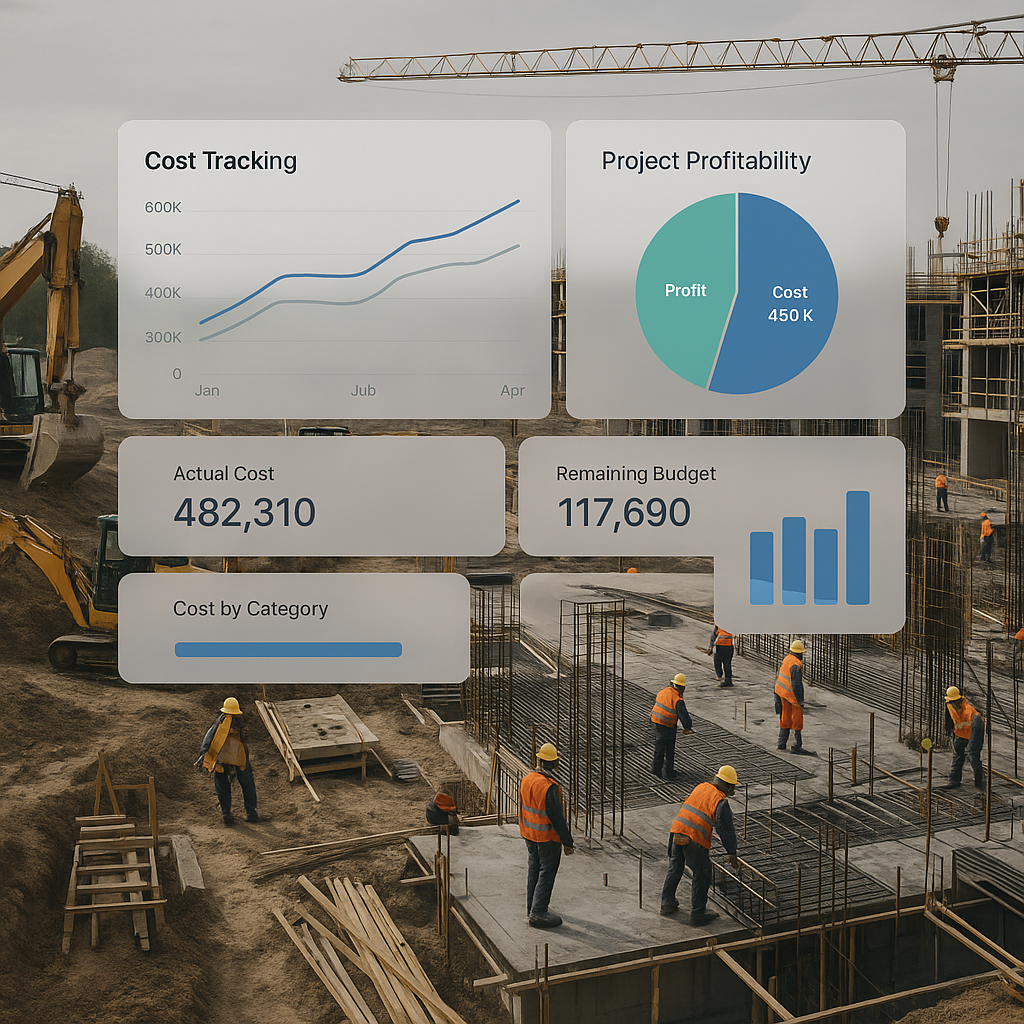
- Dashboards That Matter: Real-time dashboards show you project health at a glance—budget vs. actuals, cost overruns, and forecasted margins. No more Excel fire drills.
- Approval Workflows: Need to approve a high-value purchase order? JobNext lets you set approval chains to control spending before it spirals.
Let’s take an example. One of our clients, an MEP contractor in Dubai, ran into constant budget overruns on materials. They switched to JobNext’s cloud ERP and started tracking their BOQ vs. procurement costs daily instead of monthly. Result? They cut material wastage by 15% and increased project margins by 8%. That’s real money.
But What About Smaller Contractors?
You might be thinking, "We’re a 50-employee company. Do we really need ERP software? Isn’t it overkill?" Fair question. But consider this: even small contractors juggle multiple projects, vendors, subcontractors, and compliance requirements. Managing all this on spreadsheets isn’t just inefficient—it’s risky. A missed GST filing or underreported TDS can invite penalties.
Cloud ERPs aren’t just for the big players anymore. Tools like JobNext are designed for small to mid-sized contractors. You don’t need a dedicated IT team to set it up, and it scales as you grow. Plus, there’s no upfront hardware cost—it’s all SaaS.
The Bottom Line
If you’re serious about growing your contracting business, you need real-time visibility into your finances. Without it, you’re flying blind. A cloud ERP like JobNext doesn’t just save time; it saves margins. And in this industry, margins are everything.
Want to see how JobNext can work for you? Try their free 14-day trial. No credit card required. You might just stop the bleeding.