Why Contractors Are Losing Margins
Margins in construction are razor-thin. You bid aggressively to win projects, but poor cost tracking eats into your profits. Small leaks add up — missed billing items, subcontractor overruns, equipment underutilization. It's frustrating because you know where you're bleeding, but manual systems don't give you real-time visibility.
A study by McKinsey found that large construction projects typically run 80% over budget and take 20% longer than planned. Small contractors aren't immune. When you're juggling multiple sites, disconnected tools only make things worse. What's the fix? A cloud ERP designed for contractors.
Real-Time Cost Tracking: The Game-Changer
Let’s talk about cost tracking. Most contractors rely on spreadsheets and standalone tools to monitor expenses. But here's the problem: these systems don't talk to each other. Your project manager tracks BOQ revisions in Excel, while your procurement team uses WhatsApp to send RFQs. The result? No one knows the actual cost until it's too late.
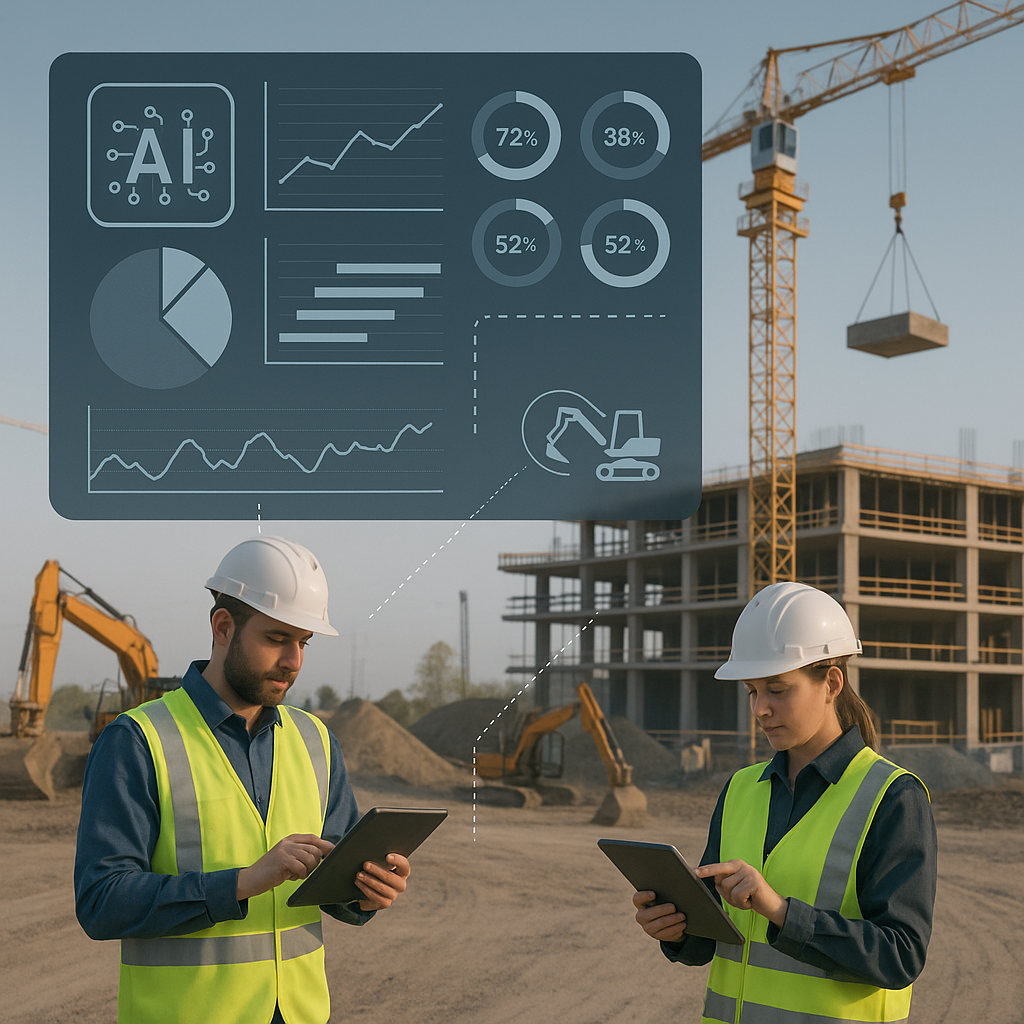
With a cloud ERP like JobNext, you get real-time project profitability monitoring. Every material request (MR), RFQ, and purchase order (PO) feeds into the system. You can track costs against BOQs, scopes, and estimates — live. If your subcontractor requests additional work outside the scope, you see the impact immediately. No surprises at month-end.
Example: A Mid-Sized MEP Contractor
Here’s a real scenario. A mid-sized MEP contractor in India was running 12 projects simultaneously. Their billing team often missed RA Bills for smaller progress milestones. That meant delayed cash flow and lost revenue. After switching to JobNext, they automated the billing process. The ERP supported six billing methods, including stage-wise and monthly billing. Nothing fell through anymore.
Result? They cut revenue leakage by 15% in the first quarter. That’s growth you can measure.
Why Cloud ERP Is Better Than Legacy Systems
You might be thinking, "We already have an ERP." But if you're using a legacy on-premise system, it’s probably holding you back. Here's why cloud ERP is better:
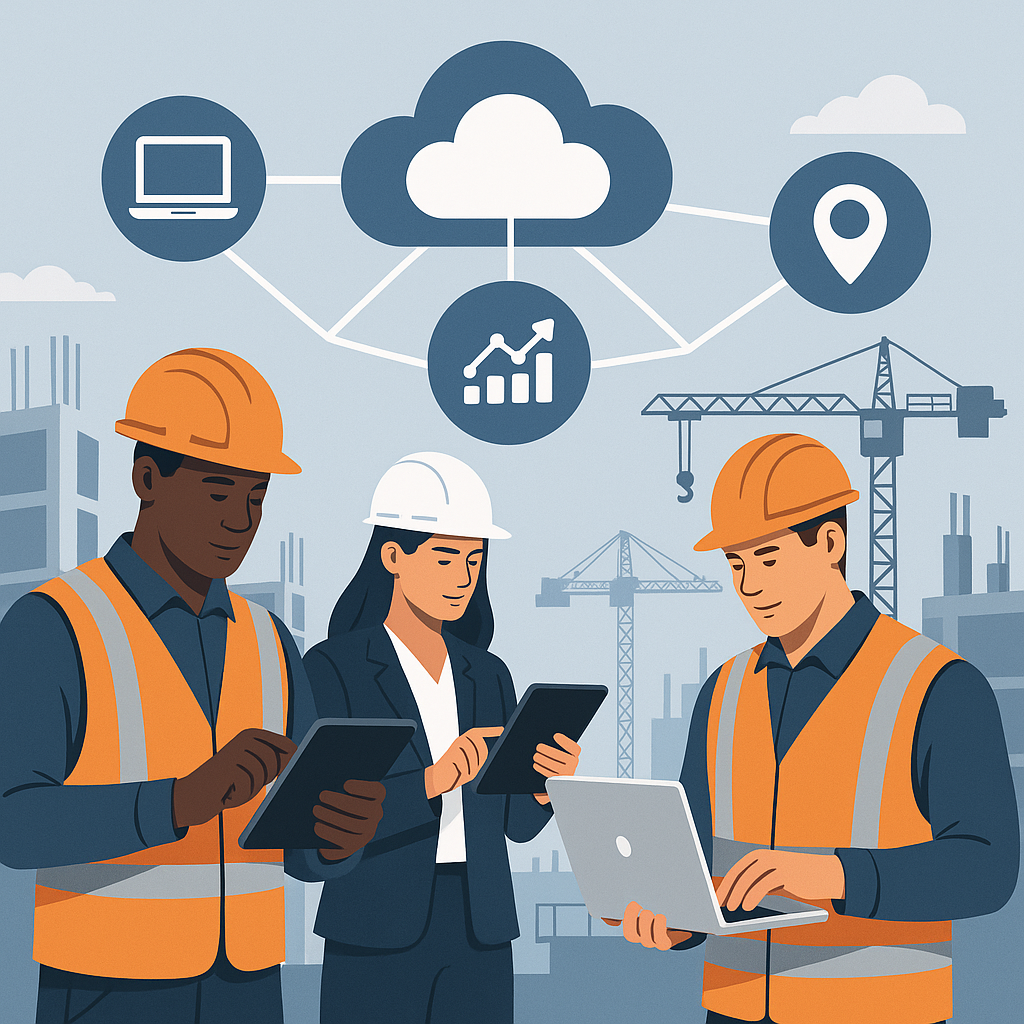
- Access Anywhere: Your team works across sites and offices. A cloud system lets them log in from anywhere — no VPNs or local installs.
- Automatic Updates: No downtime for software upgrades. Cloud ERPs roll out updates seamlessly.
- Lower Costs: No servers to maintain. You pay a subscription fee and scale as needed.
JobNext, for instance, is a multi-tenant SaaS platform. That means your team gets secure, role-based access without heavy IT infrastructure.
The Obvious Objection: “What About Customization?”
You might ask, "Can a cloud ERP handle my specific needs?" The answer depends on the system. JobNext supports industry-specific workflows like MR → RFQ → PO for procurement and WR → RFP → WO → Measurements for subcontractors. It’s built for contractors, not generic businesses.
Still worried? JobNext integrates with Tally for statutory compliance in India. That means you don’t lose your GST/TDS workflows while upgrading.
Ready to Fix Your Margins?
If margin erosion and disconnected systems are holding you back, it’s time to rethink your operations. Cloud ERPs like JobNext aren’t just software — they’re tools for growth. Start with the free 14-day trial. See the difference for yourself.
Ready to see JobNext in action?
Multi-tenant SaaS ERP for construction, facilities management, and contracting — covering preconstruction, project execution, procurement, HR & payroll, equipment, finance, and 150+ analytics reports.
Get Started Free →