Hard FM: The Backbone of the Built Environment
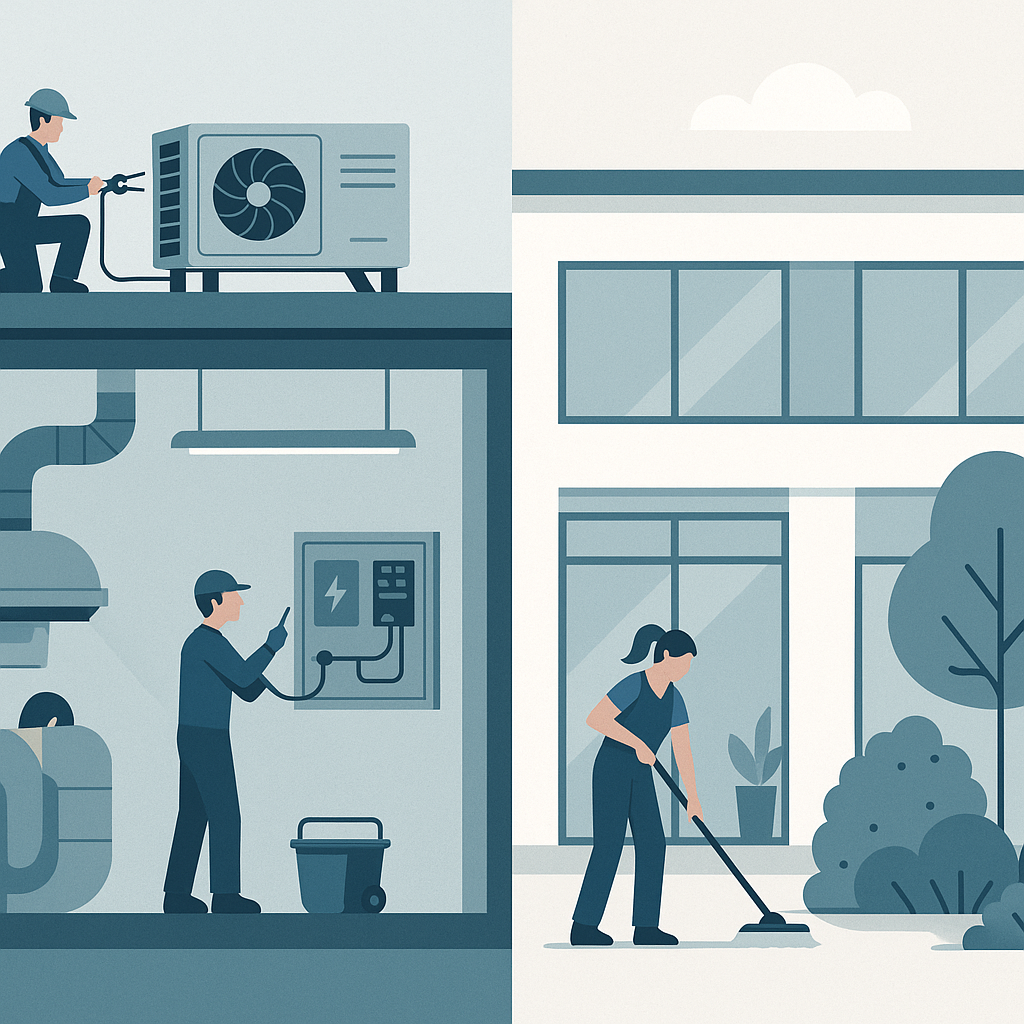
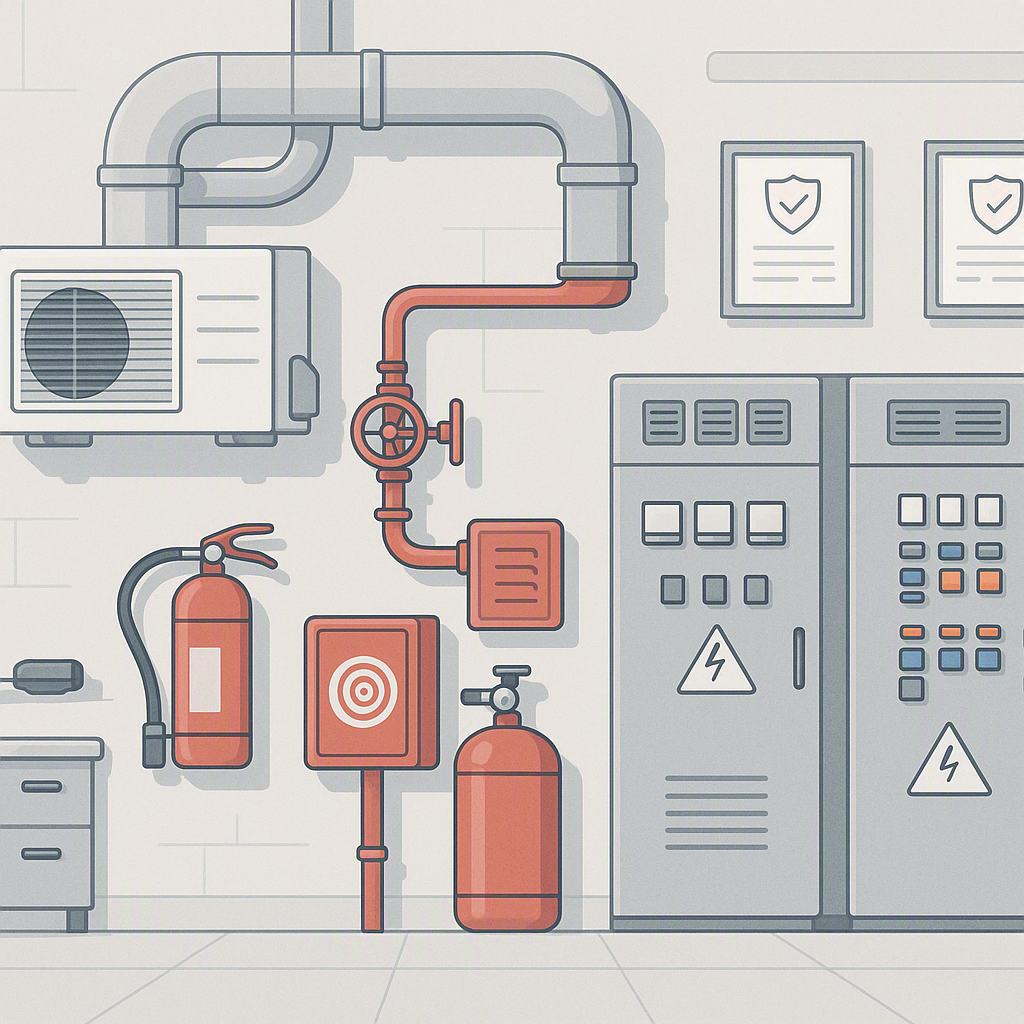
Facilities management (FM). You’ve heard the term tossed around, but what does it mean in practical terms, especially for contractors? FM is split into two categories: Hard FM and Soft FM. In simple terms, Hard FM is about maintaining the physical infrastructure of a building — the nuts and bolts of the workplace. Think HVAC systems, plumbing, electrical systems, and even fire safety equipment. On the other hand, Soft FM deals with services like cleaning, landscaping, and security.
Here’s the kicker: Hard FM is non-negotiable. If the air conditioning shuts down in a high-rise office during summer, you’ll hear about it. If fire safety systems fail, you’re looking at regulatory fines or worse — a catastrophe.
And here’s the problem: managing Hard FM is a logistical nightmare for contractors, especially those juggling multiple projects and sites. So, how do you ensure your Hard FM operations run like a well-oiled machine? Let’s dig in.
The Problem: Why Hard FM Can Feel Like Herding Cats
You might think Hard FM is just about having a maintenance team on standby. It’s not. Managing Hard FM involves:
- Ensuring preventive maintenance schedules are followed.
- Keeping an eye on asset lifecycles to avoid breakdowns.
- Tracking compliance deadlines — fire safety certifications, electrical inspections, and more.
- Managing emergency repairs without blowing your budget.
Sounds straightforward? It’s not. Most contractors struggle with three big challenges:
1. Disorganized Workflows
Maintenance requests, approvals, and updates often happen via email, WhatsApp, or even verbal communication. Ever tried to track a repair job through a random WhatsApp group chat? Exactly. Without a centralized system, teams often lose track of what’s been completed, what’s pending, and what’s urgent.
2. Missed Maintenance
When you’re running many sites, it’s easy for a water pump inspection or a DG (diesel generator) set service to slip through the cracks. The result? Unexpected breakdowns, downtime, and angry clients. Missed maintenance can also lead to catastrophic failures that affect safety and compliance.
3. Compliance Chaos
Miss a deadline for your fire safety audit or an electrical inspection, and you’re looking at hefty fines. Keeping track of all these obligations manually is a recipe for disaster, especially when regulatory standards vary by region and industry.
The Shift: Centralizing Hard FM Management
The right tools make a difference. A good team of technicians and a detailed spreadsheet only go so far once there are many assets and many sites. Centralizing everything into one system removes much of the guesswork.
For example, JobNext has a Hard FM module built around an asset register. Each asset carries its make, model, serial number, location, criticality and warranty. Need to know when a generator was last serviced? It's in the register, with its planned maintenance schedule beside it.
But it’s not just about convenience. Centralizing Hard FM management also saves money. Having all your data in one place makes it easier to spot inefficiencies — like assets that are underutilized or maintenance schedules that are costing more than they should.
Practical Steps to Master Hard FM
Here is how to approach Hard FM management. These steps apply whether you’re managing a single site or many properties.
1. Map Your Assets
You can’t manage what you don’t measure. Start by creating a detailed asset register. This is the foundation of efficient Hard FM management. List everything, including:
- HVAC systems
- Elevators
- Plumbing lines
- Generators
- Fire safety equipment
For each asset, record:
- Purchase date: This helps calculate depreciation and plan replacements.
- Warranty details: Knowing what’s covered saves costs.
- Maintenance schedule: Establish specific intervals for preventive maintenance.
- Expected lifespan: Helps you anticipate replacement costs.
- Cost of replacement: Key for budgeting.
This step sounds tedious, but it’s non-negotiable. Many teams skip it, thinking they’ll remember the details. In practice, details get forgotten.
2. Automate Preventive Maintenance
Reactive maintenance is a budget killer. Waiting until something breaks means larger repairs, downtime, and unhappy clients. Instead, set up preventive maintenance schedules. Use technology to:
- Automate reminders for inspections and servicing.
- Track completion status with visual dashboards.
- Link maintenance schedules to asset lifecycles for seamless planning.
3. Monitor Real-Time Performance
Real-time tracking turns guesswork into actionable insights. Dashboards can:
- Show which assets are performing well.
- Highlight underutilized generators, HVAC systems, or plumbing.
- Flag equipment that’s costing more in repairs than it’s worth.
For example, a dashboard might show that one generator keeps needing repairs. That suggests replacing it may cost less than continuing to repair it.
4. Stay Ahead on Compliance
For contractors working in regions like India or the GCC, compliance isn’t just a box to tick — it’s a legal requirement. Statutory inspections and certifications have to be kept current. Use technology to:
- Track expiry dates for permits, certifications, and statutory filings.
- Automate reminders for renewals.
- Store compliance records in a centralized system for easy retrieval during audits.
5. Build Contingency Plans
Hard FM failures happen. The key is to minimize downtime. For critical systems like generators or HVAC, always have backup resources ready. This could mean renting temporary equipment or maintaining redundant systems.
Common Mistakes in Hard FM
Let’s be real: no one gets this right on the first try. Here are some common pitfalls:
-
Ignoring Small Assets: Everyone tracks big-ticket items like chillers and elevators. But smaller assets like water pumps or fire extinguishers are just as critical.
-
Relying on Spreadsheets: Spreadsheets work until they don’t. They’re prone to errors, hard to update, and impossible to scale for large operations.
-
Skipping Training: Your team can’t use fancy tools if they don’t know how. Invest in proper training and documentation.
-
No Contingency Planning: What happens if your main generator fails during peak hours? Always have a backup plan.
FAQ
1. What’s the difference between Hard FM and Soft FM?
Hard FM covers physical assets and infrastructure, like HVAC systems, generators, and plumbing. Soft FM involves services like cleaning, landscaping, and security. Think of Hard FM as the bones and Soft FM as the skin.
2. How can we ensure compliance in Hard FM?
Use a centralized system to track all compliance deadlines. Automate reminders for inspections, certifications, and renewals. In JobNext's Hard FM module, planned maintenance schedules show which services are overdue and which fall due this week, by site and by asset criticality.
3. What’s the cost of not managing Hard FM effectively?
It’s expensive. Breakdowns lead to downtime, which affects operations and client satisfaction. Missed compliance can result in fines. And over-maintenance eats into your margins.
4. How do we manage multiple sites efficiently?
Centralization is key. Use a software platform that lets you manage assets, schedules, and compliance across all your sites in one place.
5. What should we prioritize when starting Hard FM management?
Start by mapping your assets and automating preventive maintenance. These two steps create a solid foundation for effective Hard FM operations.
Comparison Table: Spreadsheets vs. FM Management Software
| Feature | Spreadsheets | FM Management Software |
|---|---|---|
| Asset Tracking | Manual updates, prone to errors | Automated, centralized tracking |
| Preventive Maintenance | Requires manual scheduling | Automated reminders |
| Compliance Tracking | Difficult to track deadlines | Built-in alert systems |
| Scalability | Limited for large operations | Easily scales across sites |
| Real-Time Insights | Not available | Live dashboards |
| Collaboration | Disorganized (email/WhatsApp) | Centralized workflows |
Final Thoughts
Hard FM is a critical part of workplace operations, especially for contractors. It’s not glamorous, but it’s essential. Get it wrong, and you’re looking at skyrocketing costs and unhappy clients. Get it right, and you’ll save money, reduce downtime, and build trust.
If you're struggling with Hard FM logistics, JobNext can help. It is the workforce, payroll and operations platform for FM and contract-services companies. JobNext runs Oman's two largest facility-management contractors, about 22,000 staff between them. At Al Nab'a (ANS), it processed payroll for 5,000 employees in 7 days instead of 21, with zero errors. Book a demo →