Hard FM: The Unseen Struggle
Hard FM (Facilities Management) isn’t glamorous, but it’s critical. Contractors managing HVAC systems, electrical grids, or fire safety installations know the grind — every asset needs to be tracked, maintained, and eventually replaced. Miss a maintenance cycle or lose visibility into equipment usage, and costs spiral. Worse, margins disappear into thin air.
Here’s the kicker: most Hard FM teams operate with disconnected tools. One software for asset inventory, another for procurement, and yet another for maintenance schedules. The result? Data doesn’t flow. Errors creep in. And when the CFO asks for a lifecycle expense breakdown, you scramble.
But there’s a way to turn this chaos into clarity.
Why Integrated Facilities Management Software Matters
An integrated platform changes the game. Instead of juggling five tools, you get one system covering procurement, depreciation, maintenance, and disposal. The benefits aren’t just about convenience — they’re financial, operational, and strategic.
Key Benefits of an Integrated System
-
Centralized Data Management: With an integrated solution, all data resides in one place. Asset details, maintenance history, procurement costs, and disposal plans are linked together. This eliminates the need to manually transfer data between systems, reducing errors and saving time.
-
Improved Financial Oversight: Integrated software ensures that every expense — from purchase to disposal — is tracked and tied to budgets. This not only helps enforce financial discipline but also provides decision-makers with accurate cost insights.
-
Streamlined Workflows: Teams no longer have to switch between multiple platforms or spreadsheets. Maintenance schedules, procurement approvals, and depreciation calculations are all automated and seamlessly integrated into one workflow.
-
Scalability: Whether you’re managing a single site or hundreds, integrated systems scale with your operations. They offer a unified view of all assets across locations, allowing for better resource allocation and planning.
Asset Lifecycle Management: The Foundation of Hard FM
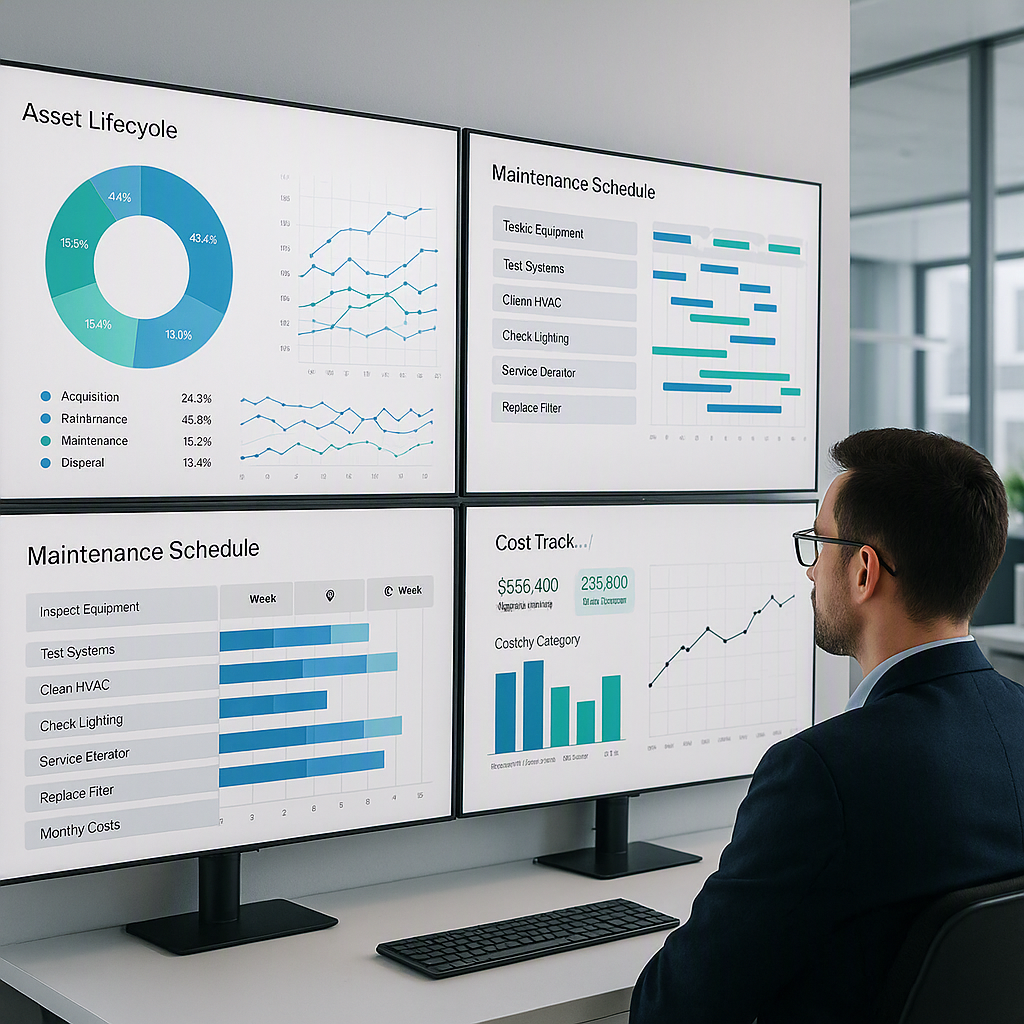
At the heart of effective Hard FM is asset lifecycle management. This involves tracking every stage of an asset’s life: procurement, usage, maintenance, depreciation, and disposal. Let’s break down each stage and see how integrated software, like JobNext, simplifies the process.
1. Procurement
- Challenge: Managing approvals, budgets, and vendor comparisons can become a logistical nightmare.
- Solution: An integrated system centralizes procurement workflows, from purchase requests to vendor selection and budget tracking. JobNext, for example, automatically assigns new assets to the correct cost centers upon purchase, ensuring seamless financial tracking from day one.
2. Maintenance Planning
- Challenge: Ad-hoc maintenance often leads to missed schedules, unexpected breakdowns, and costly repairs.
- Solution: Automated maintenance schedules ensure that no task is overlooked. JobNext allows you to set preventive maintenance cycles and assigns them to specific technicians, reducing downtime and extending asset life.
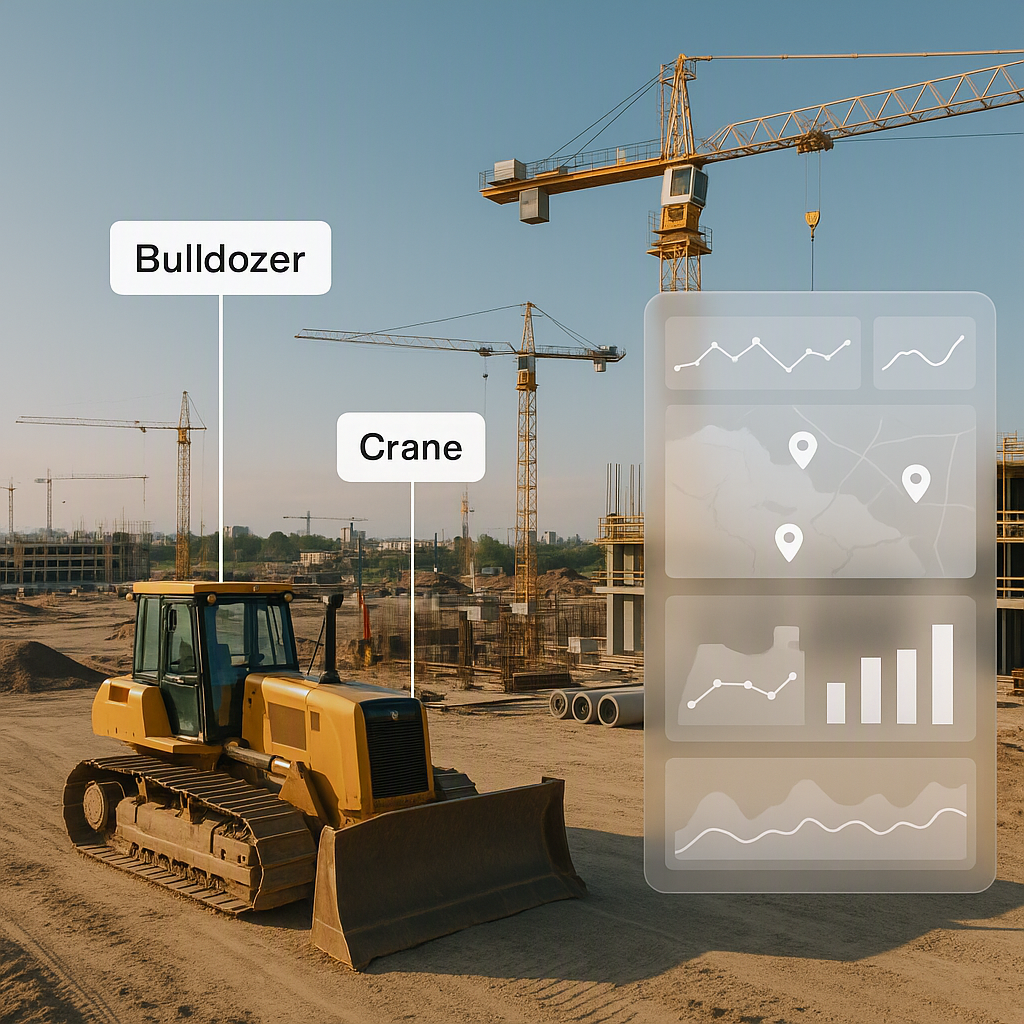
3. Utilization Tracking
- Challenge: Equipment that sits idle or is overused contributes to inefficiencies and unnecessary costs.
- Solution: Utilization tracking highlights how often each asset is used. For underutilized assets, you can optimize their use or consider disposal.
4. Depreciation Management
- Challenge: Mismanaging depreciation can lead to over- or underestimating asset value, skewing financial decisions.
- Solution: JobNext automates depreciation tracking. Every asset is assigned a depreciation method (straight-line or reducing balance) upon purchase, and the system calculates its net book value in real-time.
Here’s how depreciation data might look in practice:
| Machine | Cost | Depreciation Method | Annual Depreciation | Net Book Value |
|---|---|---|---|---|
| HVAC Unit A | ₹4,00,000 | Straight-Line | ₹40,000 | ₹3,60,000 |
| Fire Extinguisher B | ₹50,000 | Written Down Value | ₹10,000 | ₹40,000 |
This data feeds directly into your project costing, allowing you to allocate costs with precision.
5. Disposal Planning
- Challenge: Without a structured disposal process, teams often keep outdated equipment, leading to inefficiencies.
- Solution: Integrated software enforces a clear disposal policy. For example, JobNext ensures that when an asset reaches the end of its useful life, it generates disposal requests, calculates salvage value, and records journal entries for accounting.
Common Mistakes in Hard FM Operations (And How to Avoid Them)
1. Ignoring Utilization Rates
- The Problem: Equipment that is rarely used consumes valuable resources, from storage space to depreciation costs.
- Solution: Regularly review utilization data. Identify underperforming assets and reallocate or dispose of them. JobNext provides real-time tracking, so you’ll always know where your assets are and how often they’re used.
2. Skipping Preventive Maintenance
- The Problem: Waiting for equipment to break down before fixing it can lead to major disruptions and costly repairs.
- Solution: Use software to implement preventive maintenance schedules. JobNext sends automated reminders for upcoming maintenance tasks, reducing the risk of unplanned downtime.
3. Poor Documentation
- The Problem: Relying on paper trails or disjointed systems makes it easy to lose track of critical data, such as maintenance history or warranty details.
- Solution: Centralize all documentation in one place. An integrated system can store contracts, maintenance logs, and warranty information, ensuring easy access at all times.
4. Delayed Disposal Decisions
- The Problem: Holding onto aging assets that no longer provide value drains resources and increases maintenance costs.
- Solution: Regularly review asset lifecycle data to identify when equipment should be replaced. JobNext provides alerts when an asset is nearing the end of its lifecycle, ensuring proactive decision-making.
Comparison: Disconnected Tools vs. Integrated FM Software
| Feature | Disconnected Tools | Integrated FM Software |
|---|---|---|
| Data Management | Scattered across multiple systems | Centralized in one platform |
| Error Rate | High (manual data transfers) | Low (automated workflows) |
| Maintenance Scheduling | Manual, prone to missed schedules | Automated with reminders |
| Budget Tracking | Fragmented, hard to reconcile | Real-time, fully integrated |
| Asset Lifecycle Visibility | Limited, siloed | Comprehensive, end-to-end tracking |
| Scalability | Difficult to manage across multiple sites | Scales seamlessly with operations |
Actionable Steps to Improve Hard FM Operations
-
Assess Your Current Tools: Identify inefficiencies caused by disconnected systems. List out tasks that require manual data entry or double-checking.
-
Define Your Requirements: Before adopting an integrated FM platform, outline your needs. What features are non-negotiable? For example, do you need multi-site management or advanced reporting?
-
Evaluate Software Options: Compare platforms based on functionality, scalability, and ease of use. Look for demos and case studies to understand real-world applications.
-
Train Your Team: Ensure proper onboarding and training to maximize the software’s potential. Even the best tools are only as effective as the people using them.
-
Monitor and Optimize: Once the system is in place, regularly review KPIs like maintenance costs, asset utilization, and ROI. Use insights from the software to refine processes.
Call to Action
Hard FM operations don’t have to be a constant struggle. By adopting integrated facilities management software like JobNext, you can take control of your asset lifecycles, reduce costs, and improve operational efficiency. Don’t let outdated tools hold you back.