Why Hard Services Matter in Facilities Management
Let’s start with the basics. Hard services in facilities management (FM) are all about the physical and structural systems of a building. Think HVAC systems, electrical wiring, plumbing, elevators, and fire safety systems. These aren’t optional add-ons—they’re essential for keeping any facility operational, safe, and compliant.
But here’s the kicker: managing these systems is messy. Between compliance requirements, maintenance schedules, and cost tracking, most contractors find themselves juggling too many moving parts. And when something slips through the cracks—like a missed fire safety inspection—the consequences can be severe.
What Makes Hard FM So Challenging?
Three big pain points stand out:
1. Complex Compliance Requirements
Laws and regulations vary widely by region, making compliance a moving target. For example, in the GCC countries, facilities must comply with stringent fire safety codes and periodic equipment inspections. In the U.S., standards such as those set by OSHA (Occupational Safety and Health Administration) or NFPA (National Fire Protection Association) dictate how buildings should be maintained. Similar challenges exist worldwide, including EU regulations like EN standards for fire safety.
Falling out of compliance doesn’t just mean fines—it can lead to suspended operations or even legal liabilities. For contractors, staying on top of these regulations requires constant vigilance and a deep understanding of local requirements.
Actionable Tip: Create a compliance calendar that tracks deadlines for certifications, inspections, and audits. Use software solutions that integrate compliance tracking with maintenance schedules to avoid missing critical dates.
2. Reactive vs. Proactive Maintenance
Many contractors default to reactive maintenance: waiting for something to break before fixing it. While this approach may seem cost-effective in the short term, it often results in higher costs due to emergency repairs, equipment downtime, and inefficiencies. Proactive maintenance, on the other hand, helps identify issues before they escalate, extending the lifespan of assets and reducing operational disruptions.
Actionable Tip: Implement a preventive maintenance strategy that schedules regular inspections and minor repairs. Use digital tools to track progress, monitor performance, and predict future issues based on historical data.
3. Disconnected Systems
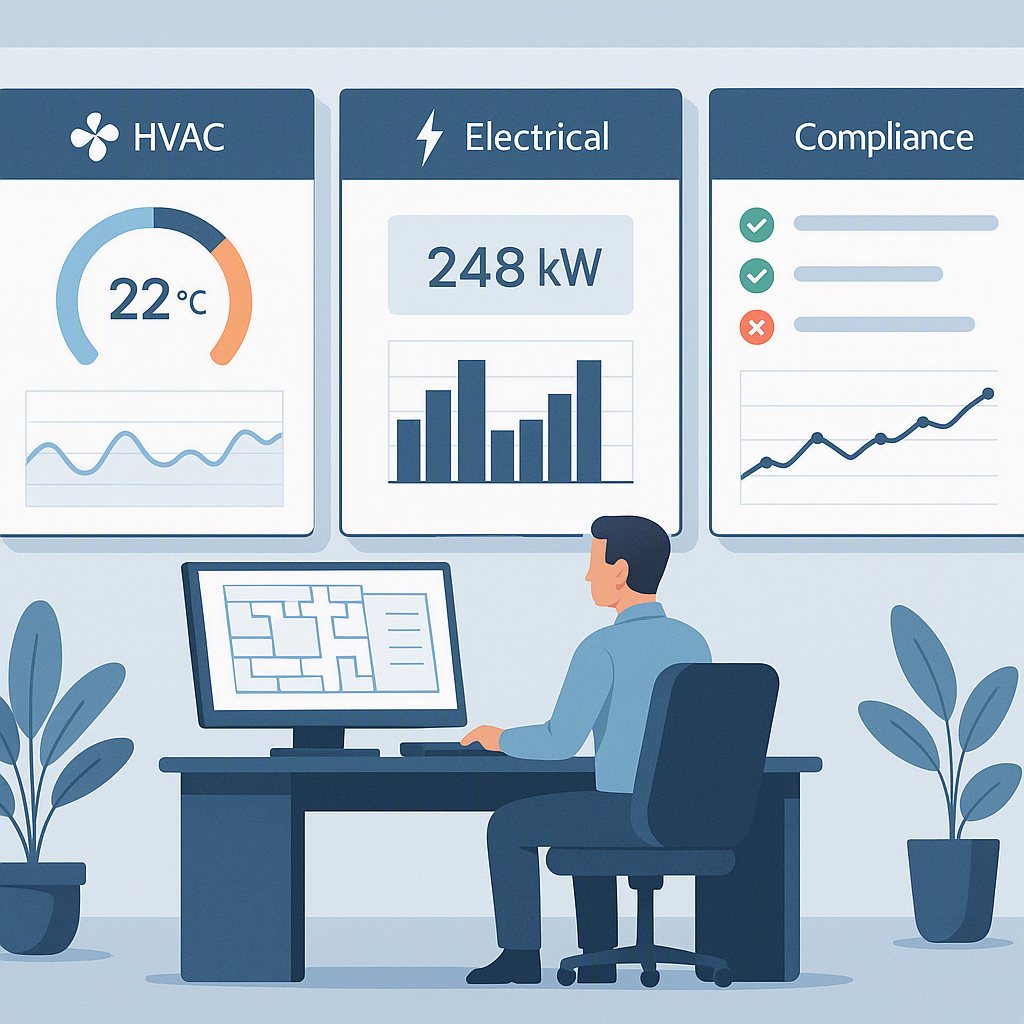
HVAC, electrical, plumbing, and fire safety systems often operate in silos. When these systems aren’t integrated, contractors struggle to manage maintenance tasks across multiple sites and teams. Tracking performance using spreadsheets or outdated software only compounds the problem, leading to missed tasks and disorganized records.
Actionable Tip: Invest in a centralized platform that consolidates data for all systems across sites. Look for tools with real-time reporting, asset tracking, and mobile access to ensure you can manage operations efficiently.
A Real-World Solution: Structured Preventive Maintenance with JobNext
One practical way to overcome hard FM challenges is by implementing a preventive maintenance strategy. Platforms like JobNext can help streamline operations for contractors managing multiple facilities.
How Preventive Maintenance Works
Here’s a step-by-step breakdown:
-
Define the Scope of Work (SoW) Start by listing every activity required for the job. For example, if you’re managing HVAC systems across 10 buildings, your scope of work might include tasks such as:
- Monthly filter replacements
- Quarterly duct cleaning
- Annual refrigerant checks
In JobNext, you can input these activities directly into the platform, specifying frequency, quantity, and any special requirements. This creates a clear, actionable plan for your team.
-
Track Assets and Maintenance Schedules Using JobNext’s asset management module, log every piece of equipment—HVAC units, electrical panels, plumbing fixtures—along with its location, service history, and upcoming maintenance tasks. Automated reminders ensure you don’t miss scheduled services.
-
Monitor Compliance in Real-Time Compliance isn’t just about ticking boxes—it’s about active monitoring. JobNext allows you to set alerts for critical compliance deadlines, like fire safety inspections or elevator certifications. The platform also integrates with region-specific standards, such as GCC fire codes or OSHA guidelines, reducing the risk of fines or shutdowns.
-
Centralize Data Across Sites If you’re managing multiple facilities, JobNext consolidates all your data—maintenance logs, compliance records, and cost reports—into a single dashboard. This eliminates the need to juggle spreadsheets or sift through emails.
Comparing Reactive vs. Proactive Maintenance
| Feature | Reactive Maintenance | Proactive Maintenance |
|---|---|---|
| Cost | Higher due to emergency repairs | Lower due to planned interventions |
| Downtime | Frequent and unpredictable | Reduced and predictable |
| Asset Lifespan | Shortened due to neglect | Extended with regular care |
| Compliance Risk | High due to missed inspections | Low with scheduled audits |
| Operational Efficiency | Low due to disorganized schedules | High with structured planning |
Common Mistakes in Hard FM Management
Even experienced contractors can stumble when managing hard services. Here are three pitfalls to avoid:
1. Ignoring Data Consolidation
Keeping maintenance records in separate systems or on paper often leads to errors and inefficiencies. Centralizing data through a digital platform ensures better organization and fewer mistakes.
2. Skipping Preventive Maintenance
While reactive maintenance might seem cheaper in the short term, the long-term costs—downtime, emergency repairs, and asset replacement—are far higher.
3. Underestimating Training Needs
Your team needs to understand the systems they’re maintaining. Regular training and access to modern tools are critical for efficient operations.