The Real Problem: You Can't Fix What You Can't See
Construction margins are brutal — often just 5-10%. A single mistake can wipe out profits on a project. Yet, too many contractors rely on outdated spreadsheets or disconnected systems to track costs. By the time you figure out you’re over budget, it’s too late.
We’ve seen it happen countless times. A contractor wins a tender, but inaccurate BOQs (Bill of Quantities) or missed cost estimates lead to margin erosion. Maybe procurement overshoots the budget. Or subcontractor payments spiral out of control. And the worst part? You don’t even realize it until the project is halfway done.
Why Real-Time Cost Tracking Matters
Would you drive a car without a dashboard? Of course not. You need to know how much fuel you have, how fast you’re going, and if anything’s wrong under the hood. Running a construction business without real-time cost tracking is just as reckless.
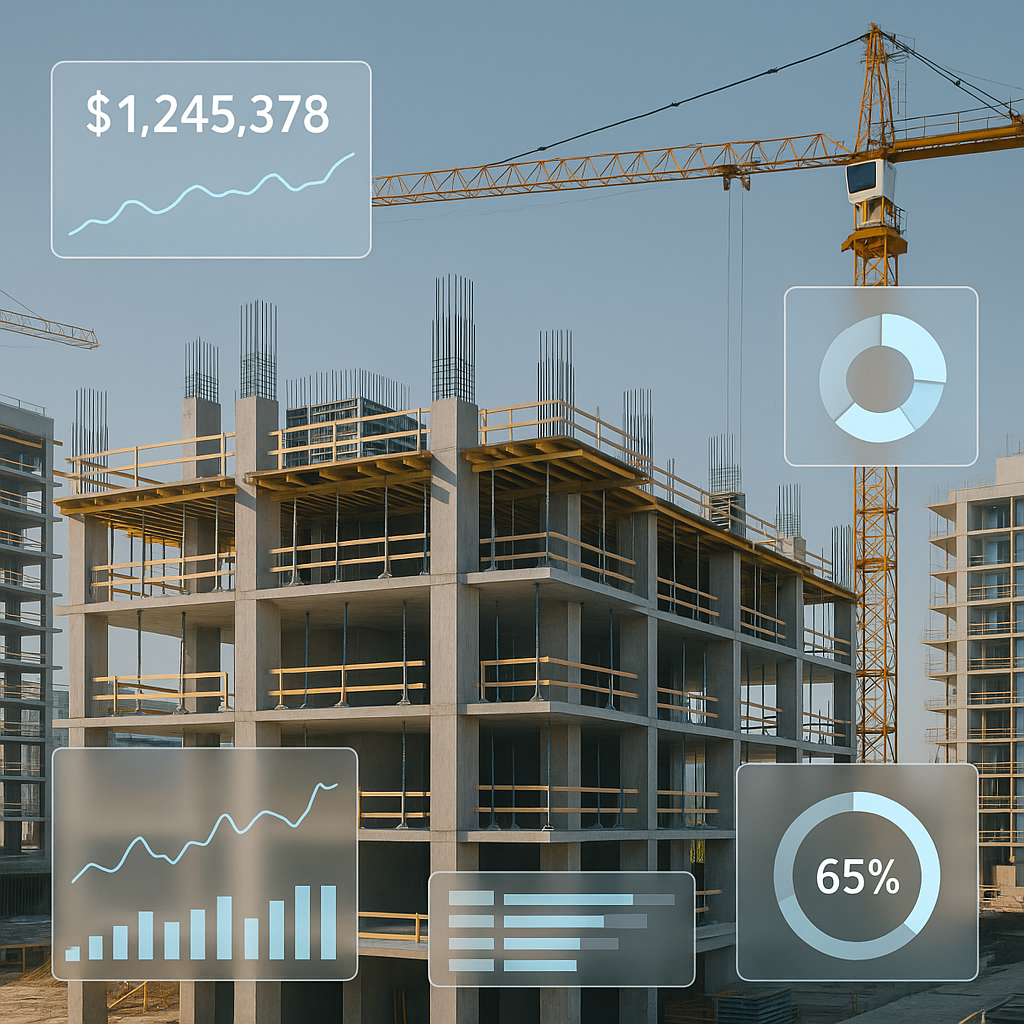
A cloud-based ERP like JobNext gives you that dashboard. For every project, it shows where you stand against your BOQ, scope, and original estimate. You can see:
- How much material has been used vs. procured.
- Subcontractor progress vs. payments made.
- Gross and net profit margins in real time.
This isn’t just about pretty graphs. It’s about making decisions fast. If one item is blowing your budget, you can adjust immediately — not six months later.
Example: Stopping Procurement Chaos
Let’s say you’re managing an HVAC installation for a commercial building. The BOQ says you need 500 meters of ducting. But your project engineer places an MR (Material Request) for 600 meters “just in case.” The extra 100 meters sit in your warehouse, unused, eating into your cash flow.
With JobNext’s structured MR → RFQ → PO workflow, this wouldn’t happen. Every MR ties back to the BOQ, and you can’t order more than what’s approved without a formal override. Plus, the system tracks vendor quotes, ensuring you always choose the most competitive option.
This kind of control isn’t just nice to have. It’s the difference between profit and loss.
The Skeptic’s Question: Is This Overkill for Small Contractors?
You might be thinking, “Do I really need all this? My business isn’t that big.” Fair question. But here’s the thing: even small contractors run multiple projects at once. Without a unified system, you’re juggling tenders, procurement, billing, and HR on separate spreadsheets. Mistakes and missed costs are almost guaranteed.
A cloud ERP scales with you. Start with the basics — real-time cost tracking and procurement workflows. As your business grows, you can add modules for finance, HR, and equipment management. You don’t need to bite off more than you can chew.
Growing Your Business Without Growing Your Problems
At the end of the day, contractors don’t fail because they can’t win projects. They fail because they can’t control costs and cash flow. A cloud ERP isn’t just a tool; it’s a safety net. It catches the errors and inefficiencies that drain your margins.
If you’re serious about growth, stop relying on guesswork. Invest in real-time visibility. Your bottom line will thank you.
Want to see how JobNext can help? Start your free trial today.