Think Your Projects Are Profitable? Think Again.
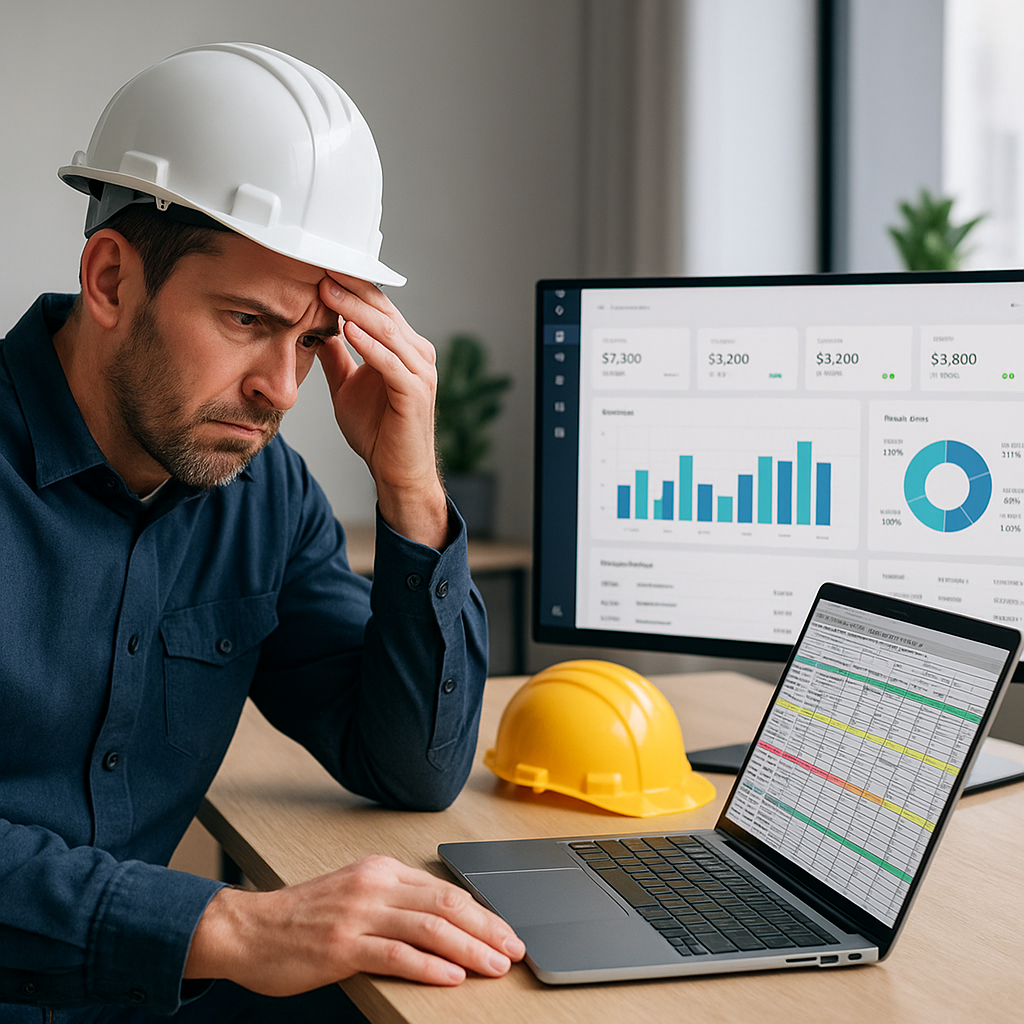
If you're a contractor, you've probably had this happen: You win the bid, execute the project, and send the final bill. Then someone on your team points out weeks later — "We lost money on that job." It's frustrating. Worse, it's avoidable.
In my 15+ years working with contractors, I've seen this problem over and over. The culprit? Revenue leakage. It's not always obvious, but it kills margins. Missed billable items, delayed invoices, underreported subcontractor costs — they all add up. Most contractors don't even realize how much they're leaving on the table.
Cloud ERP Prevents Revenue Leakage — Here's How
A good cloud ERP doesn't just help you track costs. It actively ensures you bill for everything you're owed. Let’s take the billing features in JobNext as an example. It supports six billing methods: RA bills, stage-wise, monthly, supply BOQ, combined, and one-time. Why does this matter? Because not every project uses the same billing structure.
For example, say you're an MEP contractor working on a large commercial project. You might have a stage-wise contract for the electrical work and a monthly billing agreement for HVAC maintenance. Tracking these separately in spreadsheets or disconnected systems is a nightmare. Mistakes happen. Payments slip through. With JobNext, you can manage both billing types in one place. No more manual reconciliation.
And it's not just about flexibility. The system ensures you're invoicing for all billable items. Forgot to include that material escalation clause in your RA bill? The ERP flags it before the invoice goes out. This kind of automation saves countless hours — and prevents costly oversights.
But What About Subcontractor Costs?
You might be thinking, "Okay, I get how billing works. But what about the other side — subcontractor costs?" That’s another huge source of revenue leakage. If you’re not closely tracking their progress and payments, you’re probably overpaying.
Here’s where measurement-based progress tracking comes in. With JobNext, you can tie subcontractor payments directly to actual progress on-site. No progress, no payment. It’s fair, transparent, and keeps budgets under control.
Why Cloud ERP Beats Spreadsheets (Every Time)
Some contractors still swear by spreadsheets. I get it — they’re familiar, and they feel "free." But here’s the reality: Spreadsheets don’t scale. They can’t handle multi-project data, approval workflows, or real-time reporting. And they won’t catch your mistakes.
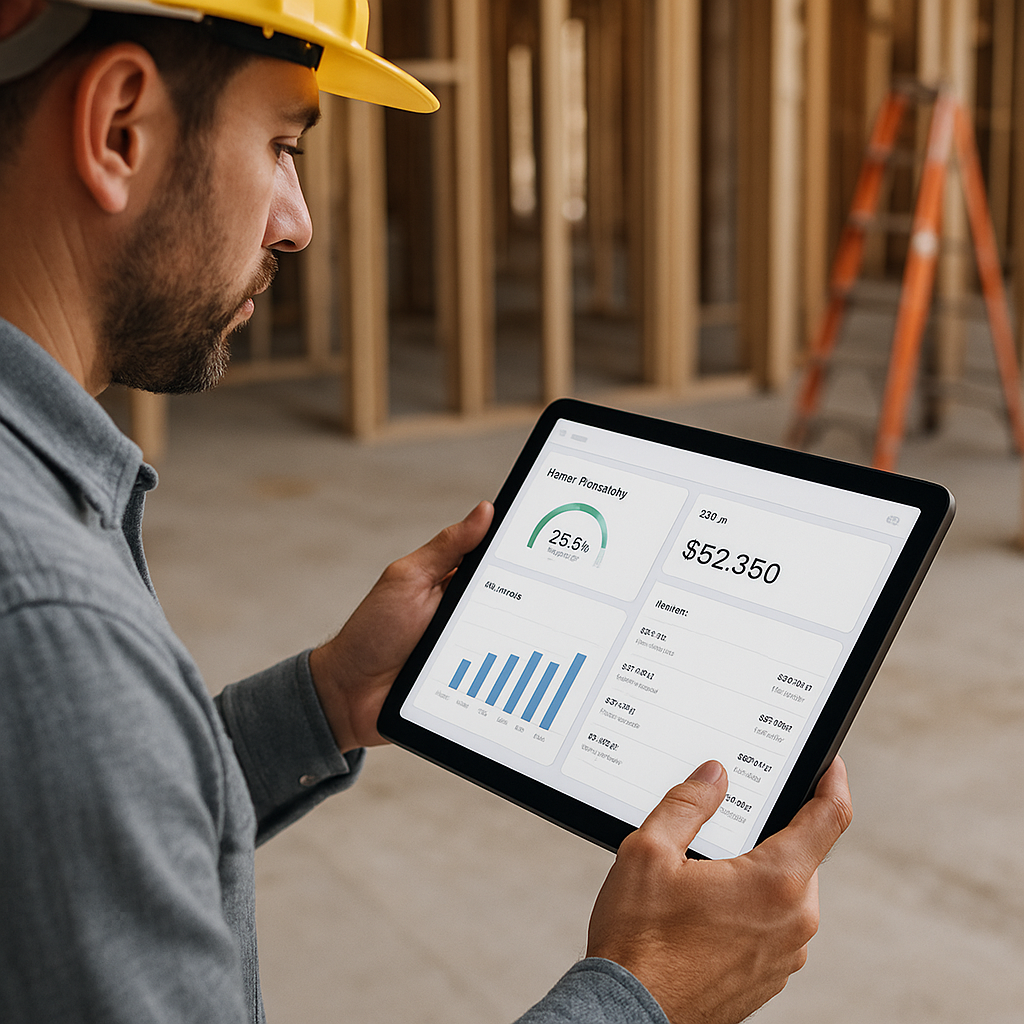
Cloud ERP systems like JobNext do all of this and more. You get real-time dashboards showing project profitability, overdue invoices, and subcontractor liabilities. Need to know which projects are bleeding cash? It’s there in seconds. Compare that to hours of manual spreadsheet wrangling.
What’s the Cost of Doing Nothing?
If you’re still on the fence about cloud ERP, consider this: What’s the cost of doing nothing? For many contractors, it's 3-5% of their annual revenue. That’s how much revenue leakage eats up, according to PwC.
Let’s say you’re a mid-size contractor doing ₹50 crore a year. That’s ₹1.5-2.5 crore gone — just because your systems aren’t catching preventable errors. Can you really afford that?
The Bottom Line
Contracting is tough. Margins are thin, competition is fierce, and mistakes are costly. But you don’t have to keep losing money on projects. A cloud ERP like JobNext isn’t just software — it’s a way to take control of your business, plug leaks, and grow profitably.
Sure, there’s an upfront effort to implement it. But the ROI? It’s real. Ask the 250+ contractors in India and the GCC who’ve already made the switch.
Ready to see what it can do for your business? Try JobNext free for 14 days. No credit card required.
Ready to see JobNext in action?
Multi-tenant SaaS ERP for construction, facilities management, and contracting — covering preconstruction, project execution, procurement, HR & payroll, equipment, finance, and 150+ analytics reports.
Get Started Free →